



How to actually keep people warm in locker rooms
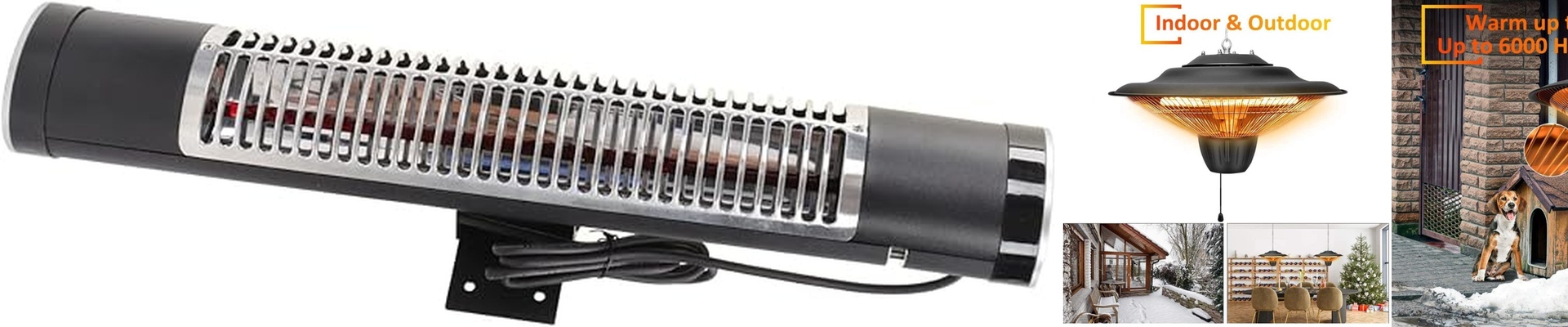
If you’ve ever stepped into a gym changing room or a spa locker area in the middle of winter, you know the feeling. It’s freezing. Even if the heat is cranking, those high ceilings and open doors mean all the warmth just floats up to the rafters, leaving you shivering while you’re trying to get dressed. Standard heaters just don’t work here. They try to heat the air, but the air just escapes. That’s why we use ceiling-mounted shortwave infrared heaters. Instead of fighting the air, these things send heat in waves directly to the person. It’s more like standing in the sun on a crisp October day. You feel the warmth instantly, even if the room around you is still chilly. The secret is in the physics Shortwave radiation doesn’t get “lost” in the air. It travels straight through until it hits something—like your skin or your clothes. This is why it feels so fast. You don’t have to wait twenty minutes for the room to reach a certain temperature. You just step under the beam and boom—you’re warm. Getting the setup right We usually go with high-wattage quartz elements. They give you that deep, penetrating heat that actually makes a difference. But you have to be careful with where you hang them. It’s a bit of a balancing act. If they’re too low, you’ll create “hotspots” where people feel like they’re being toasted. Too high, and the effect disappears. You’ve got to find that sweet spot. A few things to keep in mind Here’s the catch: these heaters pull a lot of power. If you’re putting in a row of ten 2kW units, your electrical panel needs to be ready for that initial surge when they all kick on. Also, keep in mind that these don’t heat the walls or the floors. The second you flip the switch off, the room goes back to being cold. They aren’t meant to keep the whole building warm; they’re there to make sure the person standing under them feels great. For luxury gyms or spas where guests expect a high-end experience, swapping out those clunky old forced-air systems for these is a no-brainer. It’s just a much better way to handle the cold.