Keeping Your Class 100 Cleanroom Actually Clean
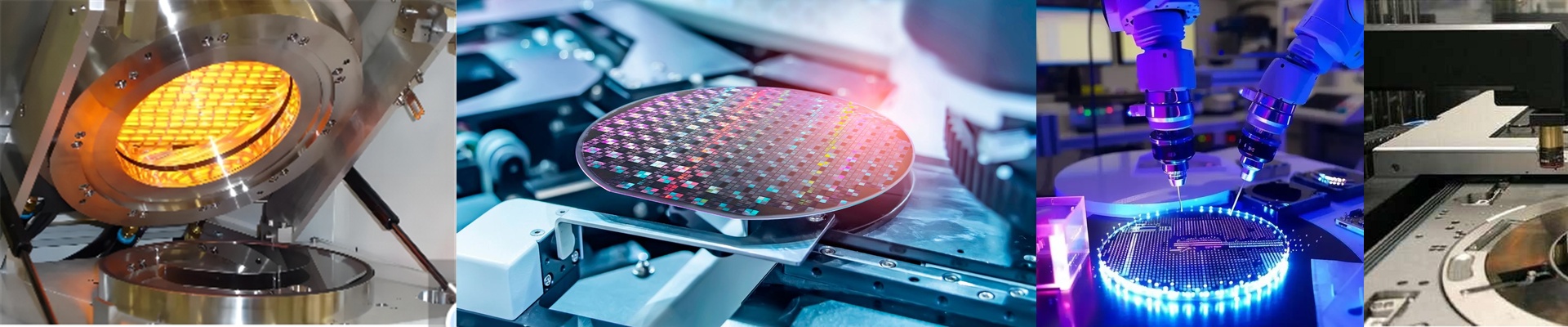
If you’re running a Class 100 environment, you know the nightmare of a single microscopic particle ruining a batch. Most standard IR lamps are a liability here. They’ve got end caps and seals that outgas or shed tiny bits of debris right where you can’t afford it. We fixed that by ditching the cheap stuff and using high-purity synthetic quartz and specialized ceramic end caps. The problem with the “standard” stuff Most emitters rely on adhesives or low-grade polymers to seal the electrodes. When things get hot—and they get really hot—those materials start to degrade. They release volatile organic compounds (VOCs) straight into your production line. Not great. We swapped those out for high-density ceramic. These can handle wild temperature swings without cracking or spitting out particulates. Plus, the quartz tubing is stripped of the impurities that usually cause that annoying “clouding” or spotting over time. It stays clear. A few things to watch out for Now, there’s a trade-off. High-purity quartz is a bit more brittle than the borosilicate you might be used to. You can’t be rough with these. If your mounting brackets are clamped too tight, the tube will snap as it expands from the heat. It needs a little room to breathe. Just give it a precise gap and you’re golden. Getting them up and running These are designed to slide right into your semiconductor or medical device curing lines. The best part? Since we use ceramic seals, you can skip the “burn-in” period. You know that phase where new lamps smoke off manufacturing residues? Forget about it. Just wire them to your controller and you’ve got clean heat instantly. Your airflow systems can finally stop fighting a losing battle against emitter dust. One last tip: keep a close eye on your power supply. Make sure the voltage is spot on. If you over-drive these filaments, you’ll kill their lifespan way faster than you should.