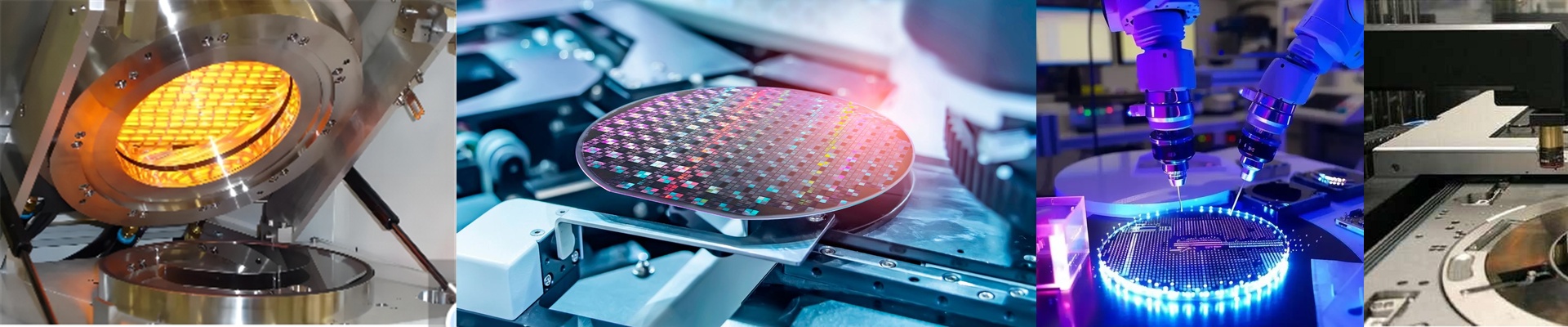
Out on the fab floor, a 0.3°C drift during photoresist bake isn’t a “small error.” It’s a yield leak, plain and simple. Soft Bake and Hard Bake temperatures set the critical dimension window, and when thermal uniformity collapses across the wafer, etch selectivity goes sideways. Upgrading the cleanroom heating isn’t cosmetic—it’s process control. We built the upgrade around NIR-driven quartz heating with closed-loop control, aiming for wafer-level uniformity within ±0.1°C. The system holds setpoint repeatability across Soft Bake and Hard Bake recipes, so photoresist flow, residual solvent, and crosslink density stay on spec. It supports Cleanroom Class 1–100 with low-particle materials and an exhaust path that keeps particle counts down during thermal cycling. Reliability here is measured in uptime: 24/7 operation with planned maintenance windows, not unplanned downtime. Why it works in practice? Tighter bake control tightens CD distribution and cuts rework. You get stable lithography and etch performance, because the process stops fighting itself. And the energy side? The heater hits temperature fast, holds it without overshoot, and drops the thermal budget per lot. That means fewer excursions, faster cycle times, and less scrap—without changing the chemistry or the stack. Here’s what to watch for on install. Match the chamber footprint, exhaust, and power interfaces, and double-check voltage and connector specs against your existing tooling. The system integrates with standard fab setups, but it does need a clean power feed to keep temperature stability where it should be. Expect a short commissioning run to tune recipe ramp rates to your photoresist stack. A few tweaks up front, then it just runs.