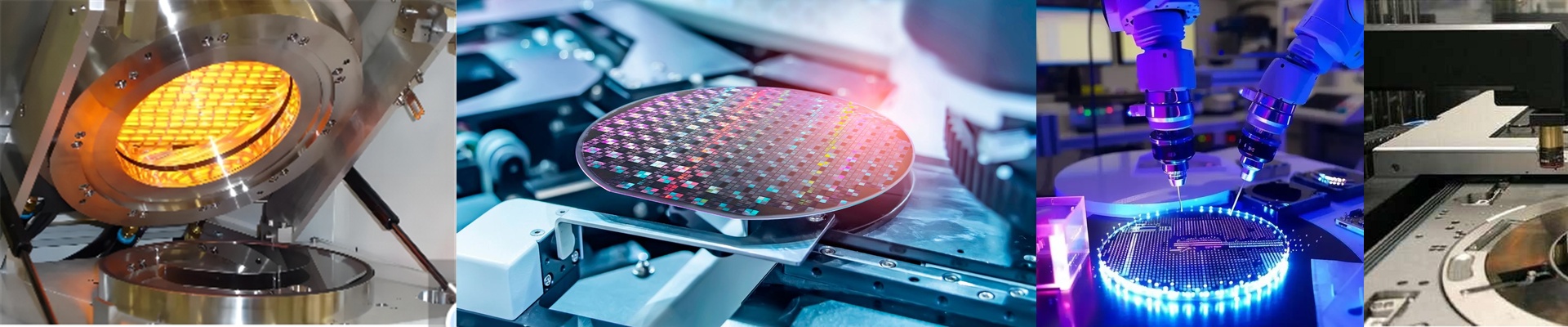

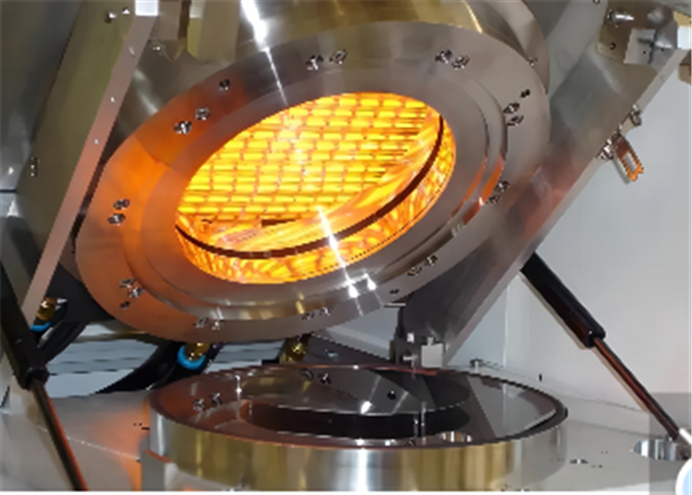
On the line, temperature isn’t a background setting. It’s a core process lever—one you can’t treat like a guess. In wafer drying, photoresist bake, package curing, and cleaning dry-down, the heating element sits at the heart of yield and repeatability. A cold spot in the hot zone, a drift during soak, or a particle spike after thermal cycling can show up as scum, residual solvent, poor critical dimension control, or a yield hit that comes back weeks later. The element has to do more than make heat. It has to deliver heat with the stability and cleanliness the fab demands. We built our high-purity quartz heating elements for that reality. They run in Class 1–100 cleanrooms, hold wafer-level thermal uniformity tight, and keep particle generation at zero.
What actually matters
High-purity quartz heating elements earn their keep by cutting out the usual failure modes—material and design, both.
- Purity and cleanroom fit: The quartz body is ultra-high purity, with low outgassing and no binders that can bake out. That keeps particle counts flat through repeated thermal cycles—exactly what lithography and wet-clean dry-down require.
- Wafer-level uniformity: The heater geometry and profile are tuned for ±0.1°C across the active area. Photoresist is sensitive to small temperature gradients, so that number isn’t just specmanship.
- Temperature precision and repeatability: Setpoint stays stable within tight tolerance, and the response is consistent run-to-run. That supports solid soft bake and hard bake profiles and cuts down CD and thickness variation.
- Fast thermal response: Quartz heats fast and cools fast. Shorter ramps mean shorter cycles without overshoot—throughput you can feel.
- Zero particle generation: The surface is polished, and the construction avoids porous materials. In practice, you don’t get particle bursts after thermal shock.
- 24/7 reliability: The element is built for continuous operation with predictable maintenance intervals. In a real fab, that translates to fewer unplanned stops and stable line balance. These aren’t abstract specs. They’re the difference between a process that drifts and one that stays in control.
Why this works where it counts
Wafer drying
After wet cleaning, the wafer has to come off clean—no marks, no residues. A uniform, gentle heat drives off solvents evenly. With tight uniformity, you avoid edge bead and water marks. The payoff is a dry, clean wafer ready for the next step, with less rework.
Photoresist bake: soft bake and hard bake
Photoresist processing is where thermal control proves its reputation. Soft bake sets the resist profile; hard bake stabilizes it for etch or plating. If the hot plate has a gradient, you get uneven thickness and variable critical dimensions. Our quartz elements hold bake temperature precisely, so the resist behaves the same wafer to wafer, lot to lot. Fast response helps here, too. You can run tight ramp-soak profiles without overshoot, protecting the resist and keeping the thermal budget in check.
Package curing
In packaging, curing stabilizes the mold compound and finishes encapsulation. The thermal profile has to be consistent across the batch to avoid warpage, voids, and reliability headaches. Quartz heating elements deliver stable heat into the cavity with repeatable soak control. That means consistent cure, predictable mechanical properties, and fewer reliability failures during qualification.
Cleaning and drying
Modern cleaning tools need rapid dry-down with minimal consumables. Quartz heating elements bring fast heat with low thermal inertia, shortening dry cycles and cutting downtime. Cleanroom compatibility keeps the environment stable, and the low particle behavior protects sensitive surfaces. Across all four, the gains are practical:
- Tighter process windowsbecause temperature is controlled where it matters.
- Lower scrap and rework because the heat profile repeats.
- Higher throughput from faster ramps and stable cycles.
- Lower operating cost from predictable maintenance and longer element life.
What to keep in mind
Installation and integration are straightforward, but a few details matter.
- Mechanical fit and mounting: Mount the element to maintain flatness and contact. Misalignment creates local hot spots and kills uniformity. We provide dimensional tolerances and mounting guidance to match your tool footprint.
- Power density and thermal load: The heater has to match the process load. If you change carriers, fixtures, or batch sizes, review the power budget. Oversizing isn’t better—it hurts control and shortens life.
- Temperature sensing placement: Even with a stable heater, control depends on putting the sensor in the right thermal path. The closer the sensor is to the work, the tighter the loop.
- Cleanroom handling: Quartz is clean, but handling still matters. Use clean gloves, avoid touching the active surface, and keep the element in a clean wrapper until install.
- Operating environment: Quartz is tough, but aggressive chemistries or mechanical impact can affect performance. If your tool runs wet-etch or aggressive clean steps near the heater, confirm chemical compatibility and shielding. If you’re running Class 1–100 environments, we can supply elements rated for those conditions, with connectors and terminations matched to your tool interfaces. The point is to drop it in, set the profile, and run. The line doesn’t wait for temperature to catch up. High-purity quartz heating elements give you control where it counts—at the wafer, at the resist, at the package. If you want fewer excursions, tighter uniformity, and uptime you can plan around, specify the element built for the fab floor.