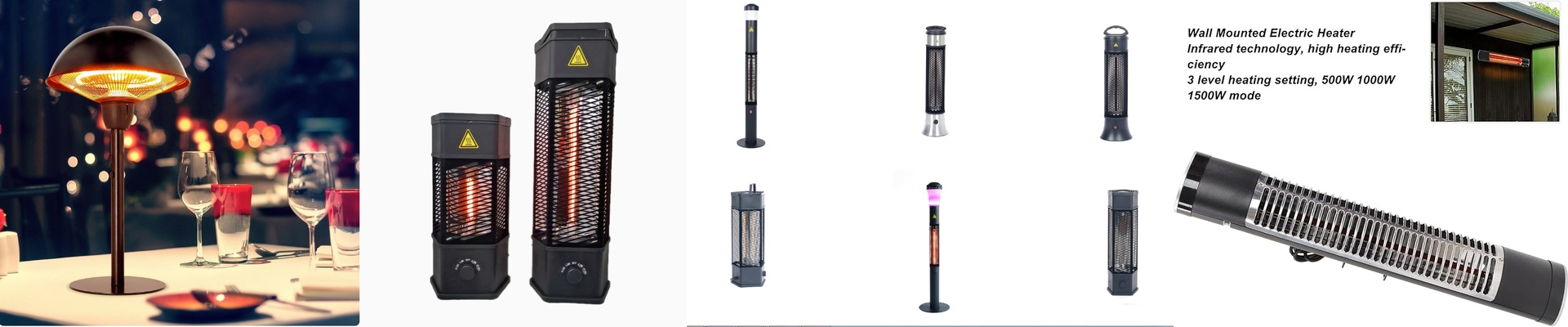

The quiet power behind our modern infrared heater
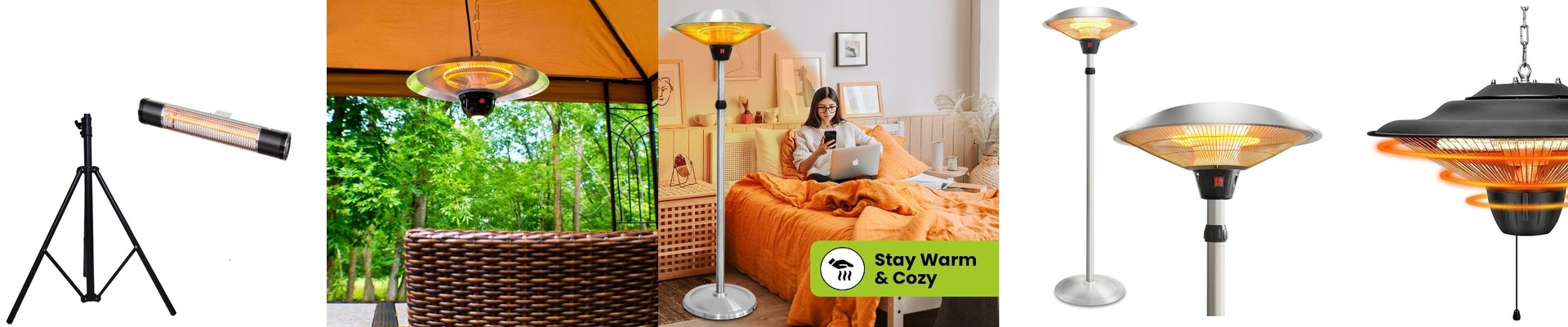
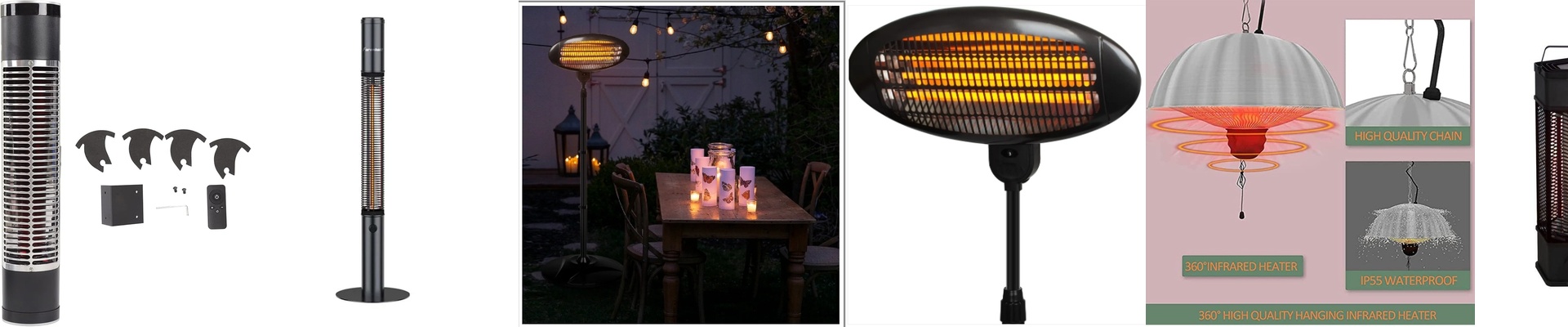
Here’s the thing: we actually went into 2,000 homes across Europe to see what people really needed. And what we kept hearing was a desire for warmth without the noise, without the blast of hot air. So we built a heater that delivers heat precisely, quietly, and directly. Forget those old-school heaters that just blast air around. This one uses focused infrared to warm up people and objects directly. No moving air. Just pure, steady warmth.
Power, voltage, and a seriously slim design
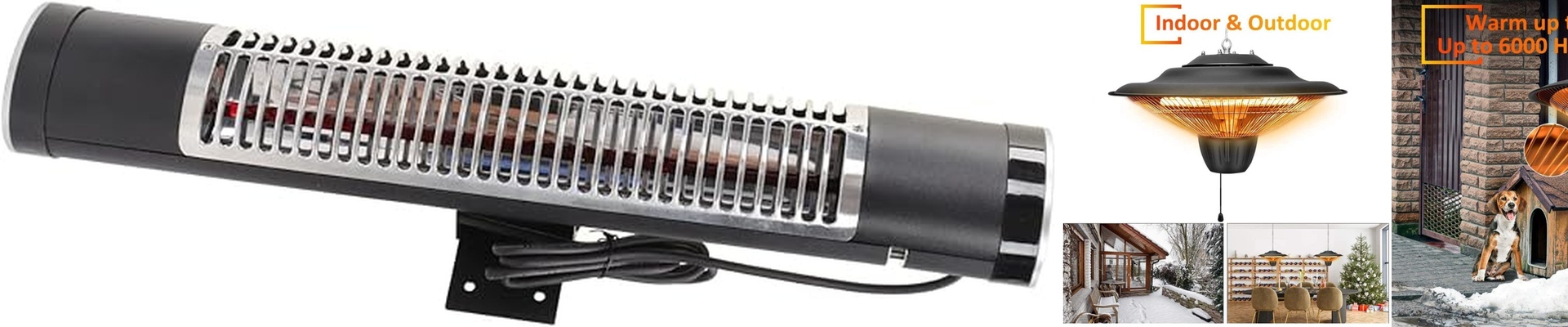
At the heart of this heater is a specific kind of power density. We designed it to pack a serious punch in a small package. The voltage and wattage are tuned for instant response—you get heat the moment you need it, not after the whole room slowly warms up. And the size? It’s intentionally slim. A shorter tube concentrates the heat into a tighter area, which is perfect when you want to warm a specific spot. That also means you can slip it into spaces where bulky heaters just won’t fit.
What’s inside: halogen, quartz, and a clever coating
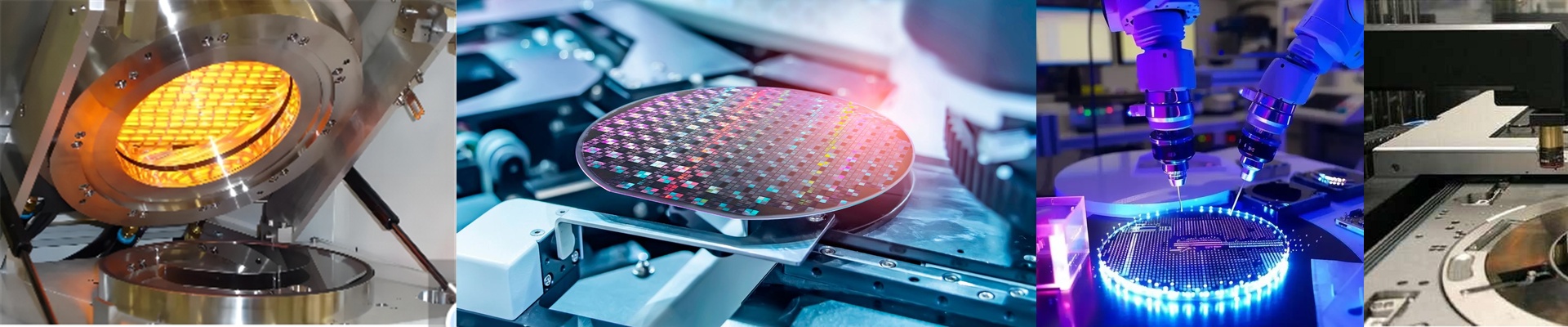
Inside, we use a halogen element wrapped in a quartz envelope. This combo keeps the filament stable even at extreme temperatures, which translates to a long life. No fuss, just reliability. The tube also has a special coating. Its job? To shape the light spectrum so you get pure infrared heat. That means no harsh glare. Just warmth. Then there’s the R7s connector. It’s practical, sturdy, and handles high current without overheating. Installation is simple—wire it up, and it just works. Plus, it holds the tube firmly, so there’s no vibration that could wear things down over time.
Built for real spaces, real people
This heater was made for folks who want serious warmth without the noise of a fan. Because there are no moving parts, it runs silent. The heat is directional, so you’re not wasting energy warming empty corners. Now, it’s important to know what this heater is—and what it isn’t. It’s a focused heat source, not a whole-room solution. It shines in drafty workshops, quiet living rooms, and places where forced-air systems just can’t keep up. It puts out a lot of heat in a concentrated way, so your space needs good ventilation to handle the temperature rise. But that’s also what makes it so dependable. It’s direct, tough, and ready to work, day after day.