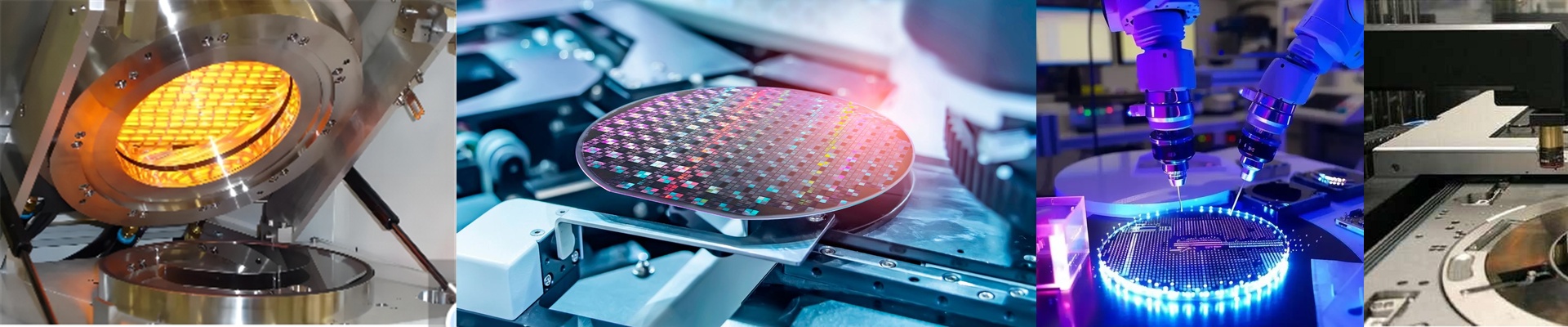
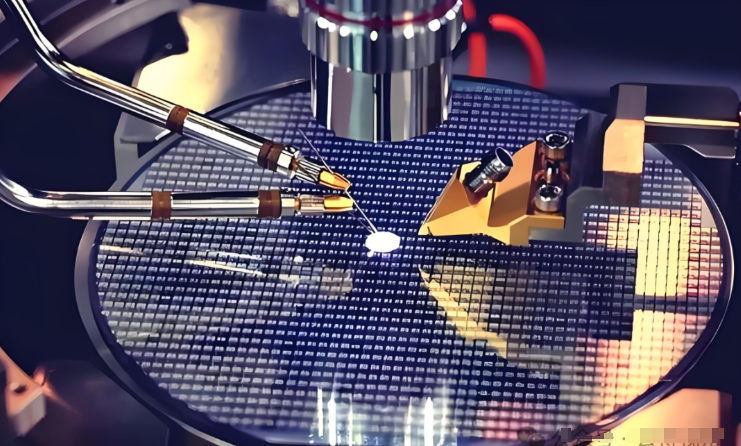
On the fab floor, you know how quickly things can go sideways. A 1°C drift in photoresist soft bake will move your CDs. A non-uniform dry? That’s how you get water marks that eat into yield. We built the wafer surface tension measurement heater to stop those losses where they start. What matters, technically We use short-wave infrared for rapid, contactless thermal transfer that hits the wafer and photoresist directly. Uniformity across the wafer stays within ±0.1°C, and setpoint repeatability holds at ±0.2°C. The response is under 2 seconds, so the ramp tracks the recipe cleanly—no overshoot. It runs in Class 1–100 cleanrooms, with low outgassing materials and a design that keeps particles off the wafer. Zero particle generation is verified at ≤0.01 particles/cm². In the field, it runs 24/7 with zero unplanned downtime, and it keeps tight control across soft bake, hard bake, and curing. Why it works in practice For wafer drying, the NIR profile knocks out edge beads and surface tension gradients without leaving residues. In lithography, soft bake temperature precision stabilizes photoresist viscosity and thickness, so linewidth control improves and defects drop. Hard bake and curing deliver consistent crosslinking, which cuts scum and boosts adhesion. The payoff is higher first-pass yield, fewer rework lots, and a stable thermal budget that shortens cycle time. Energy use falls too, because the heater cycles on demand instead of holding a big, always-hot zone. What you need to know up front Installation needs a dedicated 24 VDC supply and cleanroom-rated wiring. Retrofits may require minor mechanical clearance tweaks depending on the track or coater you’re running. Recipe transfer is straightforward, but plan on multi-point thermocouple mapping up front to correlate with the heater’s closed-loop control. Commissioning is short—typically under one day—to lock in setpoints and alarm thresholds.