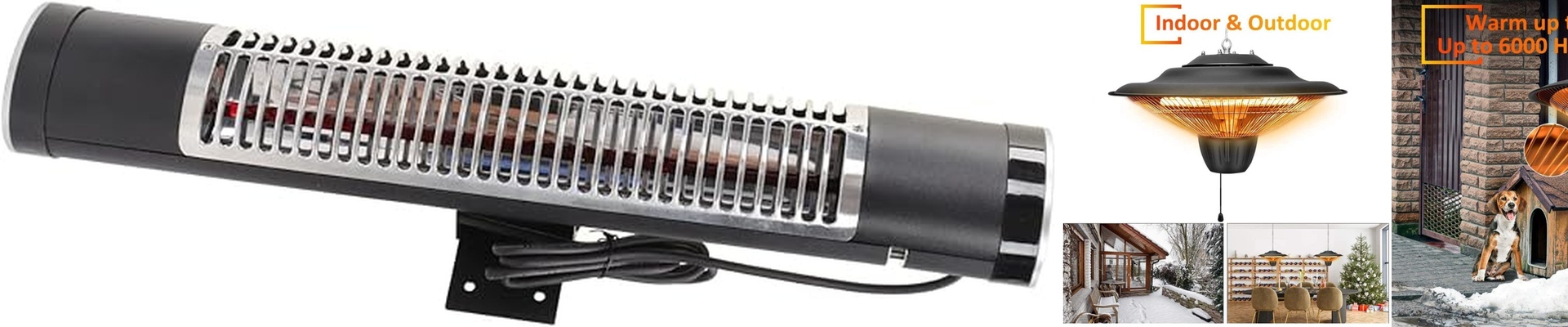
Come winter, property teams are under the gun: keep common areas comfortable, keep energy spend in check, and still hit sustainability goals. The problem? When forced-air systems run and run, they dump heat up into empty ceilings. The bills climb, and ESG progress stalls.
High-efficiency infrared space heaters break that cycle. They put warmth where it matters—on people and surfaces—instead of wasting energy heating the air.
Here’s the technical part that matters.
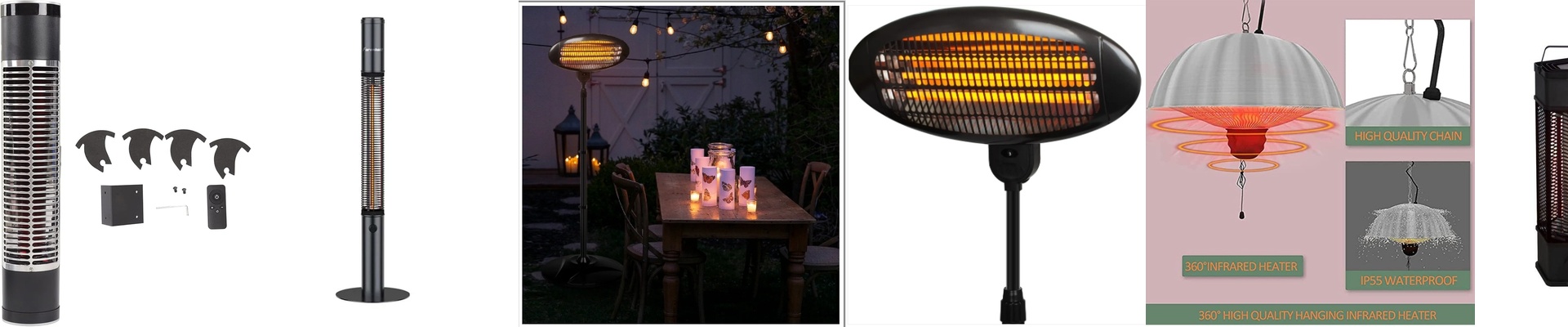
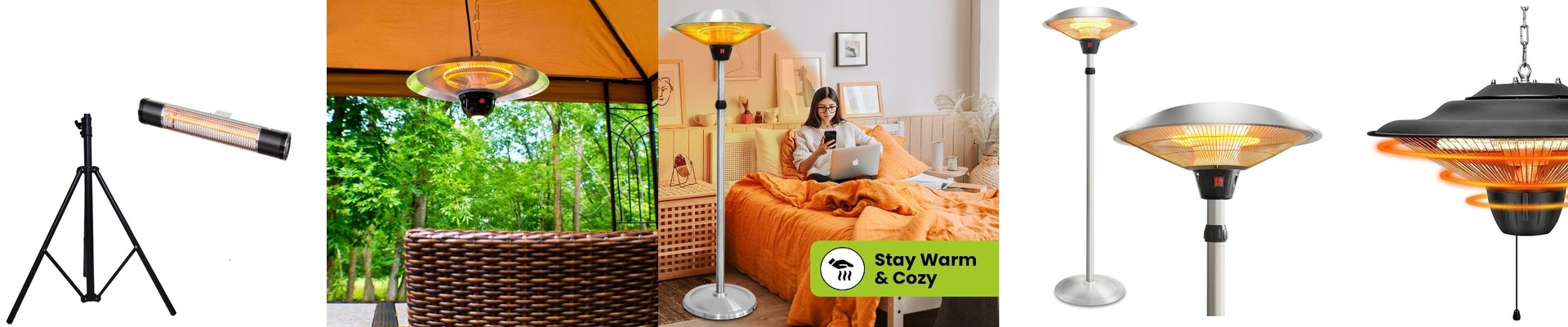
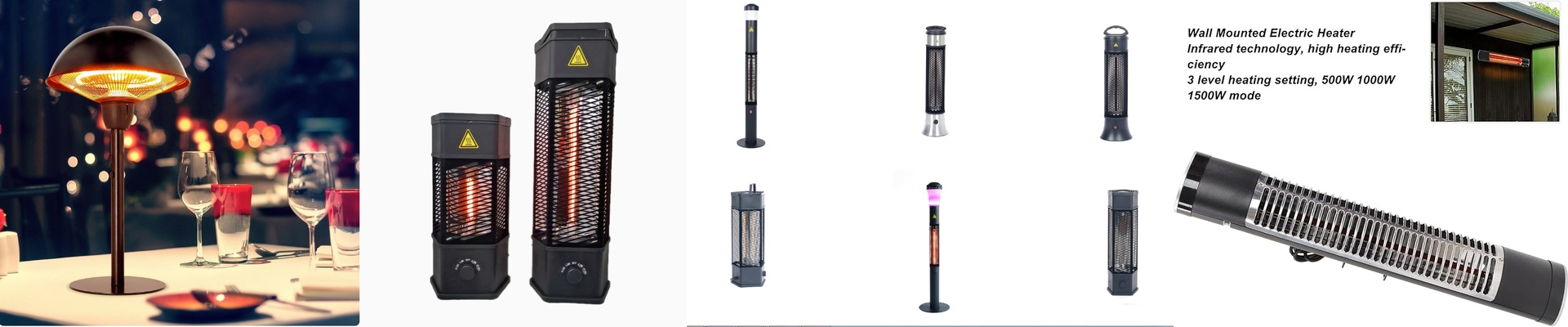
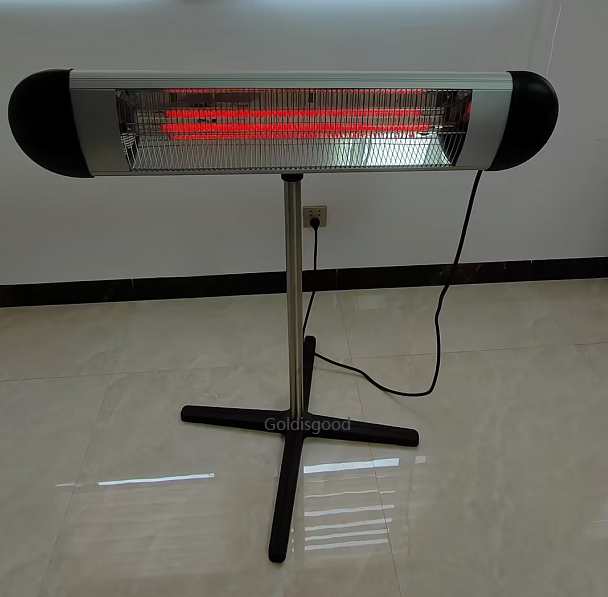
Infrared warmth works like sunlight: it transfers energy directly to objects and skin, so people feel comfortable at lower air temperatures. We build our living room heaters around carbon fiber elements. They come up to temperature fast and run at low current, pulling only the power needed to hold comfort.
The output is targeted radiant heat, not a blast of hot air. In practice, that means faster recovery after doors open, fewer temperature swings, and less wasted energy climbing toward the roof.
Why this works in commercial real estate goes beyond the meter.
Efficiency here is about asset performance. Infrared heating cuts overall energy draw, which helps lower a building’s carbon footprint and supports stronger ESG ratings. Because the heat is directional, lobbies, corridors, and multi-use lounges stay comfortable even when drafts and high ceilings force forced-air systems into overtime.
Less cycling. Fewer drafts. More consistent comfort. That can translate into fewer service calls and less equipment wear, which protects operating costs over time.
A few practical notes from the field.
Infrared heaters are meant to complement your HVAC, not replace it. They perform best when placed where people actually gather, with clear line-of-sight and proper clearance from furnishings.
Expect to plan for clean wiring and solid control integration. Most models play nicely with standard thermostats, and some offer IP-rated protection for more exposed spots.
One real-world detail: radiant comfort feels warmer at lower air temperatures, so occupants often prefer the thermostat set a few degrees lower than usual. Layout with that in mind, and you get comfort, control, and savings that show up on the bill.
เมื่อเข้าสู่ฤดูหนาว ทีมงานดูแลอาคารมีภารกิจสำคัญ: รักษาความสบายในพื้นที่ส่วนกลาง ควบคุมการใช้พลังงานให้อยู่ในเกณฑ์ และยังต้องบรรลุเป้าหมายด้านความยั่งยืน ปัญหาคือ เมื่อระบบลมบังคับทำงานต่อเนื่อง ความร้อนจะถูกปล่อยขึ้นไปยังฝ้าเพดานที่ว่างเปล่า ส่งผลให้ค่าไฟเพิ่มขึ้น และความก้าวหน้าในด้าน ESG ชะงักงัน
เครื่องทำความร้อนแบบอินฟราเรดที่มีประสิทธิภาพสูงจะช่วยยุติวัฏจักรนี้ได้ ด้วยการส่งความร้อนไปยังจุดที่จำเป็น คือ บุคคลและพื้นผิว แทนที่จะเปลืองพลังงานในการทำความร้อนของอากาศ
ส่วนสำคัญทางเทคนิคคือ
ความร้อนอินฟราเรดทำงานคล้ายแสงแดด โดยส่งถ่ายพลังงานไปยังวัตถุและผิวหนังโดยตรง ทำให้คนรู้สึกสบายแม้อุณหภูมิอากาศจะต่ำกว่า เราผลิตเครื่องทำความร้อนสำหรับห้องนั่งเล่นโดยใช้ชิ้นส่วนคาร์บอนไฟเบอร์ ซึ่งทำความร้อนได้รวดเร็วและใช้กระแสไฟต่ำ ดึงพลังงานเฉพาะที่จำเป็นเพื่อรักษาความสบายเท่านั้น
ผลลัพธ์คือความร้อนแบบรังสีที่มีทิศทาง ไม่ใช่ลมร้อนพุ่งตรง กล่าวโดยปฏิบัติหมายความว่าหลังจากเปิดประตูเครื่องจะฟื้นสภาพอุณหภูมิได้รวดเร็วขึ้น การแกว่งของอุณหภูมิลดลง และพลังงานสูญเสียจากการลอยตัวขึ้นสู่หลังคาลดน้อยลง
เหตุผลที่วิธีนี้ได้ผลในอสังหาริมทรัพย์เชิงพาณิชย์ไปไกลกว่าการวัดค่าไฟฟ้า
ประสิทธิภาพในที่นี้หมายถึงประสิทธิภาพของสินทรัพย์ ระบบทำความร้อนอินฟราเรดช่วยลดการใช้พลังงานโดยรวม ซึ่งช่วยลดรอยเท้าคาร์บอนของอาคาร และสนับสนุนคะแนน ESG ให้สูงขึ้น ด้วยความที่ความร้อนมีทิศทาง พื้นที่ล็อบบี้ ทางเดิน และเลานจ์ที่ใช้งานหลากหลาย จึงยังคงความสบายแม้ว่าจะมีลมแอร์ไหลผ่านและเพดานสูงทำให้ระบบลมบังคับต้องทำงานหนักขึ้น
ลดการเปิดปิดเครื่องบ่อย ลดลมไหลผ่านที่ไม่จำเป็น รักษาความสบายอย่างสม่ำเสมอ ซึ่งจะส่งผลให้ลดความถี่ของการซ่อมบำรุงและการสึกหรอของอุปกรณ์ ช่วยควบคุมต้นทุนการดำเนินงานในระยะยาว
ข้อควรพิจารณาเชิงปฏิบัติจากภาคสนาม
เครื่องทำความร้อนอินฟราเรดถูกออกแบบมาเพื่อเสริม HVAC ไม่ใช่เพื่อทดแทน ควรวางในตำแหน่งที่ผู้คนรวมตัวจริง โดยมีเส้นสายตาชัดเจนและเว้นระยะจากเฟอร์นิเจอร์อย่างเหมาะสม
ควรวางแผนการเดินสายไฟและการเชื่อมต่อการควบคุมให้เรียบร้อย รุ่นส่วนใหญ่รองรับการทำงานร่วมกับเทอร์โมสแตนด์มาตรฐาน และบางรุ่นมีมาตรฐาน IP เพื่อความปลอดภัยในตำแหน่งที่เปิดเผยมากขึ้น
รายละเอียดในทางปฏิบัติที่พบได้จริงคือ ความสบายจากรังสีจะรู้สึกอบอุ่นที่อุณหภูมิอากาศต่ำกว่า ผู้ใช้งานมักจะตั้งเทอร์โมสแตทที่อุณหภูมิต่ำกว่าปกติประมาณไม่กี่องศา วางผังพื้นที่โดยคำนึงถึงจุดนี้จะทำให้ได้ทั้งความสบาย การควบคุม และประหยัดค่าใช้จ่ายที่สะท้อนในบิลค่าไฟ