


Getting the Heat Right in Bio-Sensor Fabrication
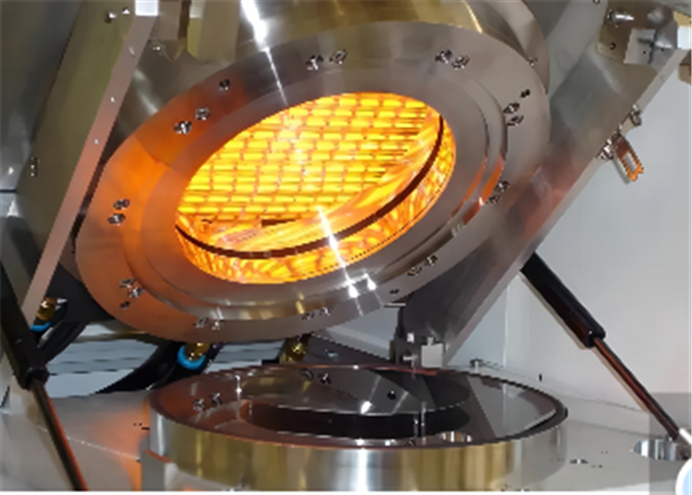
Making bio-sensors is a delicate game. You need just the right amount of heat to cure your polymers and keep those sensitive chemical layers from falling apart. If you’re building a modern Fab, you can’t rely on “close enough.” You need a heat source that actually listens to your PLC and reacts in milliseconds. That’s why we lean on high-density infrared (IR) lamps. Instead of wasting time heating up a whole chamber—which is slow and clunky—these lamps blast radiant heat exactly where it needs to go.
The Trick to Rapid Heating
Here’s the thing: bio-sensor substrates don’t hold much heat. If you aren’t careful, you’ll overshoot your target temperature and ruin the batch. We handle this by playing with wavelengths. By switching between short-wave and medium-wave IR, we can target the specific absorption spectrum of whatever bio-material you’re using. It’s the best way to make sure the surface is fully cured without warping the substrate. It just works.
Ditching the Guesswork
A “smart” Fab is really just a fancy way of saying you have a solid feedback loop. We don’t just plug in a lamp and hope for the best. We pair the IR systems with closed-loop PID controllers and pyrometers. You get a live read on the surface temperature, and that data tells the power supply to tweak the wattage on the fly. It’s a far cry from the old days of oven curing, where you basically just crossed your fingers and prayed.
The Reality of the Trade-offs
Now, high-wattage IR lamps are great because they pack a ton of heat into a tiny space. Your ramp-up times are incredibly fast. But there’s a catch. All that heat puts a lot of stress on your wiring and the lamp housing. If you try to shave a few seconds off your cycle by cranking the wattage too high, you’re going to burn out your filaments way sooner than you’d like. It’s a balancing act. You have to weigh your production speed against how often you want to replace your lamps. And for heaven’s sake, make sure your ventilation is dialed in, or you’ll end up cooking your control electronics. If you’re still running legacy heaters, we’ve designed these systems to be drop-in replacements. You can move toward a digital line without having to tear apart your entire chassis and start from scratch.