

Why We Use IR Curing for Bio-Sensors
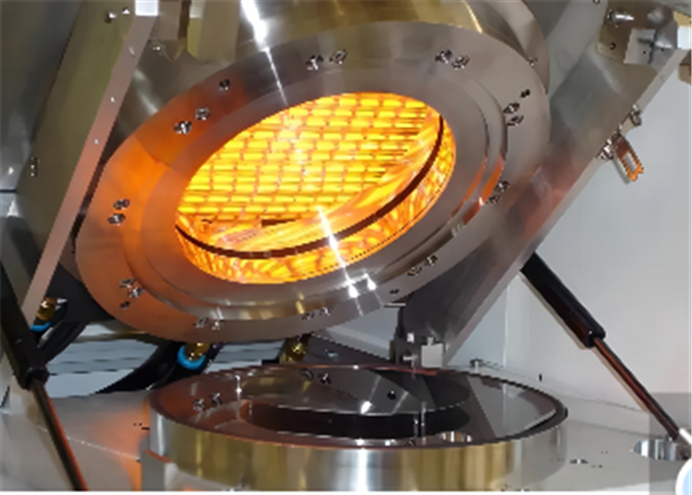
When you’re building bio-sensors, you’re walking a tightrope. You need enough heat to cure your adhesives and polymers, but if you go overboard, you’ll fry the biological reagents. It’s a delicate balance. That’s why we stick with infrared (IR) lamps. They let us skip the messy solvent heating and those clunky, gas-fired ovens. The secret is in how the heat moves. Most ovens just warm up the air, which then warms up the part. It’s slow and wasteful. IR is different. It beams energy directly into the substrate. We basically aim for the specific absorption bands of the curing agent. Since you’re only heating the part and not the entire room, you stop wasting energy. It’s just… smarter. Going green without the headache The industry is ditching lead-based solders and nasty VOCs, and IR makes that transition a lot easier. Lead-free alloys are finicky. If they sit in a hot oven for too long, they start to degrade. But with IR, you hit your target temperature fast and get out. You spend less time under heat, which keeps the materials stable and the process clean. The catch (because there’s always one) Now, high-intensity IR lamps pack a serious punch. That’s great for getting things done quickly, but it can put a lot of stress on your cooling system. If your airflow isn’t dialed in, you’ll end up with “hot spots” where you don’t want them. To keep things from spiraling, we use PID controllers. They act like a thermostat on steroids to make sure the temperature doesn’t overshoot. What this actually means for your floor Switching to IR clears out a lot of junk. You can get rid of the fuel lines and the massive ventilation systems needed for combustion gases. It’s all electric. You plug it in, set your wavelength, and you get a consistent cure every single time. Plus, it frees up a ton of space in the cleanroom. It’s a simpler way to work that just happens to check all the “green” boxes your bosses are probably asking about.