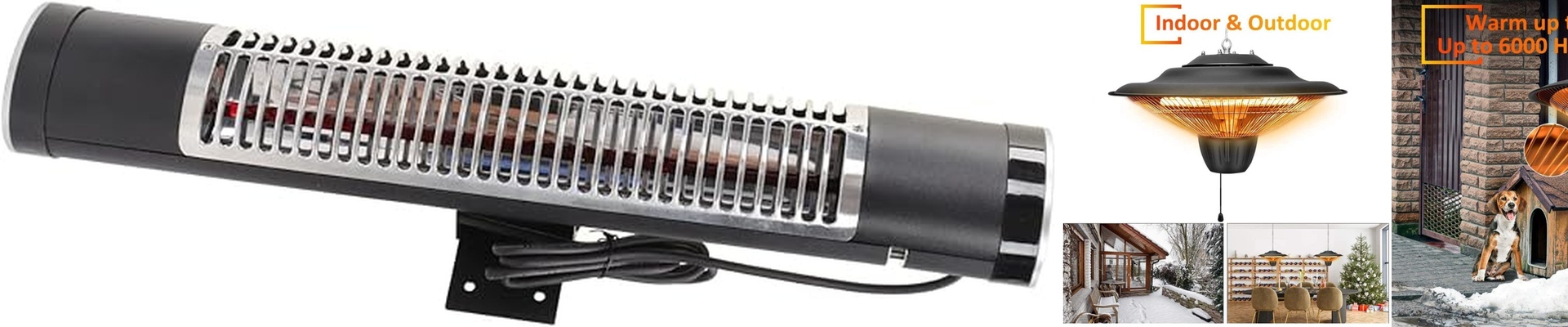
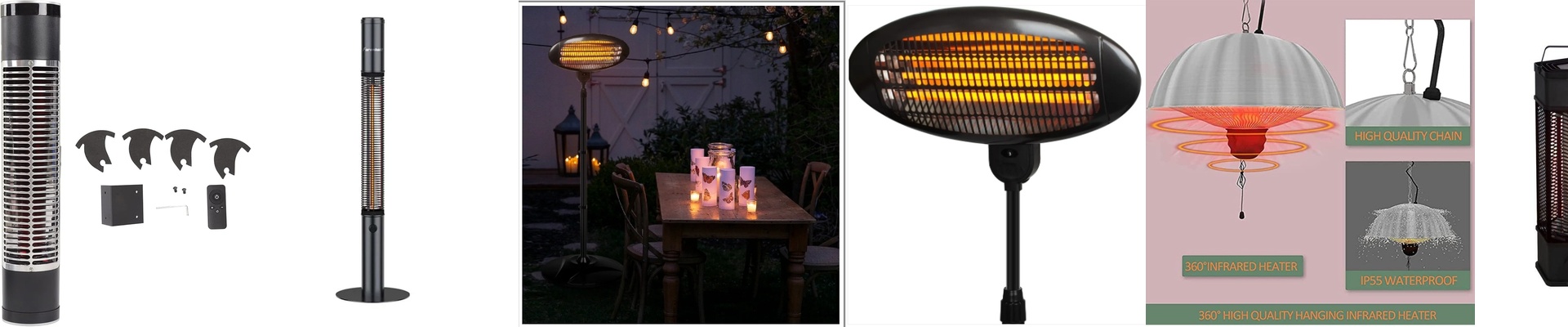
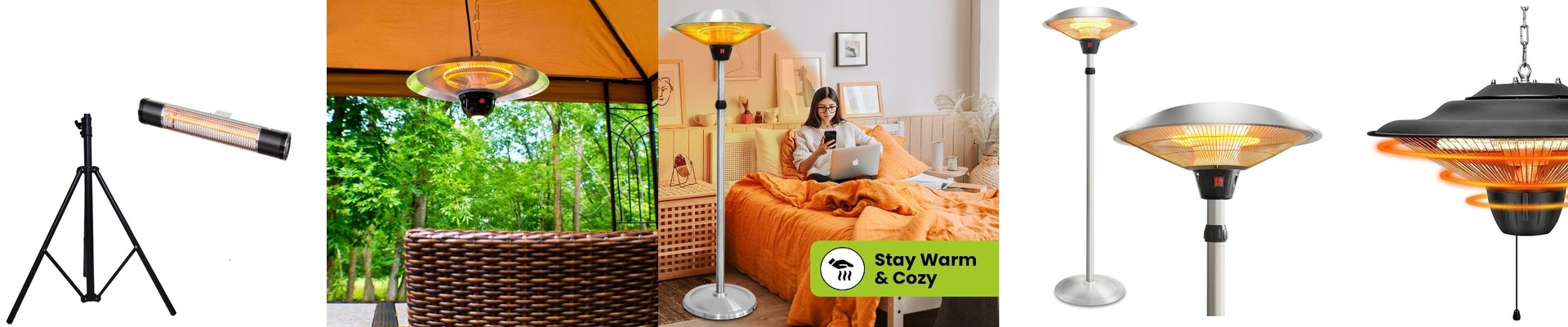
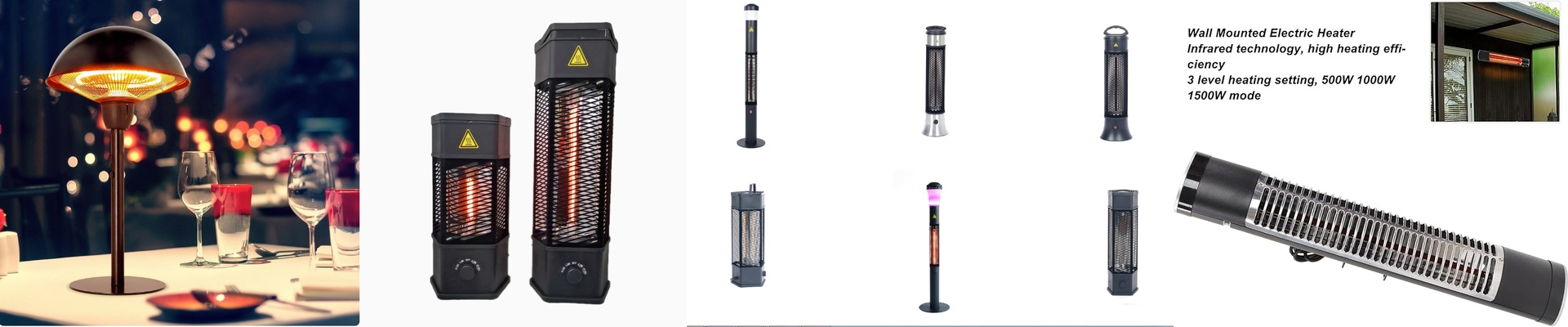
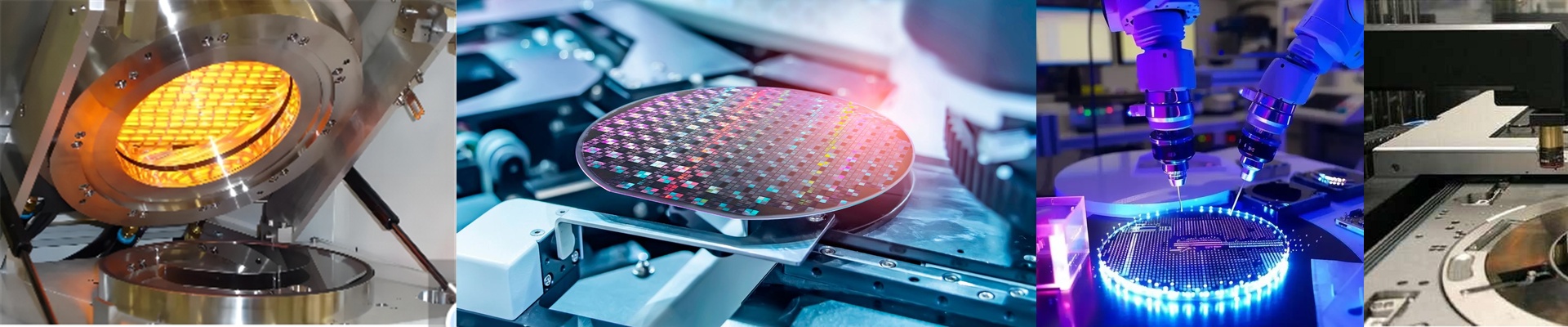
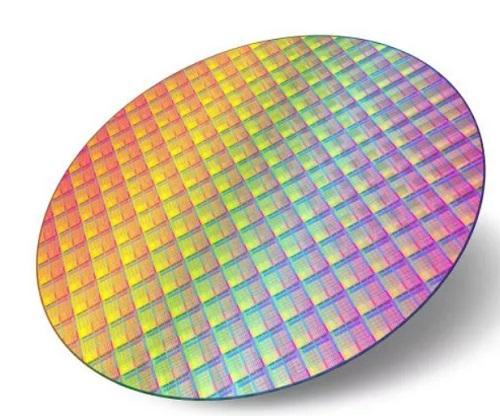
On the fab floor, a 0.5°C drift in bake temperature is enough to shift critical dimensions by nanometers and take yield off the spec line. Soft bake and hard bake aren’t just “heating steps.” They set the thermal budget for the entire lithography stack. What matters under the hood We run gold-coated infrared lamps that put out near-monochromatic NIR, heating the wafer directly with minimal stress on the substrate. The gold reflector holds high spectral reflectivity and stable emissivity across the operating band, so wafer-level uniformity stays within ±0.1°C. We tune the envelope, filament geometry, and thermal response so the lamp hits setpoint in seconds and holds it with tight repeatability. The profile stays deterministic—it tracks the recipe, not what the room is doing that day. Why it holds up in production In Class 1–100 cleanrooms, particle generation will kill your process. The gold coating and sealed construction keep outgassing and flaking under control, supporting low-particle operation. Fast ramp-up shortens cycle time, and stable temperature control cuts photoresist skin effects and residual solvent variance. You get consistent line widths, fewer rework lots, and predictable energy draw. We’ve seen units run 5,000+ hours with less than 5% output drop—fewer replacements and less unplanned downtime. What you need to get right on install These lamps are drop-in equivalents to international semiconductor equipment standards, but integration tolerances still matter. Verify mounting clearance, power bus compatibility, and interlock wiring. For best uniformity, match the lamp to the reflector cavity and make sure the temperature feedback point lines up with your process sensor. And plan for controlled cool-down—protect the coating and keep long-term stability where it needs to be.