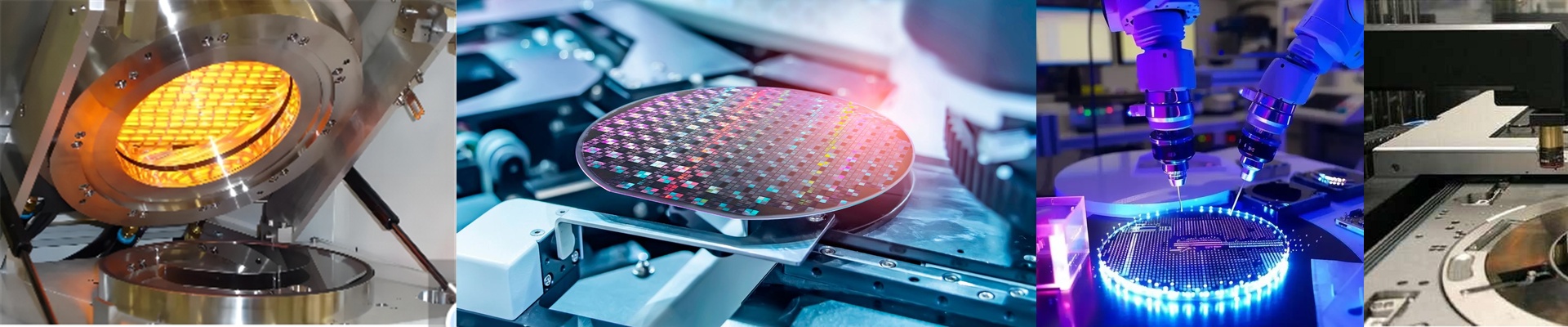
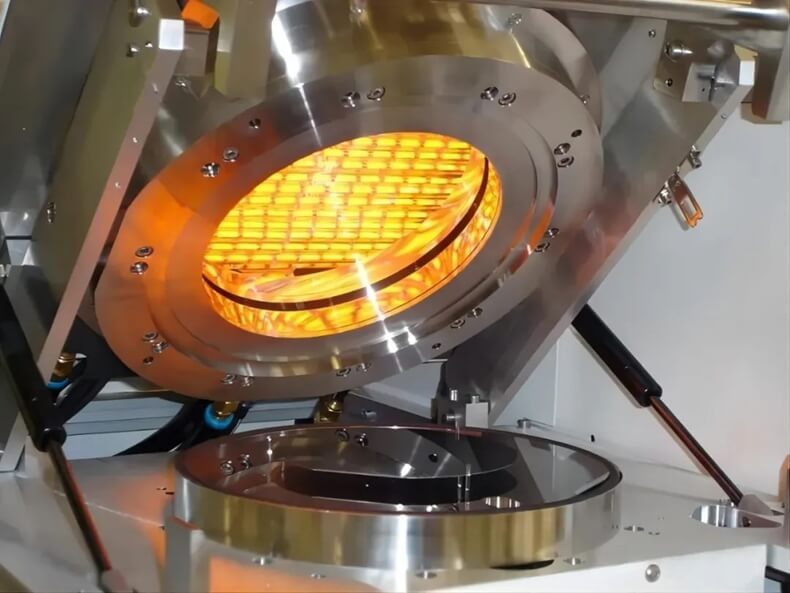
On the fab floor, the wafer comes out of the final rinse—and the clock starts. If the drying heater can’t keep up, you get moisture trapped under the photoresist, and it shows up hours later as defects in lithography. We built our MEMS wafer drying heaters to cut that risk out at the source: steady heat, cycle after cycle, without hiccups.
What matters under the hood
We run short-wave infrared emitters tuned to the absorption profile of water and the common solvents, so the surface heats fast and direct. Temperature uniformity across the wafer stays within ±0.1°C, which protects photoresist critical dimension control during soft bake and hard bake. The heater body is quartz and stainless, built for cleanroom Class 1–100 operation with zero particle generation. The point is repeatability under control: setpoints hold, ramps repeat, and the thermal budget per batch stays within spec.
Why it holds up in MEMS
MEMS runs 24/7, and yield hinges on consistent drying before coating and exposure. Our heaters are rated for continuous operation, with a service life measured in tens of thousands of hours, and they deliver reliability without unplanned downtime. You get tighter photoresist bake temperature precision, edge bead control that behaves predictably, and stronger wafer-to-wafer repeatability. Energy stays in check too, thanks to fast ramp-to-settle and low standby losses—so throughput goes up without blowing the utility bill.
The practical details you can’t skip
These heaters integrate cleanly, but they need matched power connections and a stable cooling path—water or forced air, depending on the duty cycle. Check the chamber interface and the thermal mass of your carrier; if the fixture doesn’t match, the thermal profile drifts. And plan your preventive maintenance windows. Keep emitter output stable and sensor calibration traceable. That’s how you keep zero unplanned downtime as a daily reality, not a wish.