Stop Wasting Your Heat: The Case for Aluminum Reflectors
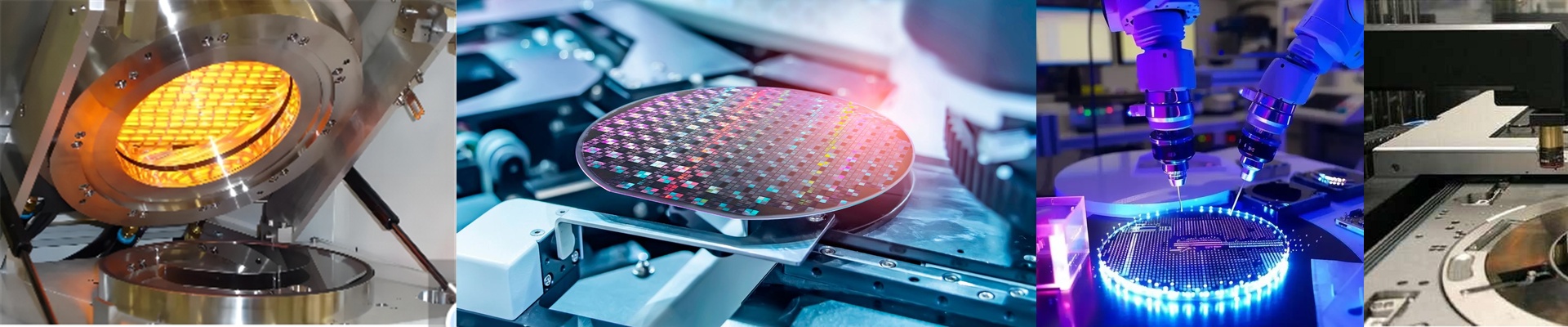
Here is the problem with IR lamps: they’re messy. They throw heat in every single direction, like a lightbulb that doesn’t know where to point. In a semiconductor setup, that’s a nightmare. If you aren’t steering that energy, a huge chunk of it just slams into your equipment walls. You end up with chassis that are hot to the touch—which is a great way to burn a technician or fry a sensitive internal part. How we fix it We use high-purity aluminum reflectors to get that heat under control. Think of it as a mirror for heat. By curving the aluminum into a parabolic or elliptical shape, you stop the “spray” and turn it into a concentrated beam. It’s a simple shift, but it changes everything. Instead of the machine housing soaking up the energy, the heat goes exactly where it belongs: onto the workpiece. It’s all about the focal length. Get that right, and you’ve got a high-intensity hit on your target and a cool, safe machine wall. The catch (and how to handle it) Aluminum is the go-to because it’s affordable and handles heat well. But it isn’t invincible. Oxidation is the enemy here. Over time, the surface can degrade. When that happens, your reflectivity drops. Suddenly, more heat is leaking into your walls and less is hitting your part. Keep an eye out for pitting or weird discoloration. If it looks dull, it’s probably not working. Keeping the shop floor safe Using a reflector basically kills the “stray heat.” Your equipment stops feeling like an oven, and your technicians can actually work around the machine without worrying about a nasty burn. Just a heads-up: when you concentrate a beam, it getsintense. Really intense. Make sure you calibrate your lamp distance carefully. If you’re too close, you aren’t just heating the substrate—you’re scorching it.