Keeping Your Wafers Clean: The Truth About IR Lamp Failures
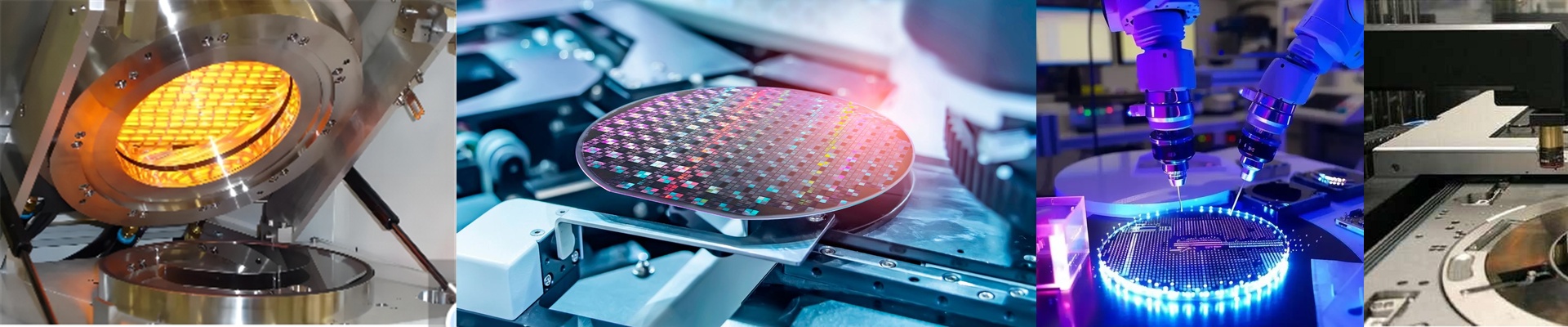
In a high-volume fab, a lamp blowing out is more than just a headache. It’s a nightmare. If an Infrared tube pops right over a silicon wafer, you aren’t just dealing with downtime. You’re dealing with glass shards and chemical gunk raining down on your product. That’s secondary contamination, and it’s a disaster. We built our gold-reflector IR lamps specifically to stop that from happening. Why the gold actually matters Most people use aluminum reflectors, but those soak up too much energy. We went with a high-purity gold coating instead. Here’s why that helps: it pushes the IR radiation forward with way more efficiency. Because the heat density is higher, you can run the lamps at a lower internal temperature and still get the same thermal result. It’s a win-win. The quartz envelope doesn’t get stressed out, which means it’s much less likely to bow or crack when you’re cycling it hard. Stopping the “Pop” We use heavy-wall fused quartz to handle the shock of rapid power cycling. But we didn’t stop there. We added a protective containment shell. Think of it as a safety net. If the inner bulb fails, the shell catches all the debris. No glass dust on your wafers. Period. Then there are the end-caps. If a seal leaks, oxygen sneaks into the halogen cycle. That leads to “blacking” and, eventually, the tube ruptures. To prevent that, we vacuum-test every single seal to make sure the halogen gas stays exactly where it belongs. A quick word of caution High-wattage lamps get incredibly hot. Since the gold reflector concentrates all that thermal energy into a small space, you’ve got to keep an eye on your cooling manifolds. If your airflow slips, the heat builds up at the sockets and starts eating away at the wiring. That leads to arcing, and nobody wants that. Keep your cooling steady, and these lamps will last a long time.