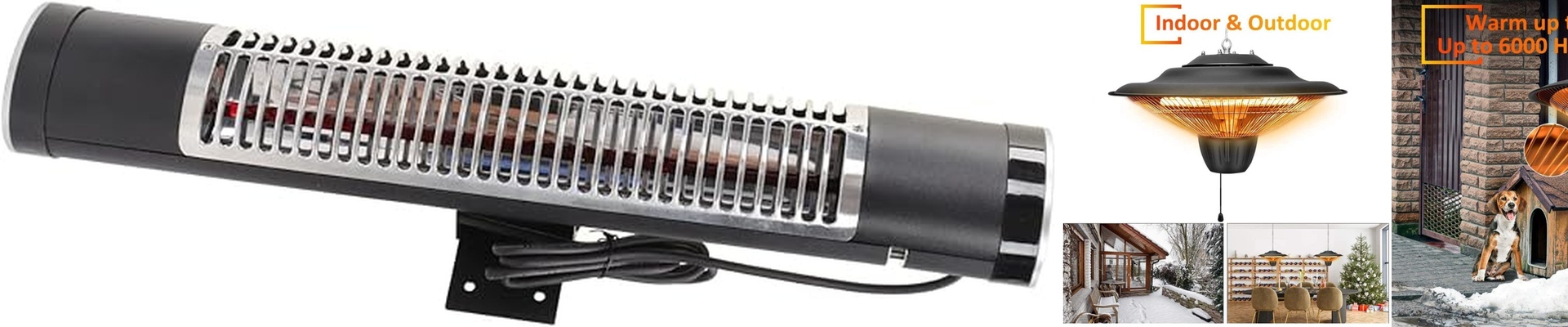
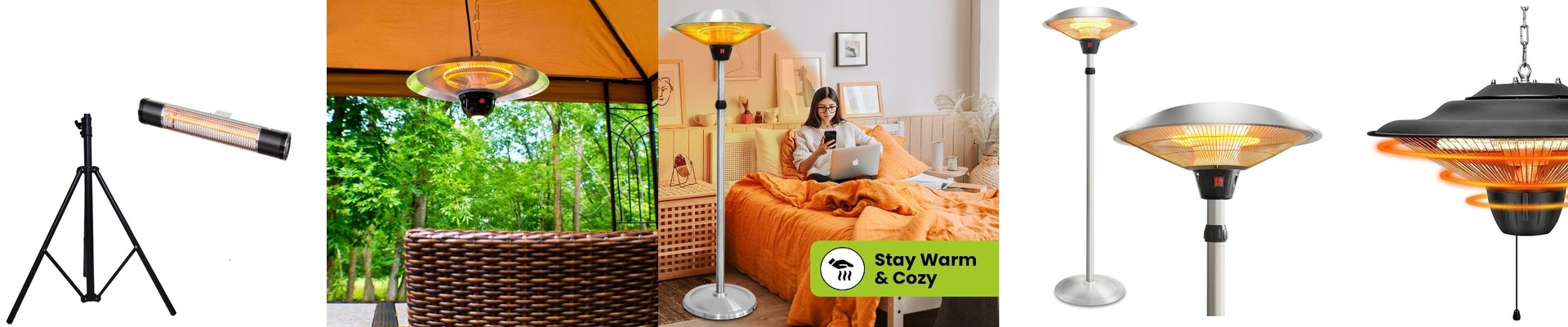
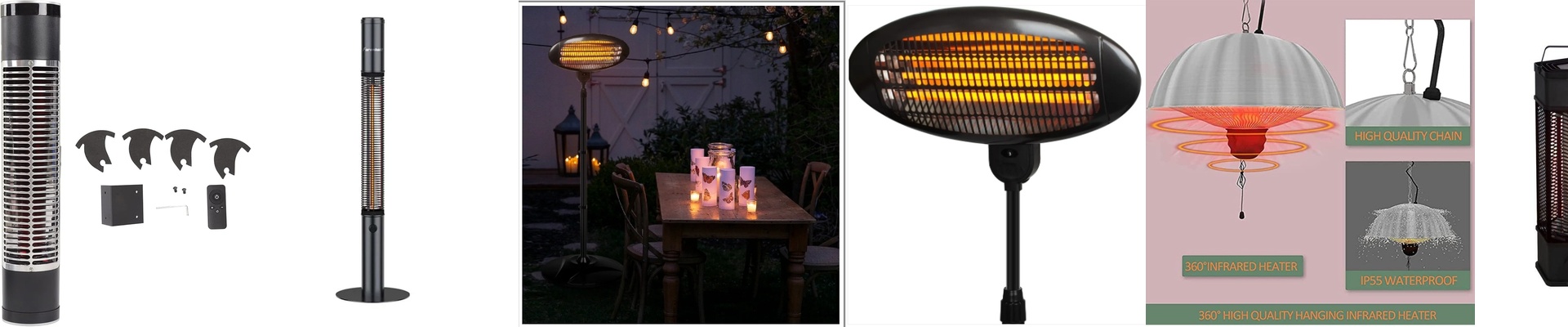

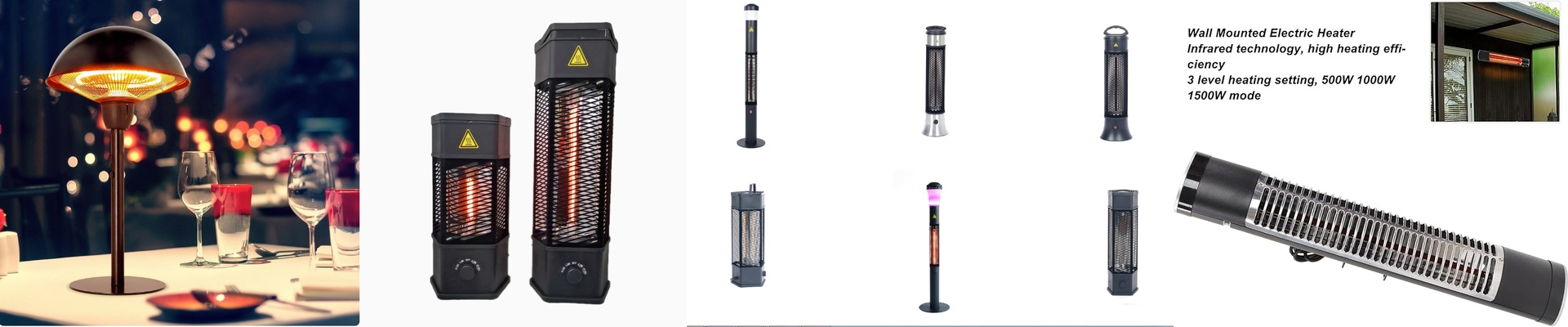
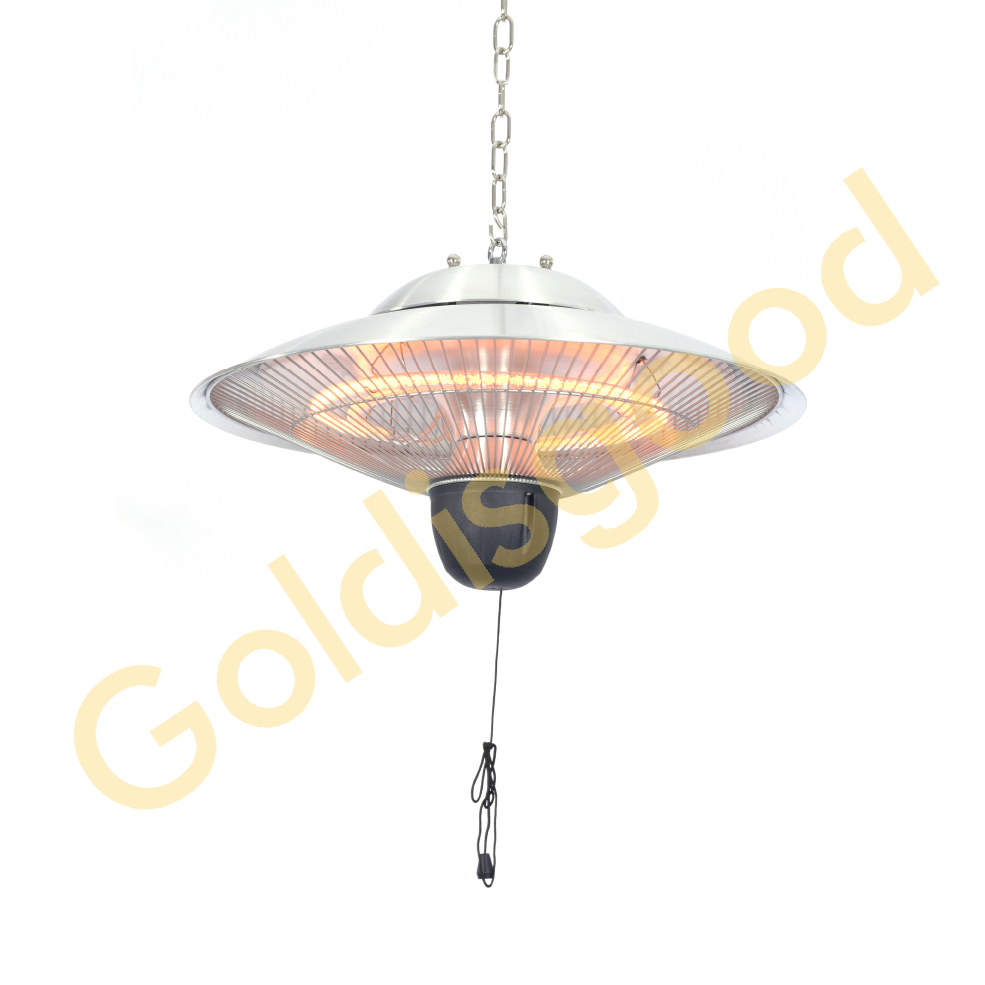
Design teams are already sketching out the 2026 outdoor season, and the question we keep hearing is straightforward: how do you keep launching heaters people actually want? Our approach stays practical—anchor the design on the heat source that delivers comfort immediately, with no fuss. That means carbon fiber.
What matters, technically
A carbon fiber outdoor heater delivers infrared warmth that travels outward, warming people and surfaces first instead of trying to heat the air. In real life, you feel heat within seconds of switching it on, and the warmth holds steady even when a breeze cuts across the patio. The carbon fiber element is thin, flexible, and cycles gently, which keeps temperature swings small and helps the unit run quietly. Pair that with a standard 120V plug and a built-in thermostat, and you get precise control without needing oversized wiring. For outdoor use, we spec IP ratings to keep electronics protected from rain and spray, and we include tip-over protection so the heater shuts off automatically if it gets bumped.
Why it works in the real world
When you’re trying to extend evenings on the patio, a slow heater kills the rhythm. Guests arrive, drinks go cold, and the conversation stalls while everyone waits. With a carbon fiber outdoor heater, the radiant heat arrives fast, so you can seat people comfortably and keep the flow going. Because the warmth is directional, you can place the unit where it’s needed—over a seating group, near an outdoor kitchen, or beside a poolside bench—without trying to heat the entire yard. That targeted approach also keeps energy use predictable, which matters as outdoor living spaces keep getting larger and more integrated.
The details that make the difference
Carbon fiber infrared heat works best when it has a clear line of sight to the people you want to warm. Obstructions and strong wind can cut into comfort, so position the heater to avoid direct drafts and aim it at the body, not the floor. And remember, because radiant heat warms objects, surrounding surfaces can absorb warmth and re-radiate it—great for comfort, but worth planning around if you have sensitive materials nearby.