

Winter turns a garage workshop into a battle. Hands go numb, measurements get sloppy, and tools feel clumsy. Projects stall. A regular space heater that just blows air around ends up moving cold air in circles—and in a shop full of sawdust and solvents, safety is never far from your mind.
What matters, technically
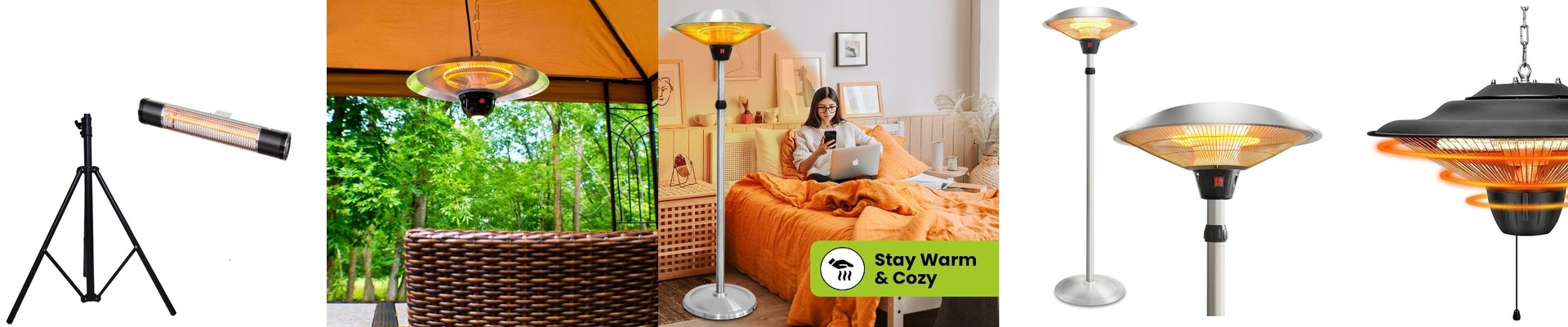
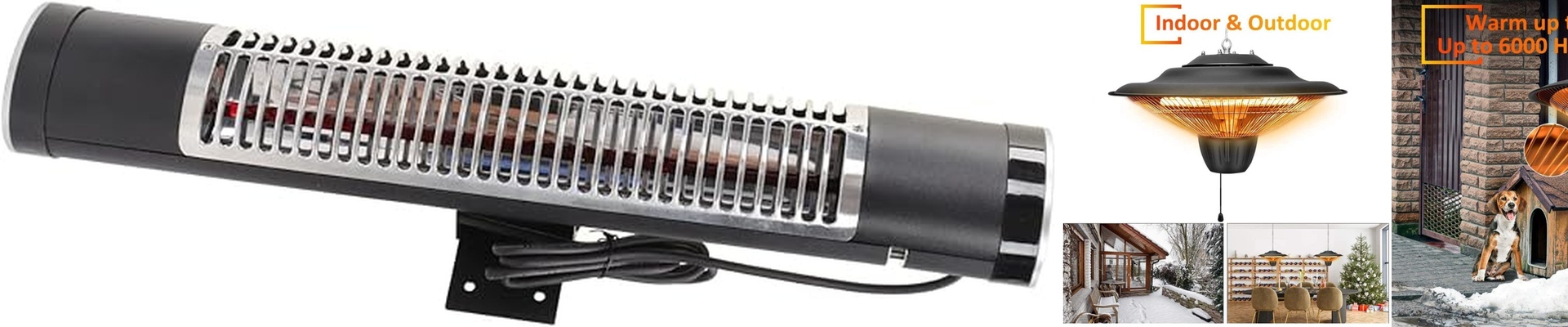
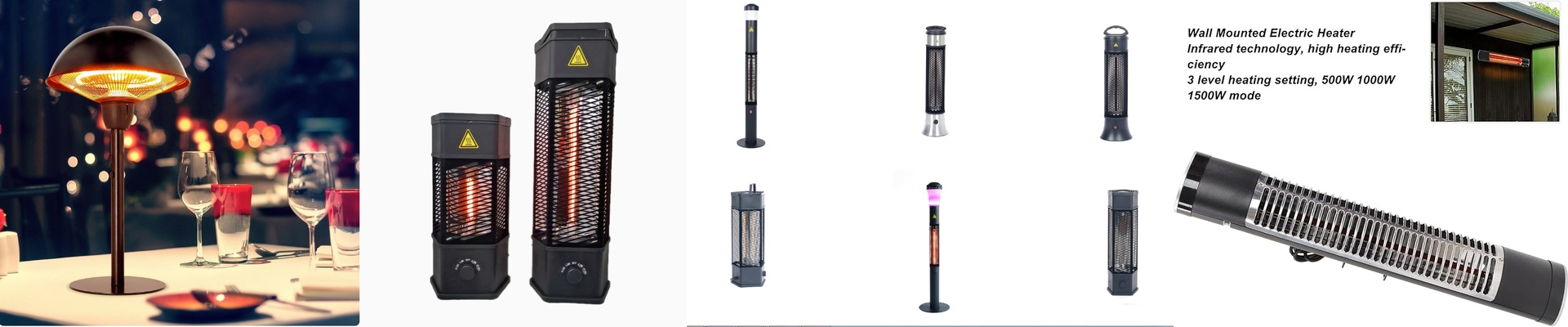
We design garage heaters around radiant infrared warmth, using either a carbon fiber element or a quartz tube. The heat is directed outward, so you feel it the instant you step in—no waiting around for the air to warm up. Go with a 120V model if you’re plugging into a standard outlet. Step up to 240V when you need more output and faster recovery in a larger bay. A built-in thermostat keeps the space steady, and tip-over protection shuts the unit off if it gets bumped. Many models are IPX4 rated, so they can handle the occasional splash or humidity that comes with washing a project or sweeping up.
Why this works in a shop
Radiant heat warms people and work surfaces directly, not the ceiling. That means you can keep working without waiting, and you don’t have to crank the whole-house thermostat. In a garage, that shows up as fewer interruptions, cleaner finishes, and more consistent results. You feel it in your grip and your focus—muscles relax, fingers stay nimble, and your workflow stays intact from start to finish. Energy use stays sensible because the heater targets the zone you’re actually in.
Things to keep straight
Clearance matters. Keep the heater at least three feet from combustibles, and follow local codes for mounting height and clearance from workbenches. Plan the cord route so it’s not underfoot or near cutting zones. For 240V units, run a dedicated circuit and call in a licensed electrician. In very dusty shops, clean the heater periodically so airflow stays unobstructed. The payoff is straightforward: dependable, focused heat that makes your garage feel like a proper workshop again.