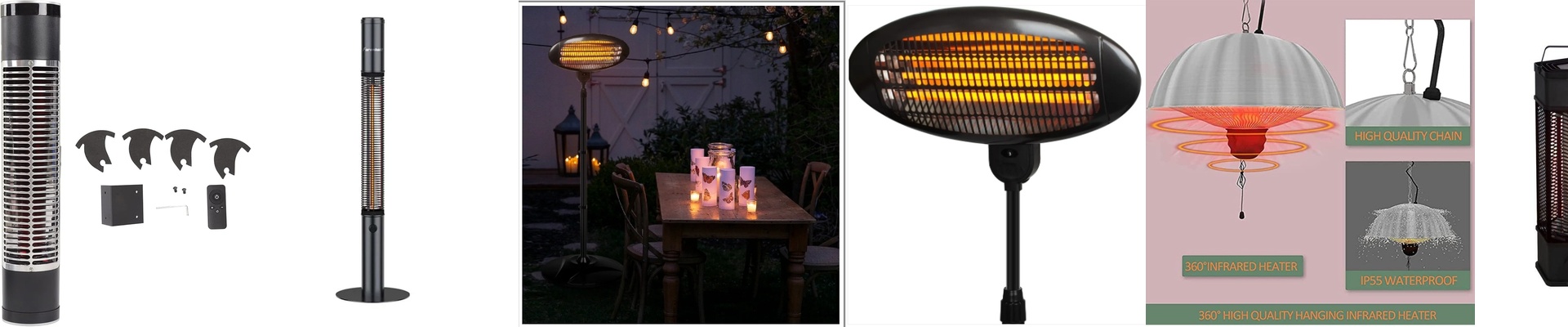
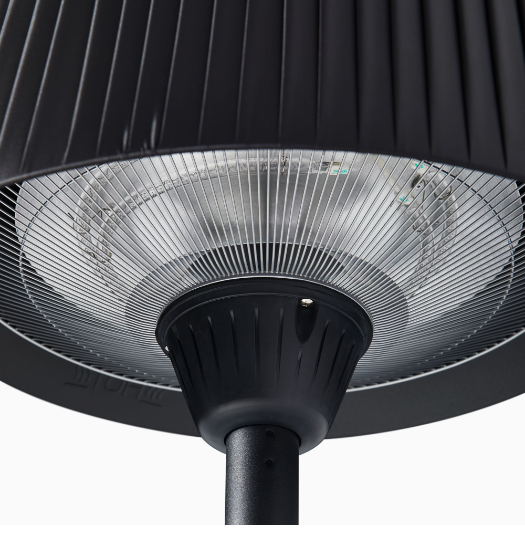
Cold mornings grind everything to a halt. Step into the room, the air bites, and the day feels like it’s already fighting you. An infrared heating painting flips that on its head the second you switch it on. Far-infrared radiant heat blankets the space, warming people and surfaces directly—no waiting around, no drafts. Just immediate, even comfort that shakes off the chill and gets you moving.
What matters under the hood
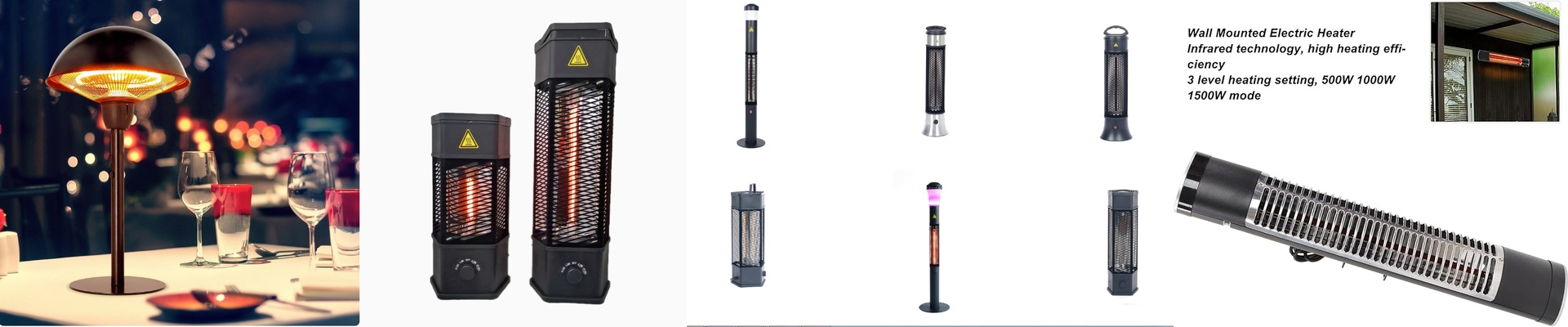
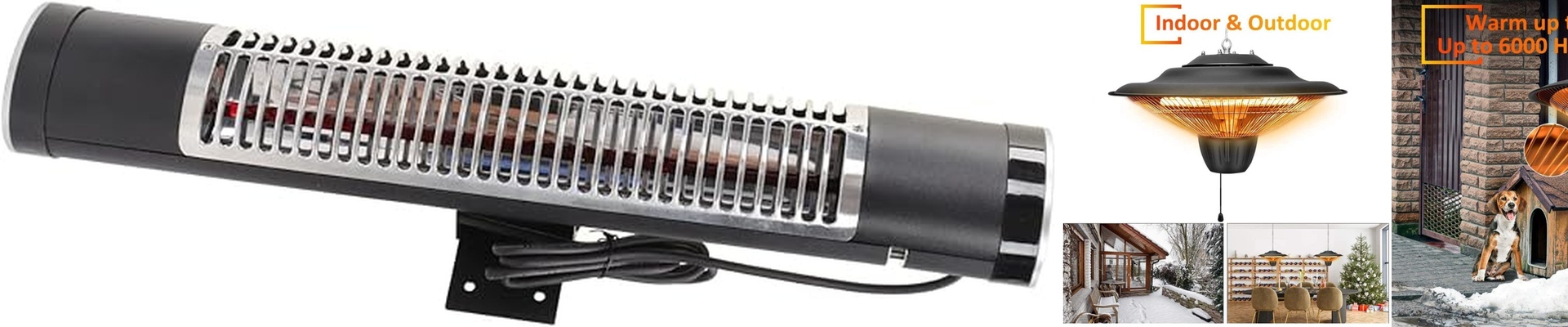
We build these around a carbon fiber element inside a quartz tube—solid choice for stable output and long life. The result is a broad, soft radiant field that feels natural, not harsh. They run on standard 120V or 240V circuits, pulling 500W to 1500W, so they’ll plug into typical home outlets without special wiring. The frame stays slim, and the integrated hanging system keeps the profile clean. A built-in thermostat holds the temperature steady. For safety, you get tip-over protection and an IP rating that’s right for covered outdoor spots—screened porches, protected patios, that kind of space.
Why it clicks where you live
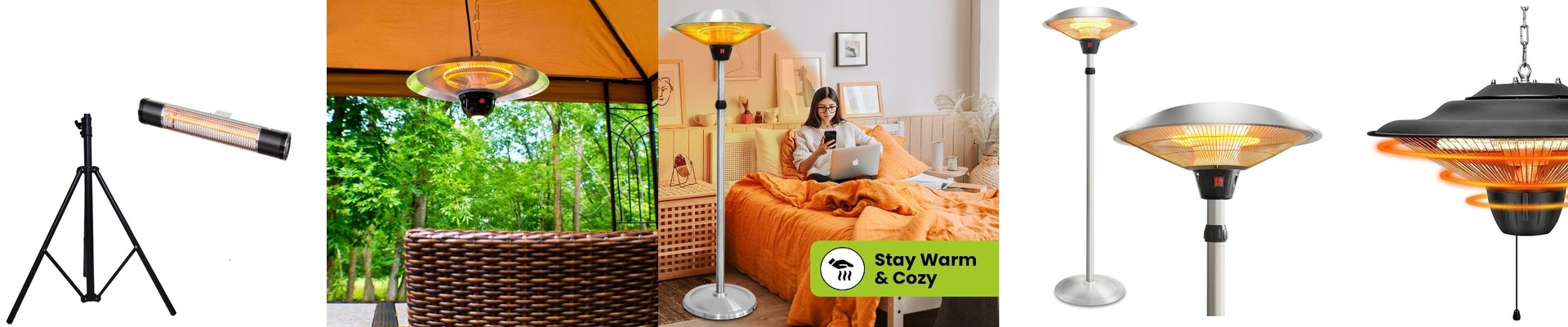
This is less about heat and more about the ritual of starting the day warm. In a living room or sunlit corner, the painting delivers fast, focused comfort that gets circulation moving and loosens up stiffness. The radiant warmth finds you in seconds, so that first cup of coffee comes with coziness, not shivers. On a covered porch, it turns a chilly nook into a spot that actually welcomes morning stretches or evening conversation. Because it heats objects and people directly, you can feel comfortable at lower thermostat settings, which helps keep energy use in check.
What to plan for
You’ll want an outlet nearby, and it pays to check the circuit rating before you plug in. These units are happiest in covered areas; if they’ll see direct rain or snow, you need an enclosure with higher protection. For the cleanest install, hardwiring to a junction box is the way to go, though plug-in models are an easy alternative. Surfaces near the heater will warm up, so keep the listed clearances. And keep in mind, like any radiant heater, it won’t chase warmth into unoccupied corners the way forced-air systems do.