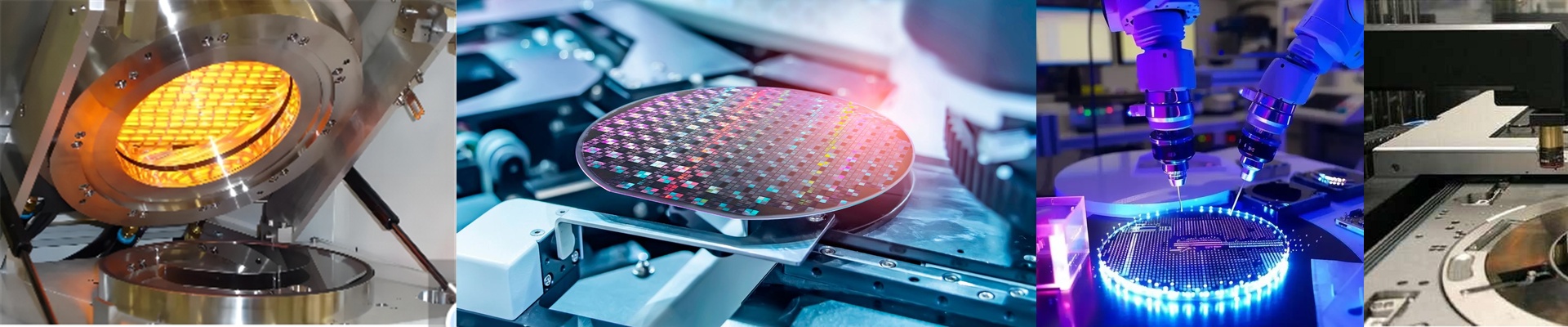
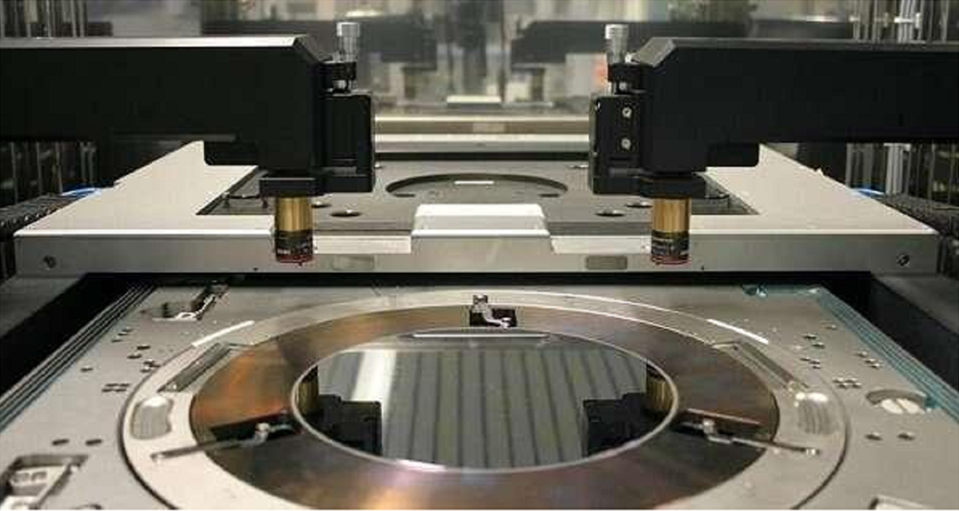
On the oxidation line, temperature stability isn’t a nice-to-have—it’s the whole process. A 1°C swing across the wafer will move oxide thickness by angstroms, and that’s enough to push devices out of spec and write off hours of work. We built these heating elements to take that uncertainty off the table. What matters, technically You get wafer-level thermal uniformity within ±0.1°C, so the thermal budget stays tight and repeatable. Carbon-fiber-reinforced quartz gives you fast ramp-up and predictable emissivity, and the low-outgassing design keeps particle generation at zero. That translates to cleanroom compatibility from Class 1–100, steady performance through 24/7 operation, and fewer unplanned stops. Here’s why it holds up in real use: in oxidation furnaces and bake modules, the heating element sets the baseline for every wafer that runs. Better uniformity means more consistent photoresist soft bake and hard bake, tighter control on line-width variation, and a lift in yield. You also see lower energy draw in steady state and longer element life—both of which knock down cost per wafer and make spares planning easier. A couple of practical notes. These elements are engineered for specific thermal profiles and mounting tolerances. Matching the interface—bolt pattern, clearance, and terminal type—to the furnace retrofit kit is non-negotiable. Plan the install with a short thermal soak and a verification scan; that upfront time pays you back in stable runs and predictable maintenance intervals.