Introduction
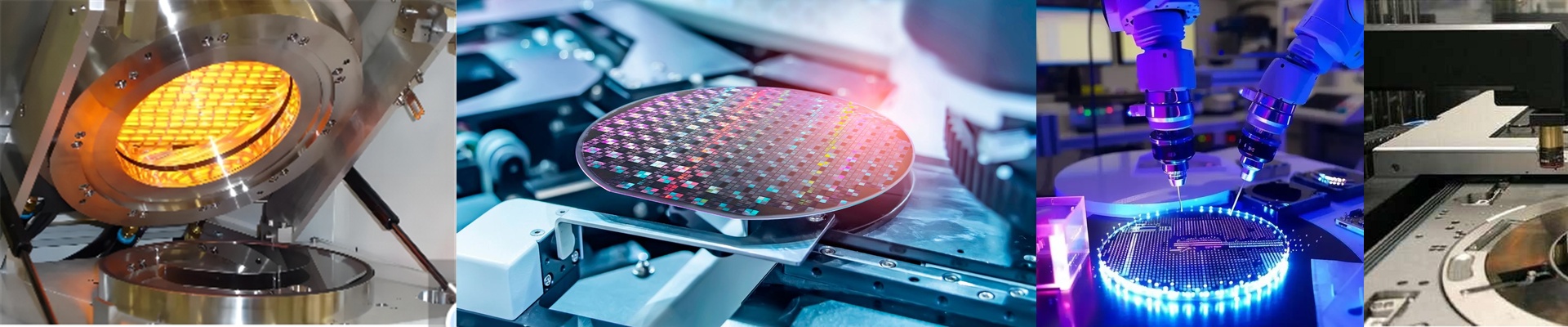
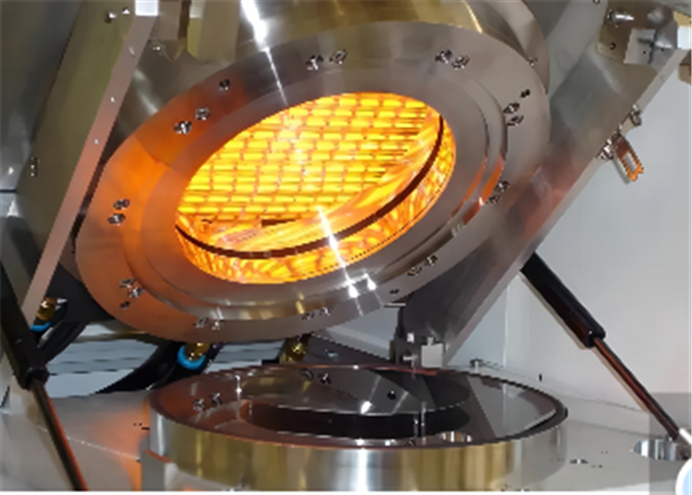
Here’s the deal. We make wafer dryers for the semiconductor line, and we’re not afraid to put them head-to-head with any big international brand. Live. On-site. In a real performance test. This isn’t just some marketing line. It’s a straight-up engineering dare, born from real confidence in how we build things. We design these machines to be rock-solid—consistent heat, pinpoint control, and the kind of uptime you can count on when the pressure is on in a cleanroom.
The Power, Voltage, and Size—Plain English
Wafer drying needs a lot of heat packed into a small space. So we built our halogen heating system around a 400V electrical setup. Why? It lets us deliver serious power without pushing the electrical current past what the tool’s wiring can safely handle. That voltage choice keeps energy loss low and keeps things stable, even during those marathon production runs. And the size? We match the standard—think a 300mm tube length—so it slides right into your existing chamber. No fuss. The power is tuned just right to blast away solvents fast, without overshooting the temperature. That means your cycle times stay tight.
The Materials: Why We Chose What We Chose
We put halogen elements inside a quartz envelope. Quartz can handle extreme heat, and it stays clear, which gives us predictable, even radiant heat transfer. The halogen cycle also keeps the filament stable over time, so the heat output doesn’t drift. That matters when you’re drying sensitive wafers. For the connections, we use an R7s connector. It’s simple, secure, and gives you consistent contact. It installs quickly, keeps hot spots from forming at the joint, and holds up even when you’re doing regular maintenance.
What It Feels Like on the Floor
When you’re out there on the shop floor, you don’t need a machine that’s temperamental. You need one that starts, runs, and repeats. That’s what our setup gives you. It heats up fast, so your process hits its target temperature quickly, and the control system holds steady without hunting. The payoff? Fewer rejects and a smoother, more predictable flow. Now, there is one thing to keep in mind. The high heat density means your chamber cooling and airflow need to be up to the task. If your cooling is undersized, you’ll run into thermal overshoot. But match the infrastructure properly, and this dryer becomes the dependable workhorse you need, day after day.