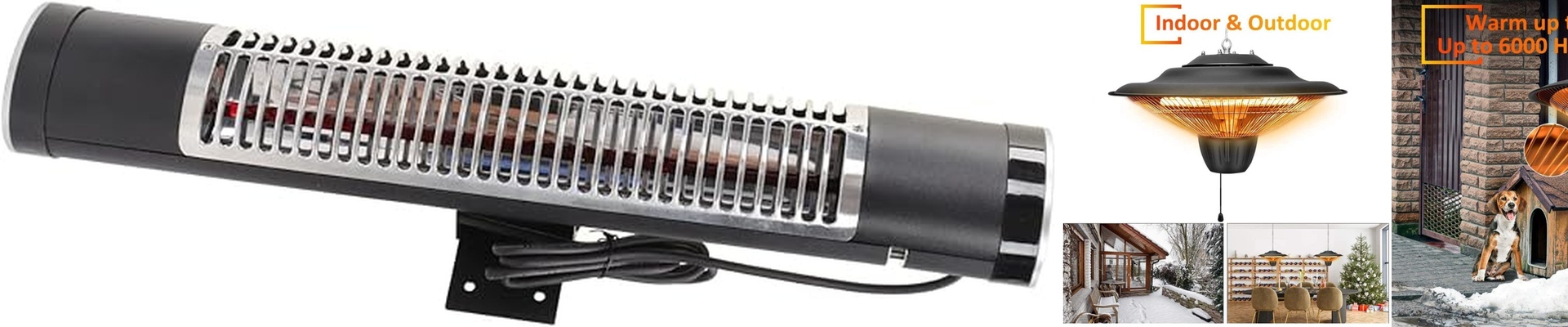
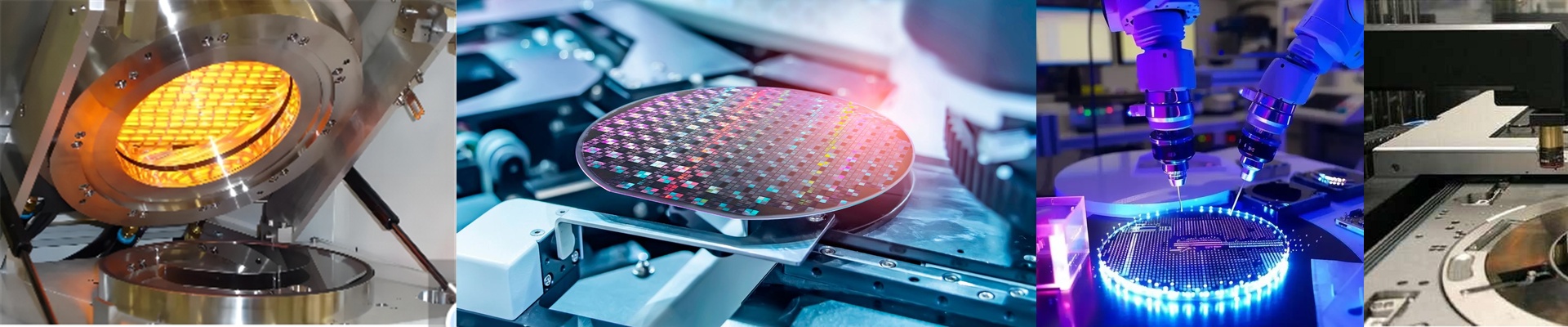
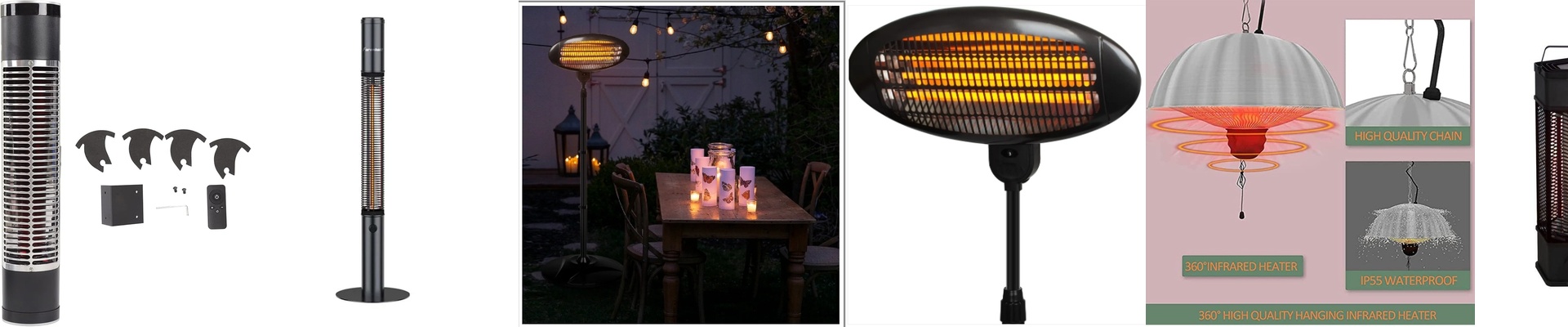
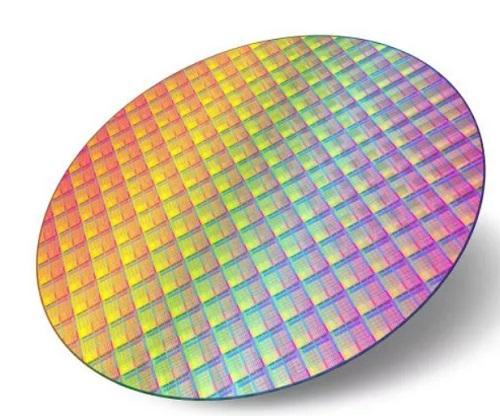
Out on the fab floor, a single water mark after cleaning can take down an entire lot. Conventional drying leaves thermal gradients across the wafer, and those gradients show up as photoresist thickness non-uniformity after soft bake. We built our wafer drying infrared heaters to kill that variability where it starts. What matters, technically We run short-wave infrared emitters with fast-response quartz elements, so the heat flux across the wafer plane is uniform down to the sub-millimeter. That gives you wafer-level temperature uniformity within ±0.1°C and repeatability that holds across shifts, lots, and tool changes. Output stays stable from 100°C to 300°C with tight closed-loop control, so your soft bake and hard bake profiles track the recipe exactly. The heaters are built for Class 1–100 cleanrooms: low outgassing materials, zero particle generation, and surfaces that wipe down without contaminating the chamber. Why it works in practice In wafer drying and photoresist processing, thermal uniformity is the difference between yield and scrap. Matched thermal profiles cut edge bead and standing waves, improve CD control, and reduce scrap. Fast ramp-up shortens cycle time without blowing the thermal budget, and the stable setpoint means less rework. Energy use drops because the emitters heat the target only, not the whole frame. Reliability comes down to uptime—we have units running 24/7 with predictable maintenance intervals and no unplanned downtime. Here are the practical details Installation needs careful attention to optical alignment and to the emissivity of the carrier and wafer. If the surfaces are mismatched, the temperature map will be off. The system needs clean, dry air and a stable voltage supply to keep the control loops tight. Plan a short commissioning run to tune PID and map the hot zone to your wafer size and process. Once it’s set, the heater runs with minimal drift. Still, re-verify after any chamber change—that’s just standard shop practice.