Why We’re Switching to IR Curing in the Fab
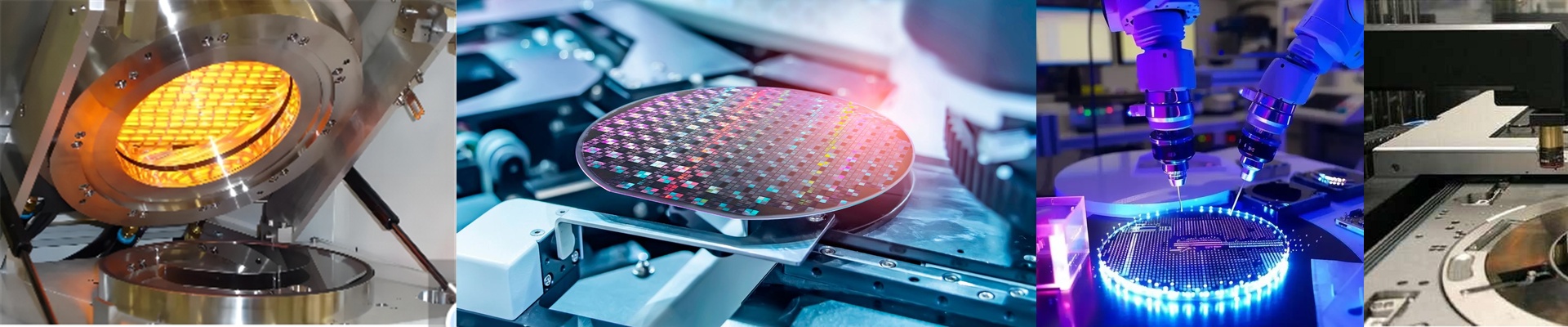
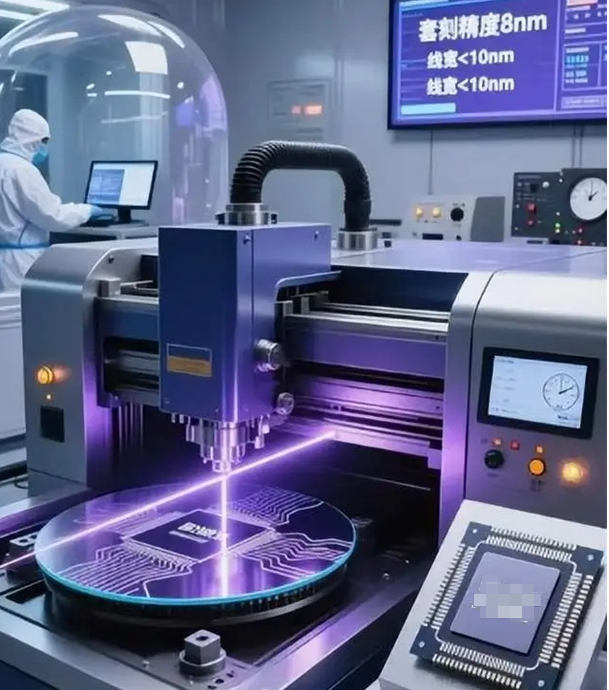
Whenever I’m auditing energy use on a drying line, I’m looking for one thing: how do we kill the carbon footprint without slowing down the line? Most old-school convection ovens are basically giant boxes that heat up massive amounts of air. It’s a total waste. You’re heating the air just to heat the wafer. Infrared (IR) curing flips that logic on its head. Instead of warming the room, it beams energy straight into the substrate. It’s a different kind of heat. We use short-wave and medium-wave IR lamps to hit the exact absorption bands of the solvent or resist. There’s no waiting for the air to get warm. The photons hit the wafer surface instantly. Suddenly, your drying window drops from minutes to seconds. Your footprint gets smaller. Your line moves faster. It’s a win-win. Then there’s the “green” side of things. The push for lead-free isn’t just about the solder—it’s about the whole thermal process. With slow convection, you often need heavy chemical stabilizers or lead-based fluxes just to survive that long, slow ramp-up. IR is different. It’s fast and precise. We can spike the temperature and cool it back down before the substrate even has a chance to degrade. No toxic fumes, and no wasted heat leaking into the cleanroom and making the HVAC work overtime. But here’s the catch. You can’t just rip out a heater, slap in an IR lamp, and walk away. IR delivers a massive amount of heat density. If your conveyor speed is off by a hair or the wattage is too high, you’ll scorch your wafers. It’s a disaster. You need a really tight feedback loop. The pyrometer and the power supply have to be talking to each other in real-time to stop the temperature from overshooting. Lately, we’ve seen the best results with pulsed IR. It keeps the steady-state heat load on the facility way lower. It’s honestly the easiest way to hit those global ESG targets without sacrificing your yield.