Stop Cooking Your Glovebox: A Better Way to Handle Heat
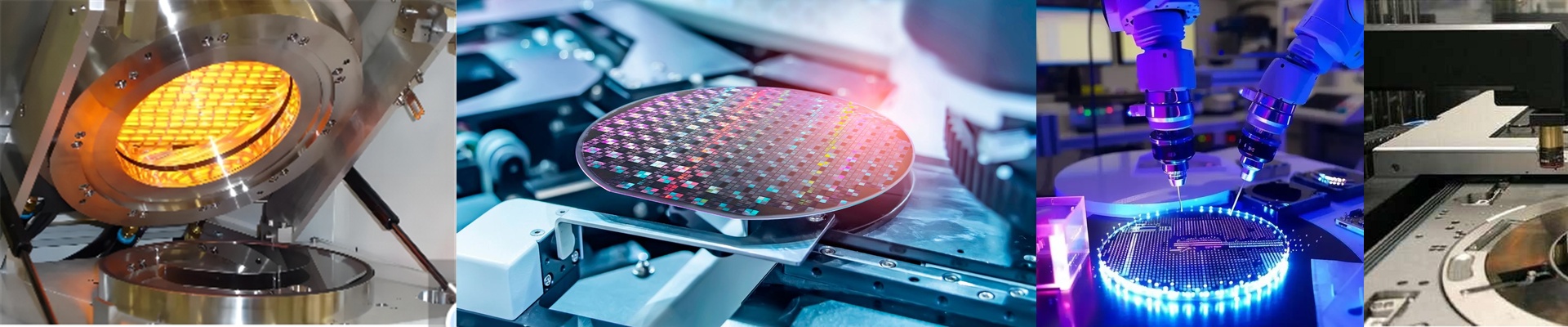
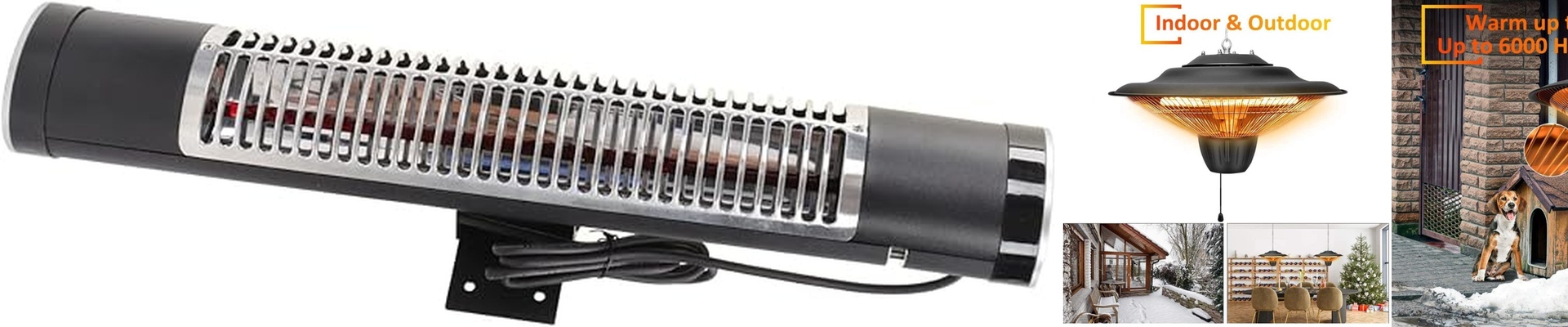
If you’ve ever tried to heat a target inside a semiconductor glovebox, you know the struggle. You want the part hot, but you don’t want to turn the entire chassis into an oven. Traditional convection heaters are kind of a blunt instrument. They just warm up everything in the box. Before you know it, you’ve got hot spots on the inner walls, your seals are starting to degrade, and the people operating the equipment are getting nervous. It’s a mess. We handle this differently. We use directional infrared (IR) heating. The trick is in how the heat moves. Instead of pushing hot air around, IR sends energy in a straight line. It’s like a flashlight, but with heat. We pick lamps with specific wavelengths that your workpiece loves to soak up, while the stainless steel walls of the box just bounce the energy right back. The result? Your target gets hot, and your walls stay cool. Simple as that. Picking the right gear We usually go with short-wave quartz elements. Why? Because they’re fast. Like, really fast. When you need to hit a precise temperature ramp, you can’t be waiting around for the air to warm up. Short-wave IR reacts almost instantly. But you have to be smart about the wattage. If you go too heavy without the right shielding, you’ll end up with “hot zones” that can warp your thin-film components. It’s a balancing act. To keep things from overshooting the mark, you’ll want a PID controller paired with a thermocouple that samples quickly. Making it work in your shop We can build these as custom mounts or just simple drop-in replacements. Because the beam is so focused, you can stop worrying about stuffing heavy insulation inside your glovebox. That keeps the internal volume clean and means you aren’t dealing with those nasty smells from heat-stressed plastics. One last tip: check your wiring. Make sure it’s rated for the current draw. If you get a voltage drop, your heating consistency goes out the window, and that’s the last thing you want when you’re chasing a precise spec.