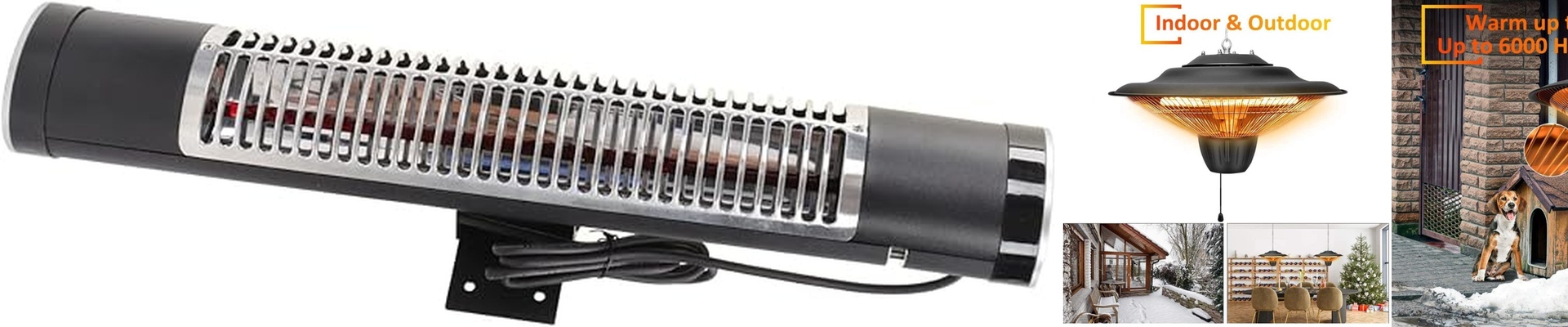
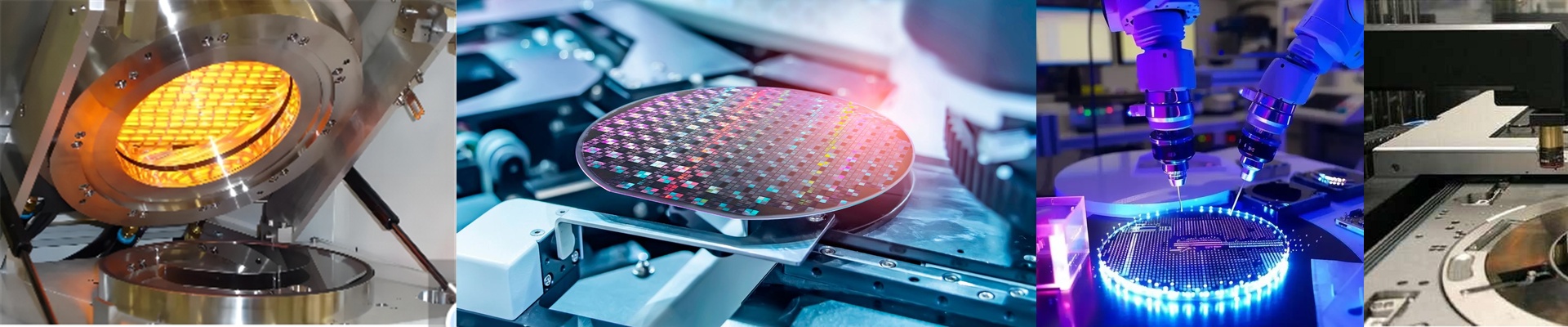
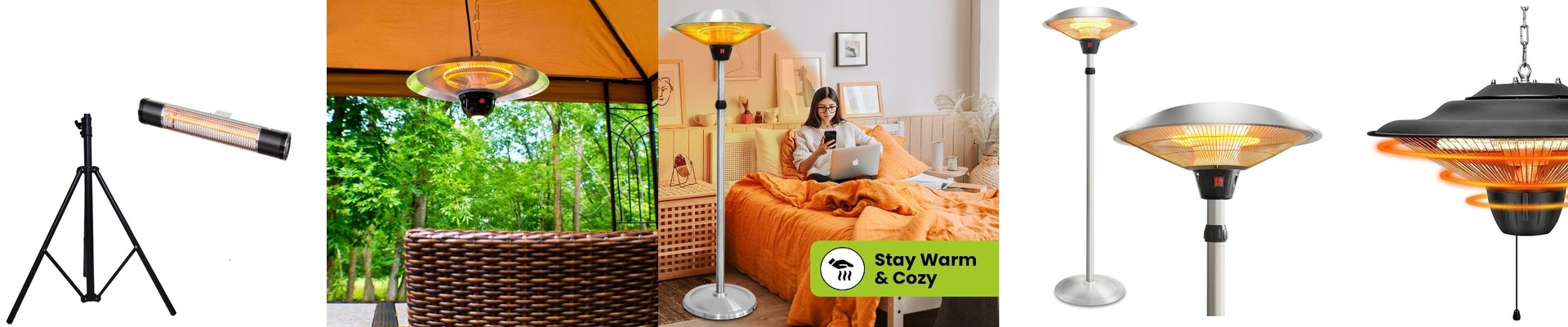
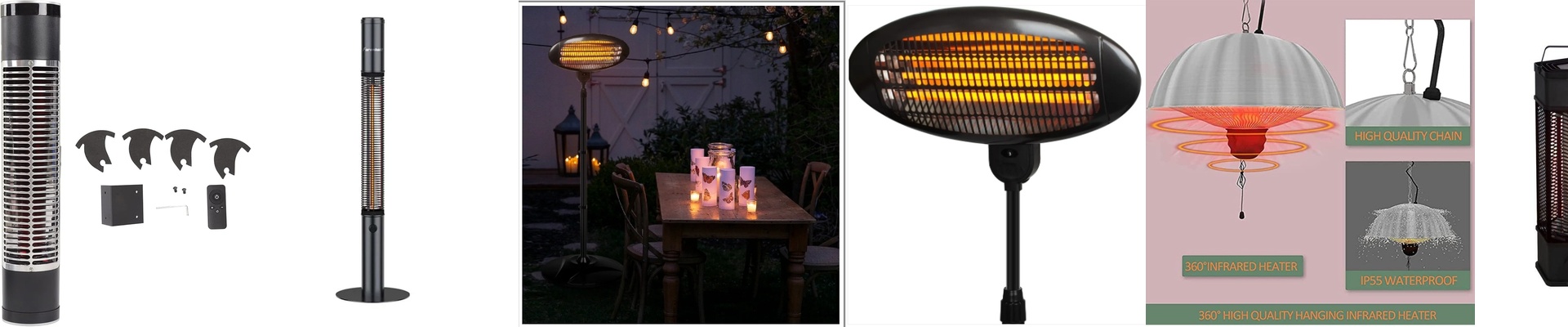
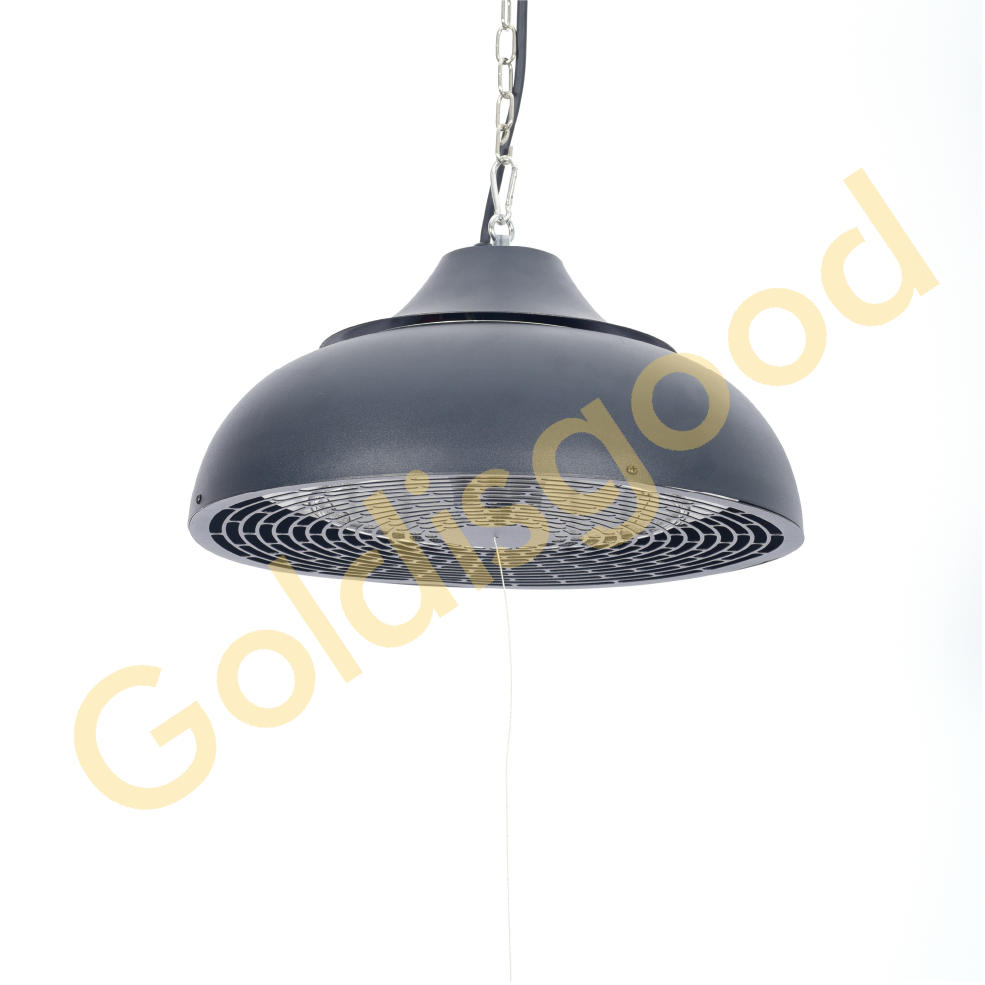
We built these factory ceiling radiant heaters for one simple reason: to take a freezing, cavernous space and make it feel stable—almost instantly. If you’re a plant manager, you’re not chasing fancy features. You just want to stop downtime caused by the cold without tearing apart the whole HVAC system. Our infrared heaters do exactly that, putting warmth where it matters, when it matters. Power and voltage: set up to work in the real world Inside, we use high-density halogen elements to create serious radiant heat. Most units run on 400V, so they can pull the current needed for fast output. That voltage is chosen to match industrial power, so the heater wires straight into existing three-phase systems—no step-down transformers required. The wattage is tuned for high heat per square meter, so it warms surfaces and people directly, not just the air. That direct transfer is why you can step into a cold changing room and feel the temperature climb right away. Built tough: quartz tube, R7s connector At the heart is a quartz tube that holds the halogen filament. Quartz handles rapid on-off cycling better than standard glass, so you don’t have to worry about cracking when the system kicks in hard. The halogen cycle keeps the filament clean, so output stays consistent over the life of the lamp. We use an R7s connector because it gives a solid, high-current connection that’s easy to install and easy to service. It holds up to the heat without degrading, and it makes tube replacement quick when it’s time. The design stays compact while delivering maximum heat intensity. Where it shines: targeted warmth where you need it In a factory, these heaters hang overhead and pour warmth downward—onto workstations, changing areas, and the paths people use most. Radiant heat cuts through the air and warms objects and people directly, so you’re not wasting energy heating empty space. For engineers, that means lower energy use, faster warm-up, and less strain on equipment. The key is placement: the heat is concentrated, so you want a layout that gives even coverage across the spots you care about. A practical fix that turns cold into comfortable—fast A quick heads-up on operation Because these heaters are powerful, give the surrounding area some breathing room. Make sure your electrical circuit is rated for the load, and leave enough clearance so nearby components don’t get cooked. That’s the whole idea: a heater spec’d to get the job done, without overcomplicating things.