


Introduction
Picture this: you’re running a high-load vacuum chamber, and one tiny heating lamp blows. The whole line stops. Worse, expensive wafers get contaminated. That’s exactly why we built our vacuum chamber infrared heater. It’s not just another component. It’s a direct answer to a problem that can cost you time, money, and your sanity. The idea is straightforward—give you intense, controllable heat without the nightmare of a lamp failure and the mess that comes with it.
Power and Size: The Real Deal
Here’s the thing about our heaters: they pack a serious punch in a small space. We’re talking a 400V, 2500W setup that gets your chamber up to temperature, fast. That kind of power lets a 300mm tube focus on a small area and really crank up the heat. But with that kind of output comes a catch. It generates a lot of heat, so your chamber’s cooling system has to be up to the task. If you’re running this, just make sure your machine’s cooling can handle the extra load.
Built to Take a Beating
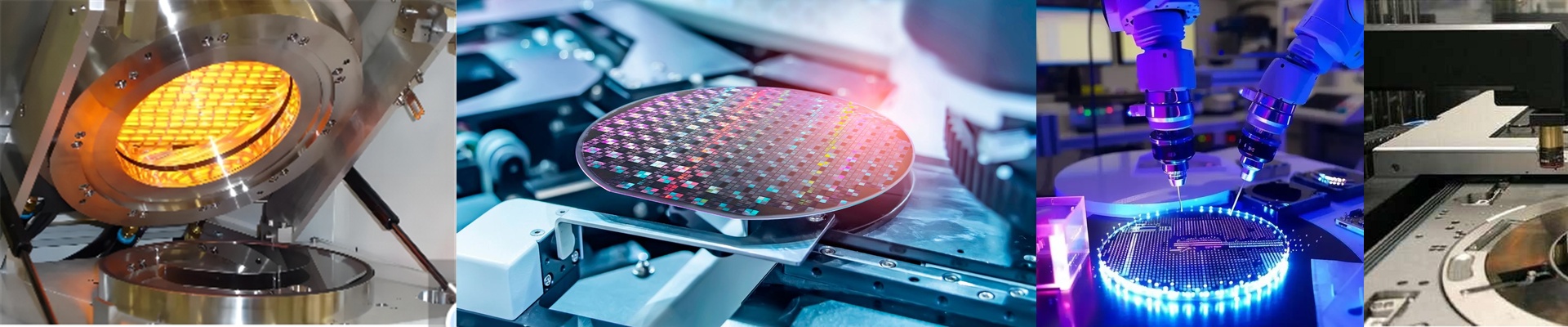
The heart of the system is a shortwave halogen infrared element, all tucked inside a quartz tube. Quartz is tough—it handles rapid heating and cooling cycles and stays stable, even under vacuum. We also add a special coating to the tube. It spreads the heat out evenly, cutting down on hot spots that can stress the material. Then there’s the connector. We went with an R7s base. It’s a standard, solid connection that makes the lamp a simple, drop-in replacement. The design keeps the electrical side separate from the vacuum, so your chamber stays clean.
Peace of Mind Under Pressure
In wafer processing, the two big fears are the lamp burning out and the mess it leaves behind. Our heater is built to resist sudden failure. The materials and shape are chosen to handle high-load work without shattering. And if a lamp does fail, the containment design keeps most of the debris from getting into the process. That means your wafers stay protected from contamination. You get consistent heat, faster warm-up times, and fewer surprise maintenance stops. For anyone running a high-throughput line, it’s about keeping things stable and avoiding the headache of scrapped product.