Keeping Your Bathroom Warm (Without the Risks)
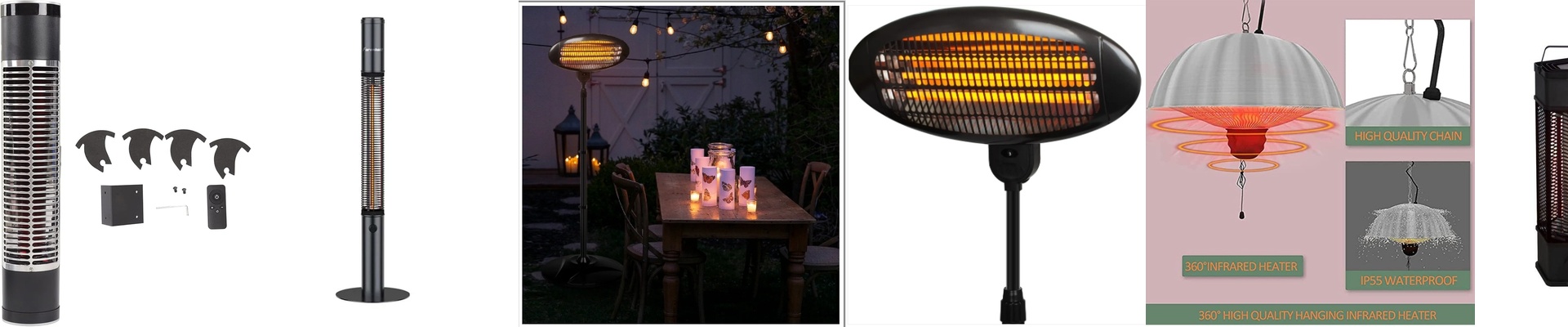
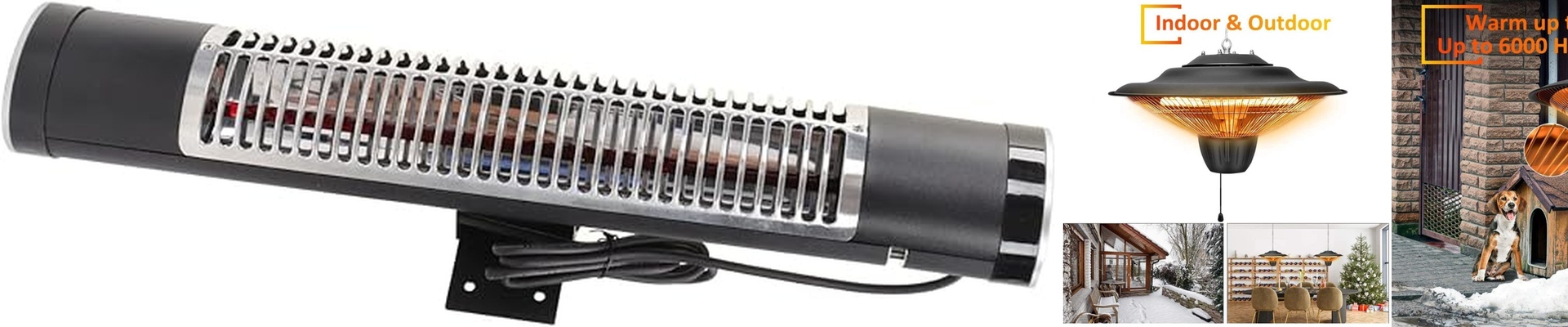
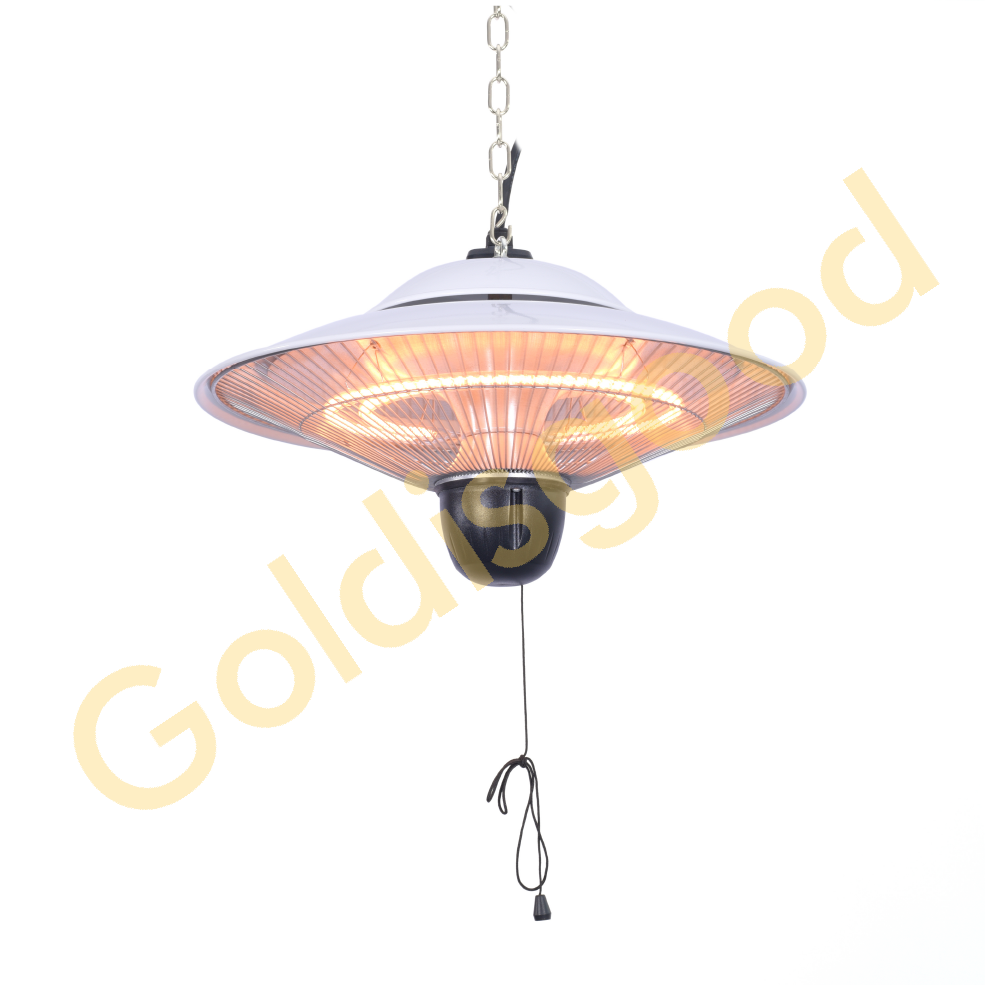
When you’re picking out a heater for your bathroom or shower, you aren’t just trying to stop the shivers. You’re dealing with a tricky mix of electricity and heavy steam. Most people look at the IP65 rating and think they’re set because the casing is sealed. But the real worry is actually inside the lamp. Think about it: a scorching hot quartz tube gets hit by a stray drop of cold water. In a cheap heater, that thermal shock can crack the glass, leading to a short circuit or a nasty electrical arc. Not exactly what you want when you’re stepping out of the shower.
The Deal with Explosion-Proof Quartz
That’s why we use explosion-proof quartz glass. Standard glass just can’t handle those wild temperature swings. It snaps. Our tubes are built to take the hit. And look, if a tube ever does break, the design keeps things under control. It won’t spray shards everywhere or cause a total electrical meltdown. It’s basically the last line of defense between the high-voltage current and you.
The Reality of Wet Zones
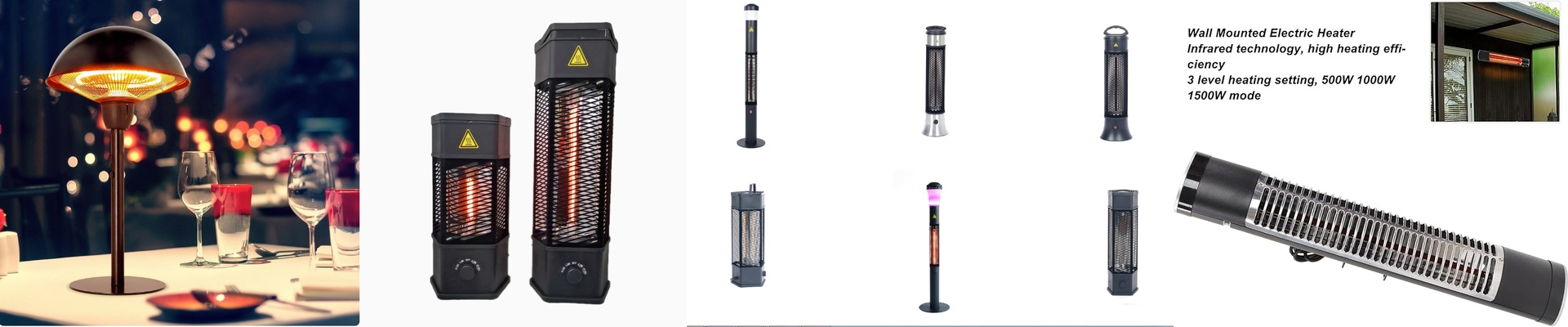
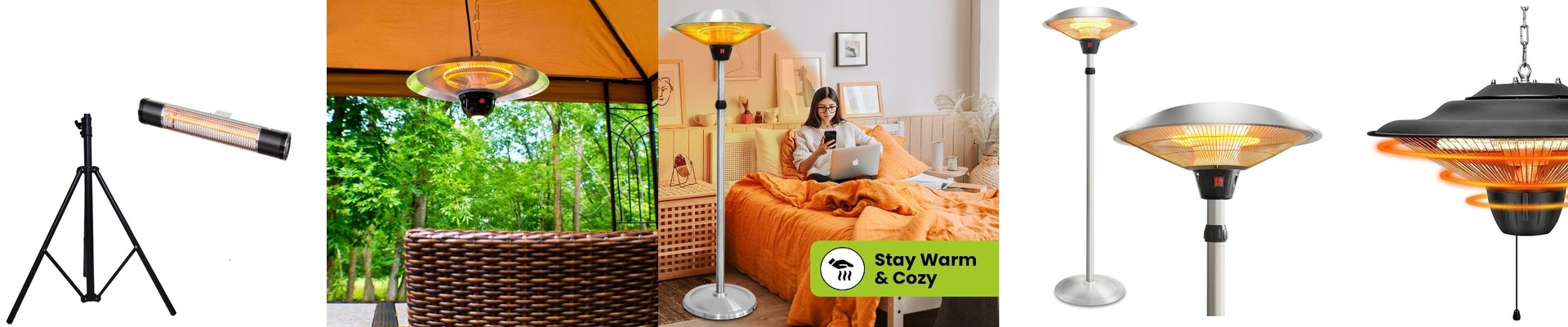
Here’s the thing: an IP65 seal is great for splashing water, but steam is a different animal. It gets everywhere. We tuck these quartz lamps into sealed housings specifically to keep that moisture away from the terminals. The best part? You get that instant, short-wave infrared heat. It doesn’t waste time trying to warm up the air in the room first—it just warms you. One quick heads-up, though. These high-wattage lamps get seriously hot. Even though the glass is tough, you’ve got to make sure your mounting brackets can handle the heat. If you use cheap housing materials, the whole chassis will start to warp over time.
Setting It Up and Keeping It Safe
We designed these to be simple drop-in replacements for your existing bathroom heaters. No need to overcomplicate it. Just keep an eye on the seals where the wires enter the unit. I’d suggest checking your gaskets every six months. It takes two minutes, but it’s important. Once a seal goes bad, that fancy IP65 rating doesn’t mean much anymore, and your heater becomes a liability.