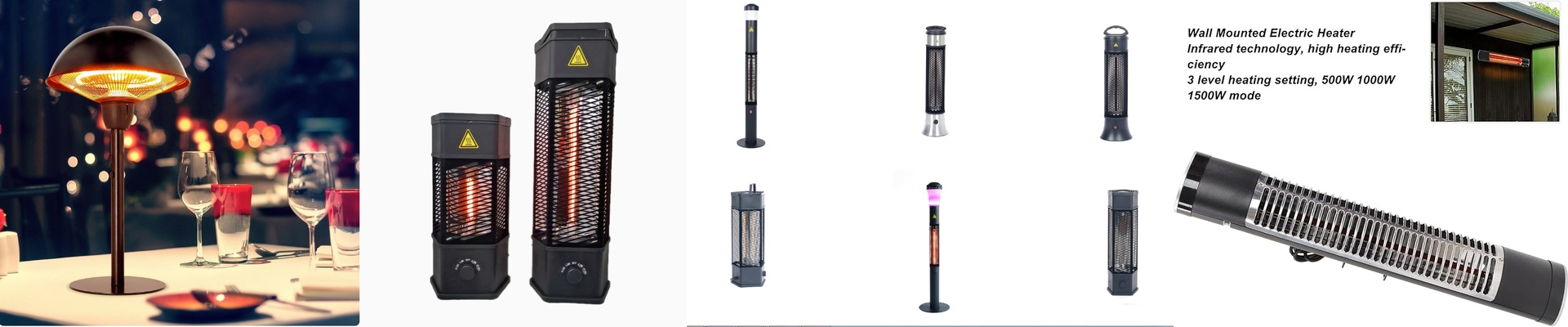
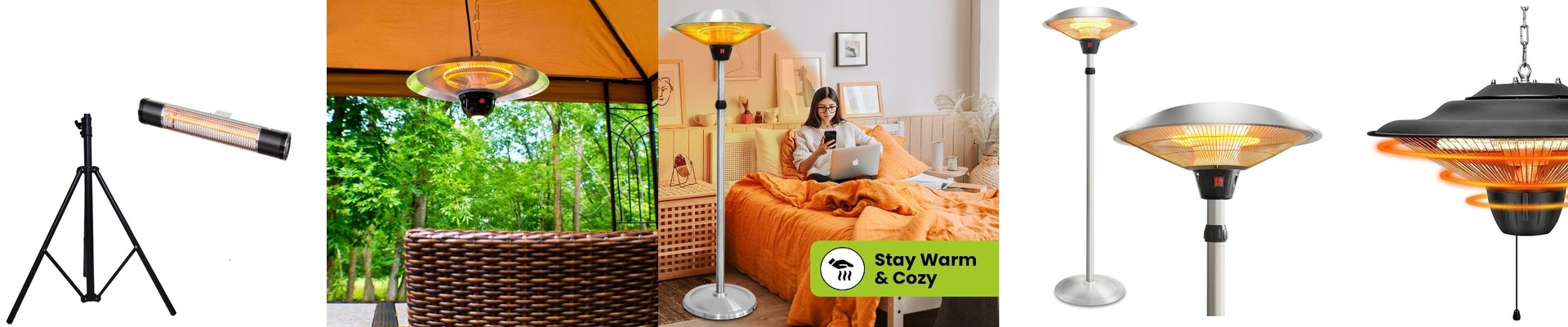
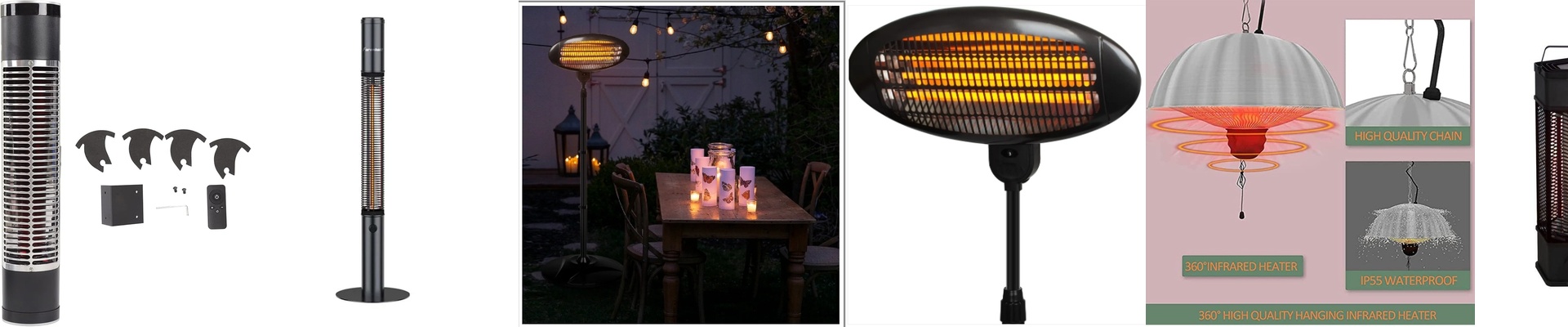
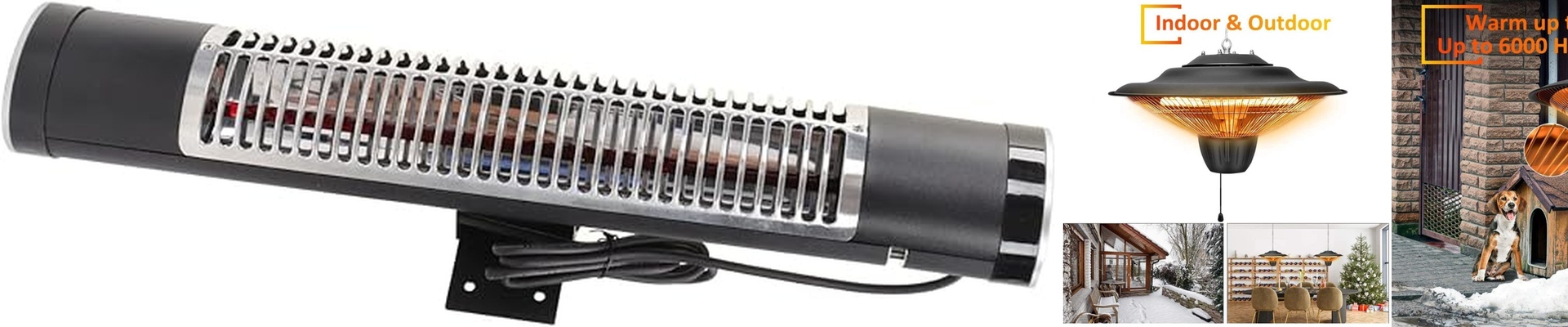
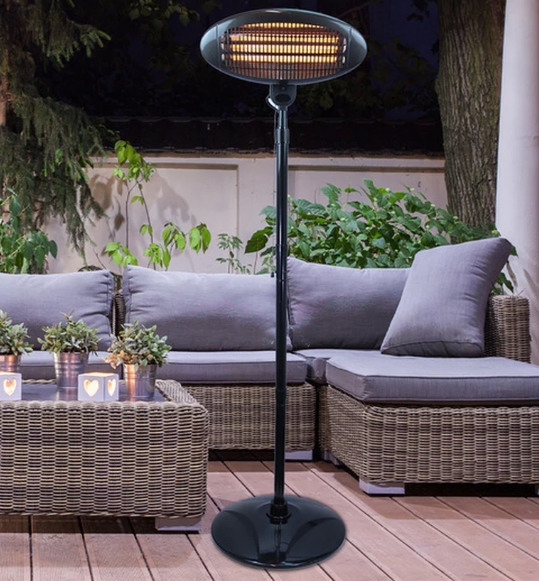
Let’s be honest: most outdoor patios are ghost towns once winter hits. Standard space heaters just can’t keep up with a cold breeze—they try to warm the air, but the wind just blows that warmth away before it even reaches your guests. That’s why we use short-wave infrared. Instead of fighting the wind, these emitters send heat straight to the person and the chair they’re sitting in. It feels like standing in a patch of sunlight on a crisp day. No drafts, no shivering—just warmth. And when people actually feel comfortable, they don’t rush. They stay for that extra round of drinks or a slice of cake, which is a win for your bottom line. Getting the layout right We don’t just guess where the heaters go. We look at your specific patio footprint to create “heat zones.” Think about it from the guest’s perspective. If they sit down and feel an immediate glow, they relax. If they’re freezing, they’re checking their watch and looking for the exit. Keeping things cozy stops that rushed feeling and keeps your tables moving at a natural pace, even in the dead of January. The technical side of things Before we start drilling, we need to take a peek at your breaker panel. These units pull a decent amount of power, and the last thing you want is a tripped circuit in the middle of a dinner rush. A pro tip: we usually set these up in zones. That way, if half your patio is empty, you can just kill the power to those sections and stop paying to heat the empty air. Keeping it real about the weather Now, infrared is powerful, but it isn’t magic. It can’t replace a roof or a wall. If you’re dealing with brutal winds or temperatures that dip way below -5°C, you’ll notice the warmth fading. To get the most bang for your buck, try pairing the heaters with some windbreaks or acrylic screens. It traps the heat in, makes the guests feel snug, and means you don’t have to buy as many heater units to get the job done.