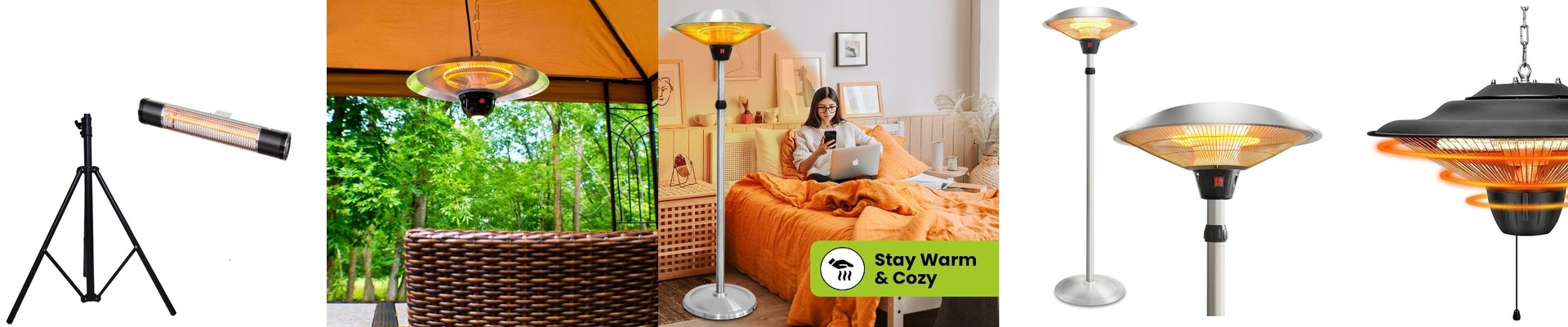
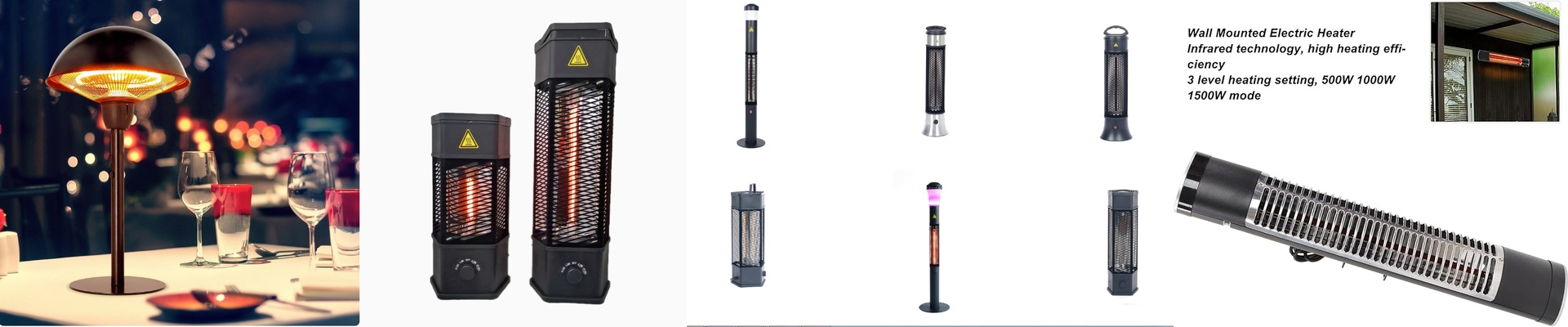
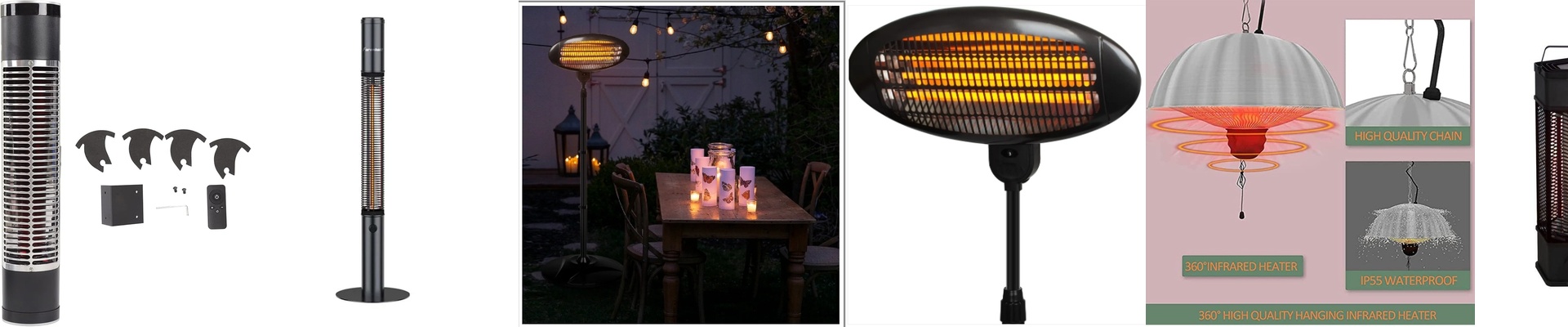
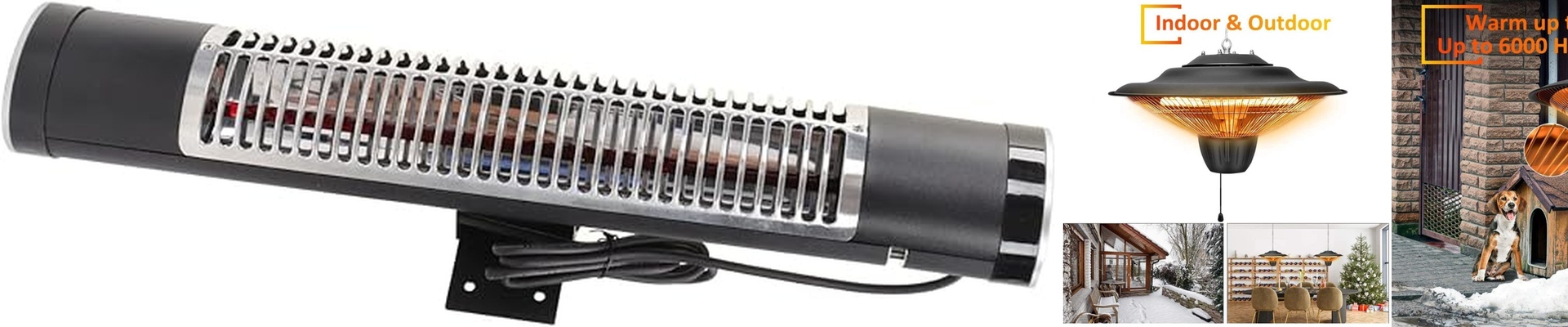
Why we put our bathroom heaters through “the torture chamber”
Let’s be honest: bathrooms are a nightmare for electronics. You’ve got thick steam, random splashes of water, and temperatures that jump from freezing to sweltering in minutes. If you’re looking at an IP65 rating, that’s a great start. But a waterproof seal on day one doesn’t mean it’ll still be working on day 500. That’s why we put every batch of our infrared heaters through “damp-heat aging tests.” Basically, we try to break them before they ever get to your house.
The problem with steam
Here is the thing about steam. It’s sneaky. While a seal might stop a jet of water from getting inside, vapor is different. It finds the tiniest gaps and slips right through. Once that moisture settles on the internal wiring, it starts to eat away at the metal. We call this oxidation. Eventually, the electricity finds a path it wasn’t supposed to take—a short circuit—and suddenly your heater is dead. To stop this, we shove our heaters into high-humidity chambers. We simulate years of wear in a fraction of the time. If a gasket shrinks or a sealant cracks because of the heat, the unit fails. Simple as that.
The “push and pull” of heat
Infrared lamps get incredibly hot. Like, really hot. When that happens, the metal housing expands. But the rubber seals? They don’t move nearly as much. This creates a tug-of-war that can open up tiny gaps in the armor. We test for this specifically. We run the lamps at full blast and then hit the exterior with cold water. If the seal can’t hold its grip during that shock, it’s not good enough for a real bathroom.
Finding the sweet spot
You might think, “Just seal it tighter!” But there’s a catch. If we make the seal too airtight, the heat gets trapped inside the chassis. It becomes an oven in there, which actually cooks the wiring and kills the lamp faster. It’s a balancing act. We spend a lot of time tweaking the tension—keeping the moisture out without overheating the guts of the machine. We don’t like guessing games when it comes to how long a product lasts. We stress the hardware until it snaps, find the weak spot, and fix it. That way, you don’t have to worry about a tripped breaker or a dead heater during your morning shower.