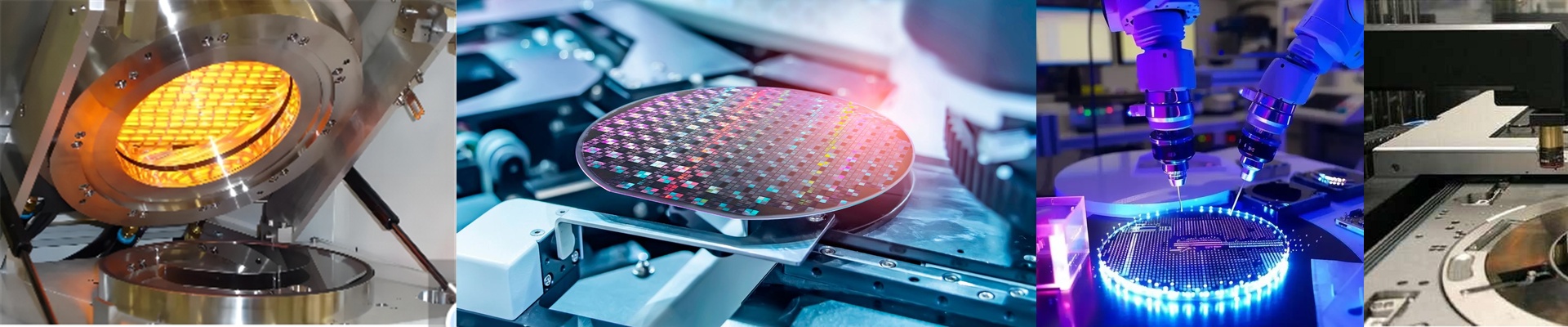
Stop the Shards: Keeping Your Wafers Safe When Lamps Fail
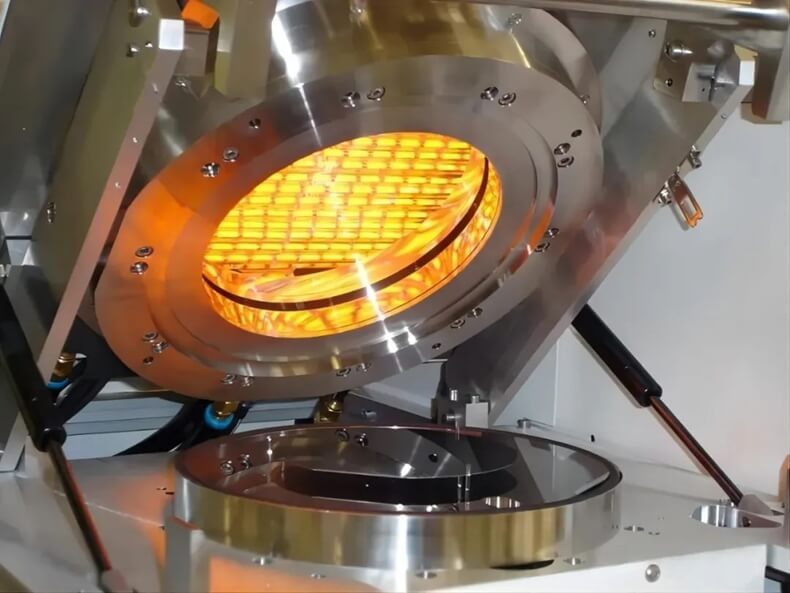
In a high-volume fab, a lamp blowing out is a nightmare. It’s not just about the downtime—it’s the mess. If an infrared tube bursts right over a wafer, you’re looking at glass shards and chemical gunk everywhere. That’s a ruined batch and a lot of swearing. We build our IR lamps to take the heat so you don’t have to worry about a total meltdown.
Dealing with the “Pop”
We use high-purity synthetic quartz for the envelope. Why? Because it doesn’t freak out when temperatures swing wildly. But we didn’t stop there. We added a shatter-resistant sleeve and a special coating. Think of it as a safety net. If the vacuum seal gives way, the filament stays put. Instead of a rain of debris over your tool, you get a contained failure. It’s the difference between a small hiccup and a disaster.
Heat, Stress, and the “Blacken”
When you push these lamps to the limit, they get incredibly hot. You’ve probably seen “end-blackening”—that’s when tungsten evaporates and cakes onto the quartz. Those dark spots create hot zones, and hot zones lead to cracks. To fix this, we tweaked the electrode chemistry. It stops the buildup, which means you aren’t replacing lamps every five minutes. **A quick heads-up:**If you’re running high-wattage shortwave lamps, your chassis is going to feel it. Double-check that your cooling manifolds can actually handle the heat you’re pumping out, not just what the manual says is the “minimum.”
Cleanroom Realities
Nothing kills a yield faster than particulates. That’s why we obsessed over the connectors. If a connection is loose, it arcs. Arcing creates dust. Dust creates defects. It’s a nasty cycle. We used materials that won’t off-gas when things get hot, ensuring the air stays clean and the electrical contact stays tight. It’s a simple drop-in replacement, but it’s built with one goal: keeping that wafer pristine, no matter what.