Keeping Your Class 100 Cleanroom Actually Clean
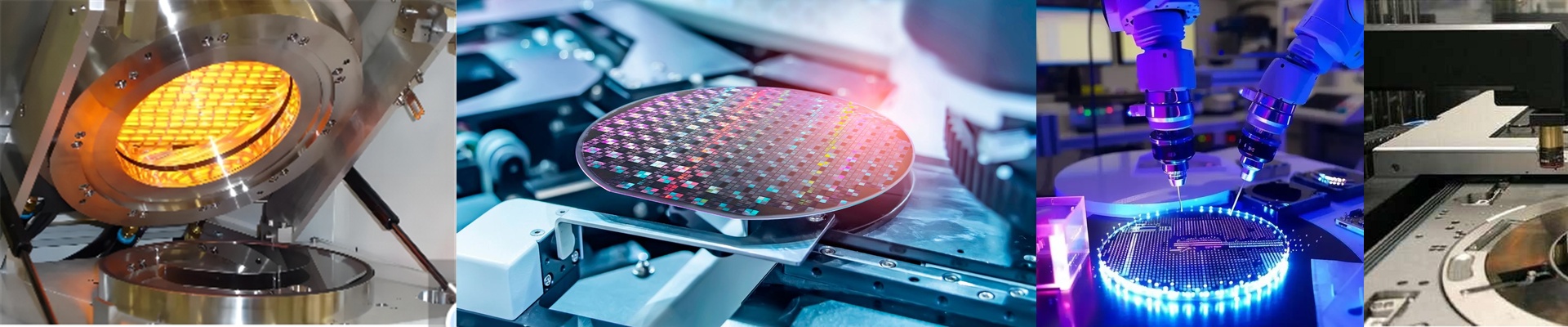
In a Class 100 environment, the stakes are ridiculously high. One tiny flake of skin or a stray speck of dust? That’s it. Your wafer is ruined, or your high-precision lens is scrap. The problem is that most heating elements aren’t built for this. They tend to “off-gas” or shed little bits of debris as they heat up and cool down. To fix that, we use high-purity synthetic quartz IR lamps. They’re built specifically for the fab floor.
Why the quartz matters
We don’t touch standard glass or the cheap stuff. We use fused silica with almost zero impurities. Why? Because when these lamps hit peak temperature, cheap materials “spit” metallic oxides. Not great when you’re trying to keep a substrate pristine. We chemically scrub every tube to get rid of any surface residue before we seal them up. You get a steady heat source that just… stays clean.
Power and Heat
These lamps are designed to pack a punch. Whether you’re using shortwave or medium-wave setups, we keep the wattage-to-length ratio very tight. Putting high wattage into a small footprint means you can ramp up the heat fast. This is a huge win because it keeps the surrounding equipment from soaking up too much heat. But here’s a heads-up: watch your power supply. These lamps pull a lot of current. If your wiring isn’t up to the task, you’ll get voltage drops. That leads to uneven curing, and nobody wants a workpiece that’s half-done.
Fitting them in
We use sealed end-caps so nothing escapes from the filament housing. They’re pretty much drop-in replacements for most fab-grade curing ovens. Now, there is a catch. High-purity quartz is a bit more brittle than toughened glass. It can’t take a hit. If you bump it or if there’s uneven thermal expansion during install, the tube can crack. Just make sure your mounting brackets are aligned perfectly. Don’t let them put any pressure on the quartz envelope, and you’ll be fine.