Why we’re swapping convection ovens for IR lamps in the cleanroom
If you’ve spent any time in a semiconductor lab, you know the drill with traditional convection ovens. You heat up the air, the air heats the part, and you wait. It’s slow. It’s a power hog. And honestly? It’s a nightmare for contamination. That’s why we’ve moved toward using bench infrared (IR) lamps. Especially now that everyone is pushing for lead-free and eco-friendly standards, the way we handle heat has to change.
Cutting out the middleman
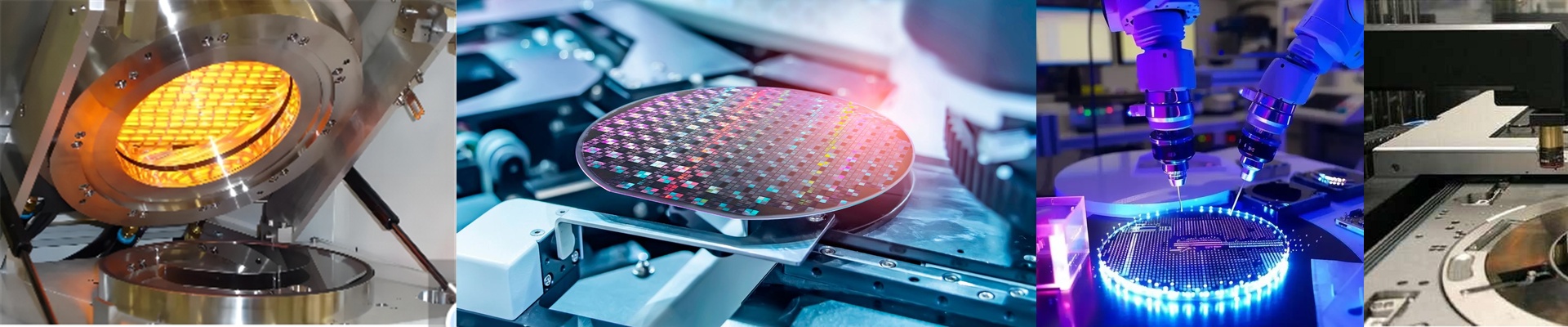
Think of it this way: convection is like trying to warm up a room with a space heater just to heat up a single cup of coffee. It’s a waste. IR lamps skip the air entirely. They send electromagnetic radiation straight into the substrate. We can actually target the specific absorption bands of your material, which means we aren’t wasting energy heating the machine’s chassis or the air around it. We’re just hitting the wafer. It’s lean, it’s fast, and it keeps the energy bill down.
Keeping things pristine
When you’re working with lead-free soldering, you don’t have much room for error. If you overshoot your temperature, you’ve just ruined your substrate. The beauty of IR is the speed. You can ramp up to your curing temp in a few seconds. But the real win is the cleanliness. We use high-purity quartz envelopes so nothing leaks out of the lamp into your environment. There are no combustion gases and no heating elements that flake off over time. For a cleanroom, that’s a massive relief. No flakes, no fumes, no stress.
The catch (because there’s always one)
Now, IR isn’t a magic wand. It’s “line-of-sight.” If your part has a weird shape or deep pockets, you’re going to deal with the “shadow effect.” Basically, if the light can’t see it, it won’t heat it. You’ll end up with cold spots. To fix this, you have to be really intentional about where you place the lamps and how you angle the reflectors. One more tip: don’t just plug these in and walk away. You need a solid PID controller. Because these lamps heat up so quickly, you can accidentally cause thermal shock if you don’t have a tight feedback loop. Get the controls right, and you’ve got a setup that just works.