Stop Turning Your Equipment Into an Oven
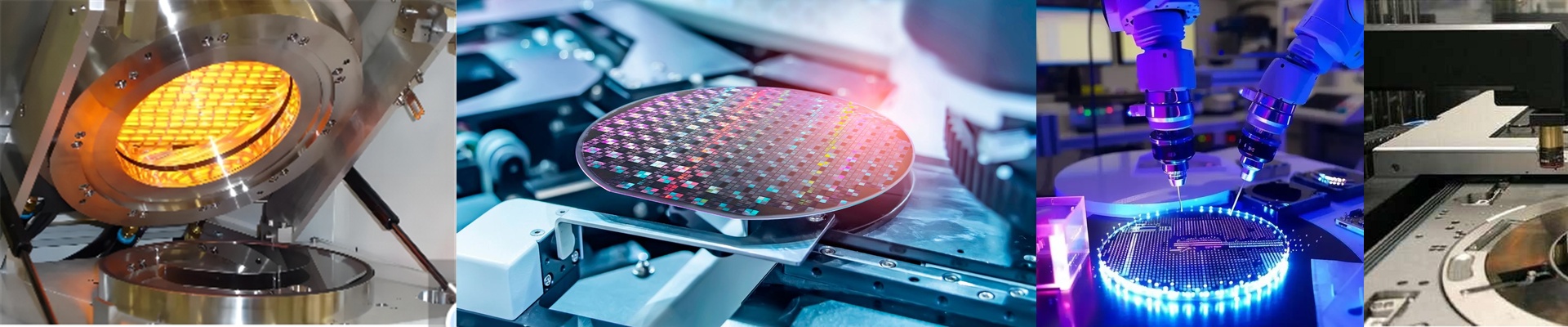
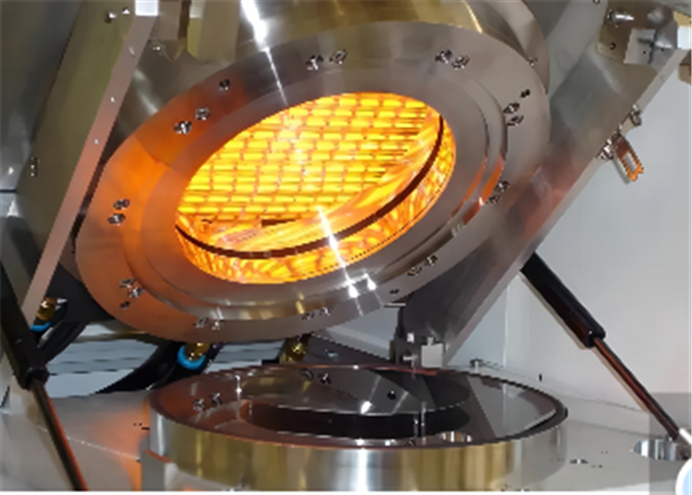
Let’s be honest: heating the wrong part of your machine is just a waste of money. And it’s dangerous. If you’re using standard IR lamps, you’ve probably noticed they throw heat in every single direction. It’s a 360-degree blast. Before you know it, the inner walls of your equipment are acting like giant heat sinks. The chassis gets too hot to touch, and you start worrying about the sensitive electronics sitting right next to the heat source. It’s a mess. Here is how we fix that. Instead of letting the heat wander, we use directional infrared technology. Think of it like a flashlight instead of a bare lightbulb. We use reflectors and selective emitters to push that thermal energy exactly where it needs to go—straight onto the sensor package. The result? You get the ramp-up speed you need, but the machine walls stay cool. The nitty-gritty stuff Depending on how much space you have, we pick lamps with specific wavelengths. We usually go with short-wave IR because it digs deep into the packaging materials. We also use quartz envelopes, mostly because they can handle the heat without breaking a sweat. But you have to be careful with power density. When you focus a beam this tightly, you create some seriously intense hot spots. If your conveyor is crawling or your PID loop is off, you’re going to scorch your sensors. You’ll also want to make sure your cooling system is beefy enough to handle that concentrated heat at the target point. Making it work in your shop Getting this into your existing rig is pretty simple. Since the walls aren’t radiating heat anymore, you can toss those bulky external heat shields in the trash. That clears up a lot of floor space. Plus, it’s just a better place to work. Your operators aren’t dodging hot surfaces, and your curing process stays stable. It’s the easiest way to stop paying to heat the inside of a metal box.