Stop Worrying About Wafer Contamination
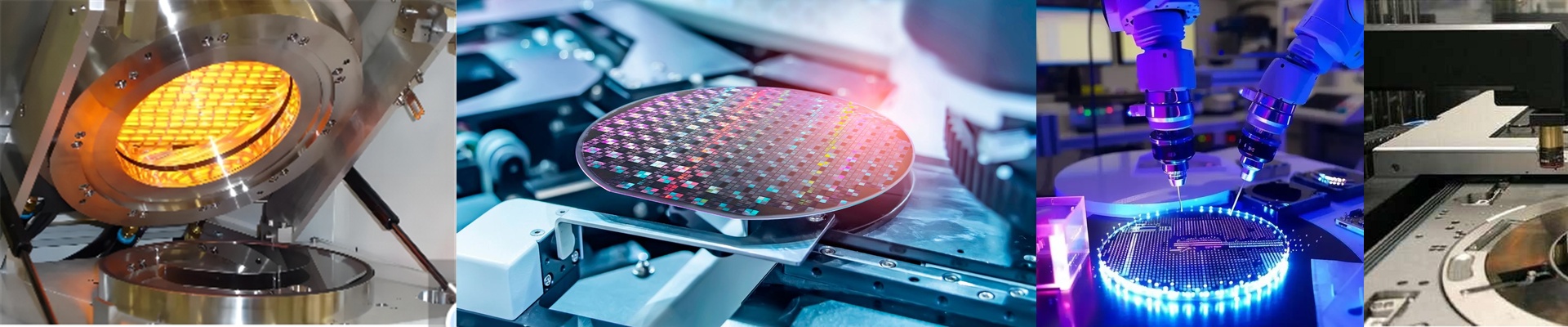
In a semiconductor fab, a lamp failure is a nightmare. It’s not just about the downtime—it’s the mess. When a quartz tube bursts during a high-load cycle, it sends debris everywhere, contaminating your wafers and wrecking your yield. We’ve been there. That’s why we built our twin-tube gold-coated lamps. The secret is in the layout. Most lamps put all the stress in one place. We split the heating element across two tubes instead. By spreading that thermal load, we stop any single spot on the quartz from getting overwhelmed. You still get the same total wattage, but because the surface area is larger, the glass stays cooler. It means you can ramp up the power without worrying about thermal shock snapping the tube. Then there’s the gold. It’s not for show. The gold coating acts like a mirror, pushing the IR radiation straight toward the wafer. Because the reflection is so efficient, you don’t have to crank the power as high to hit your target temperature. Running the lamps cooler does two things: it makes the filaments last longer and it keeps the risk of a blowout way down. Keeping things clean. Cheap lamps tend to flake or outgas. We use a vacuum-deposition process for the gold so it actually stays put, even when things get scorching. And if the worst happens and a tube does fail? The twin-tube setup keeps the “blast radius” small, so you aren’t scrubbing shards off your equipment for a week. A quick tip on the setup: Check your cooling fans. Make sure they’re actually rated for the wattage of these tubes. If your airflow is weak, heat builds up in the housing and kills the whole advantage of the twin-tube design. Keep your vents clear. And for heaven’s sake, use a stable power supply. Voltage spikes are the fastest way to pop a filament.