Stop Fighting the Ceiling: A Better Way to Heat Big Rooms
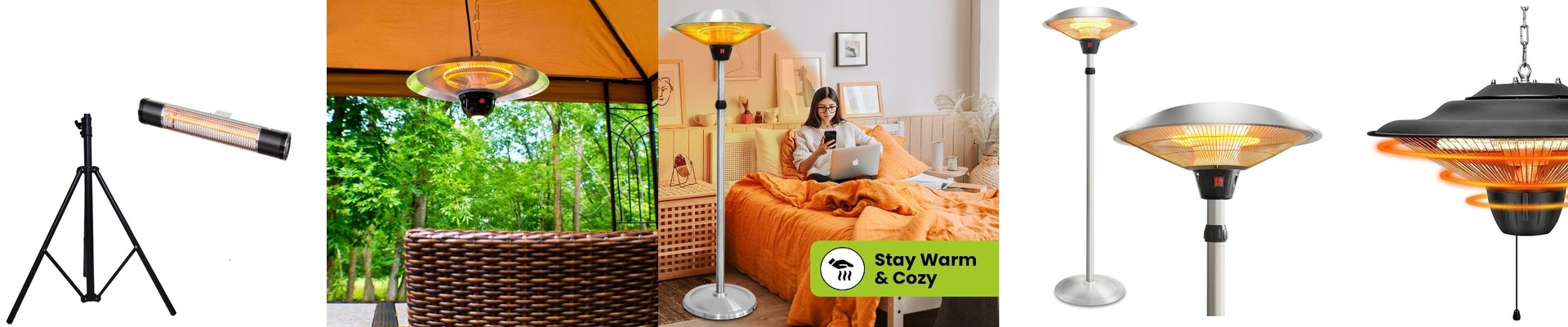
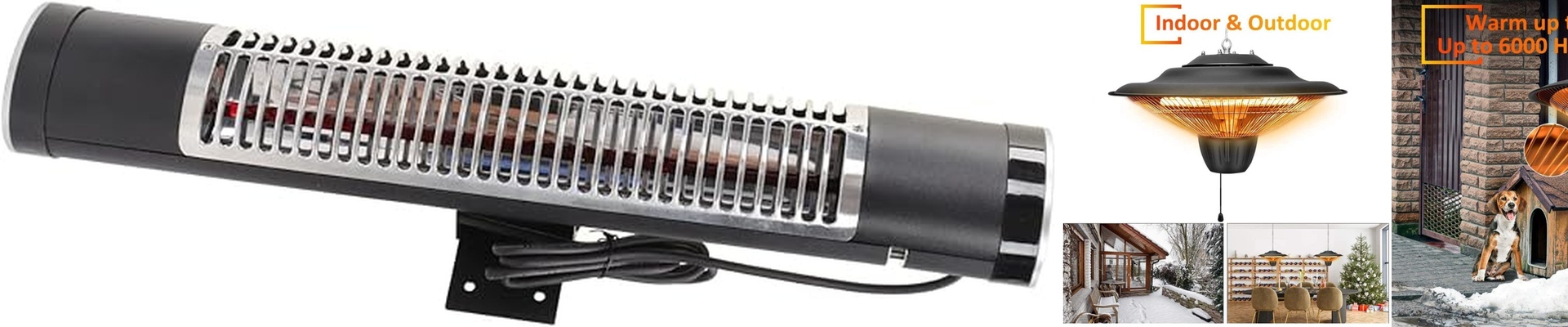
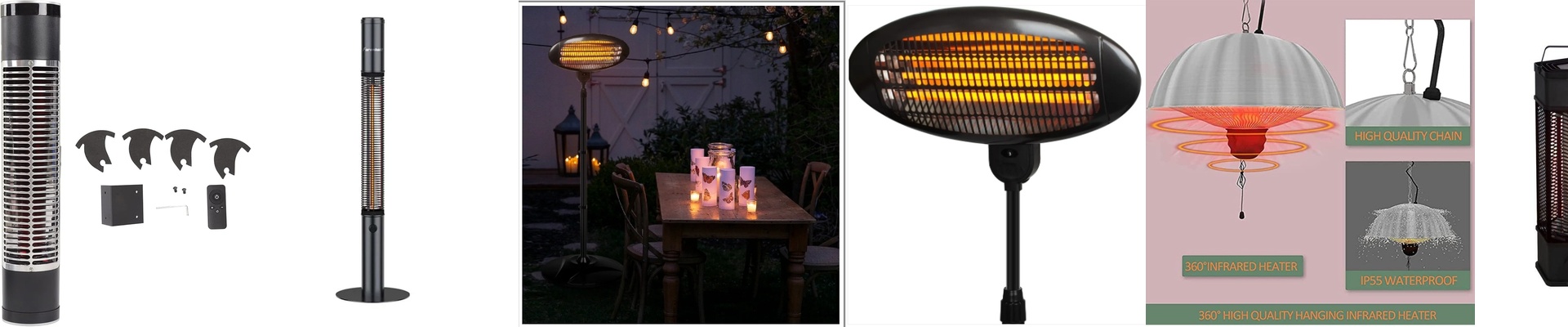
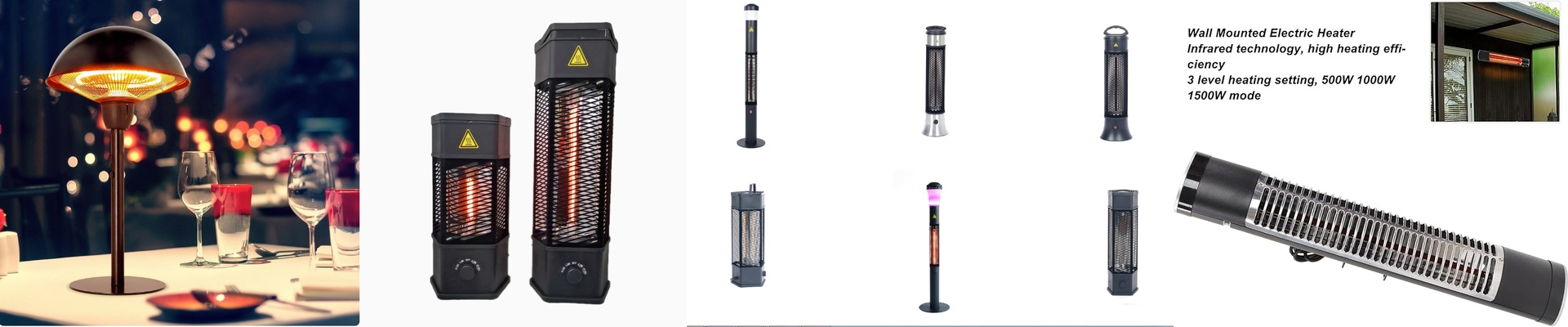
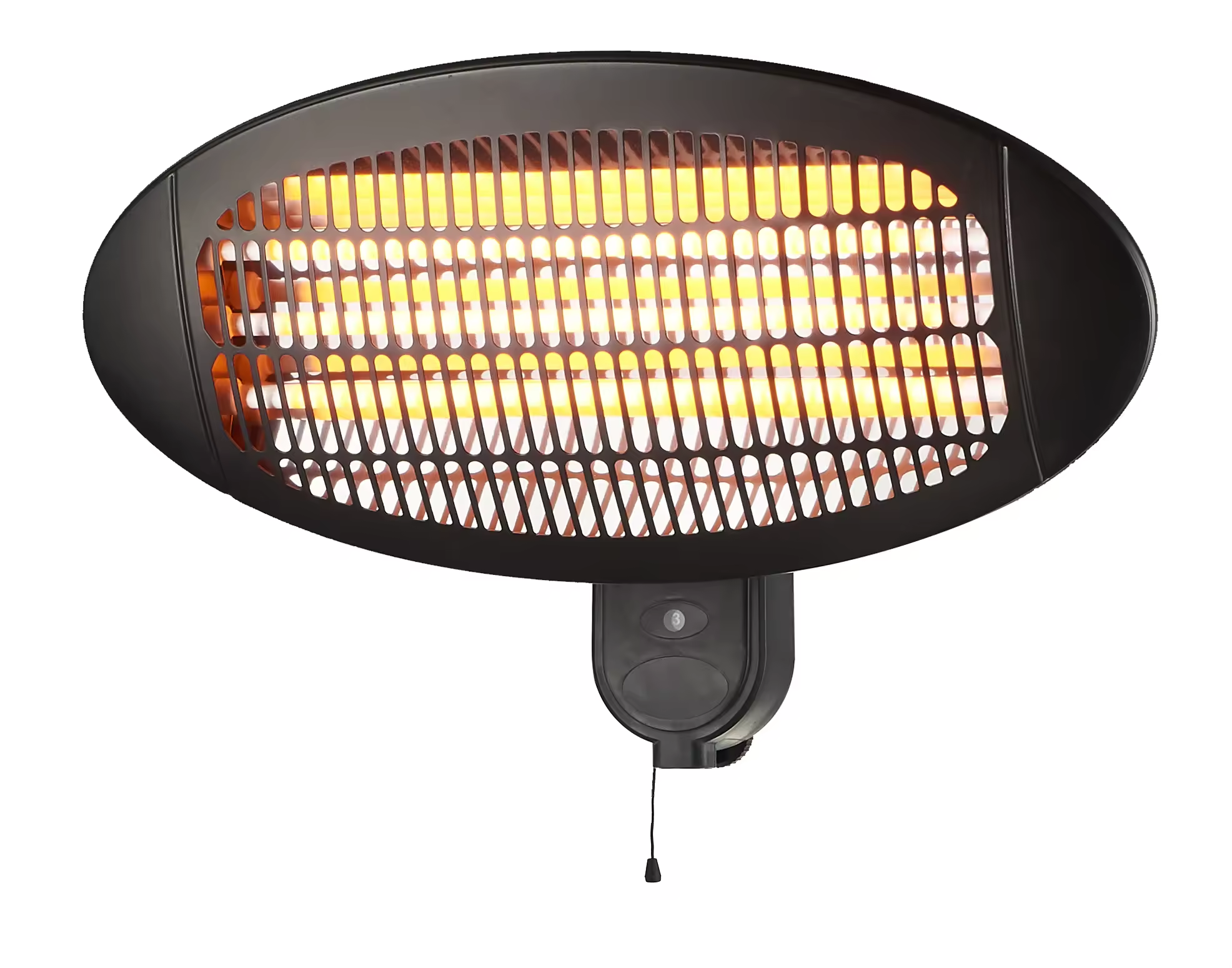
If you’ve ever stood in a luxury locker room or a massive sports complex, you know the feeling. You’re shivering on the floor while all the expensive heat is just… hanging out at the ceiling. It’s frustrating. Standard forced-air heaters are basically useless in these spots because heat rises. You end up paying to warm the rafters while the people actually using the room are freezing. We handle this differently. Instead of trying to warm the air, we use shortwave infrared (IR) emitters. Think of it like the sun. You can feel the sun’s warmth on your skin even on a freezing winter day because it doesn’t need the air to be warm to work. It just hits you. The “Instant” Factor Shortwave IR is fast. Really fast. Because it uses a higher frequency, the energy sinks deeper into whatever it hits. When we’re setting these up in rooms with 5-meter ceilings, we tweak the surface temperature and the focal length of the emitter. The result? You get a jump in temperature the second you step under the unit. No more waiting an hour for the room to “warm up.” Getting the Power Right To make this work, we use high-wattage quartz elements wired into industrial controllers. This lets us control how quickly the heat ramps up. Plus, because these emitters are so powerful, the units themselves stay small and out of the way, even though they can throw heat across a huge space. But you have to be careful with the math. If you go too low on the wattage, the heat will feel lukewarm by the time it hits the floor. Go too high, and you’ll create “hot spots” that feel like standing under a heat lamp at a buffet. We usually suggest zoning the emitters so the warmth feels like a consistent blanket across the whole room. The Reality Check Before you start drilling holes in the ceiling, there are two things you need to keep in mind. First, your electrical panel. These systems pull a lot of power when they first kick on. If you’re putting these into an older building, definitely check your breakers first. You don’t want to blow a fuse the moment the gym opens. Second, remember that IR is line-of-sight. If you put a tall locker or a partition wall right under a heater, the area behind it stays cold. It’s a shadow, but for heat. That’s why we always map out the room’s layout first. Once you know where the people—and the furniture—will be, you can bolt them in and forget about them.