Why IR Heating Beats Forced Air in the Cleanroom
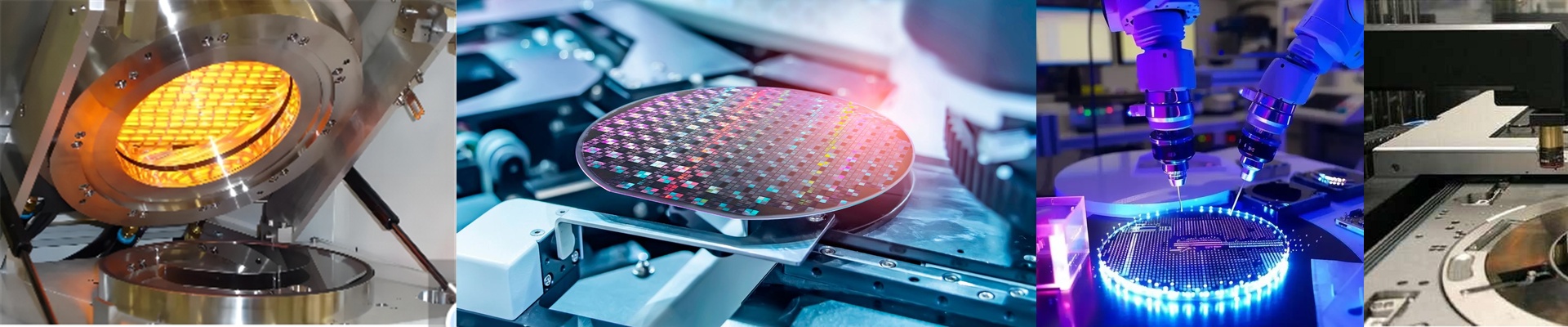
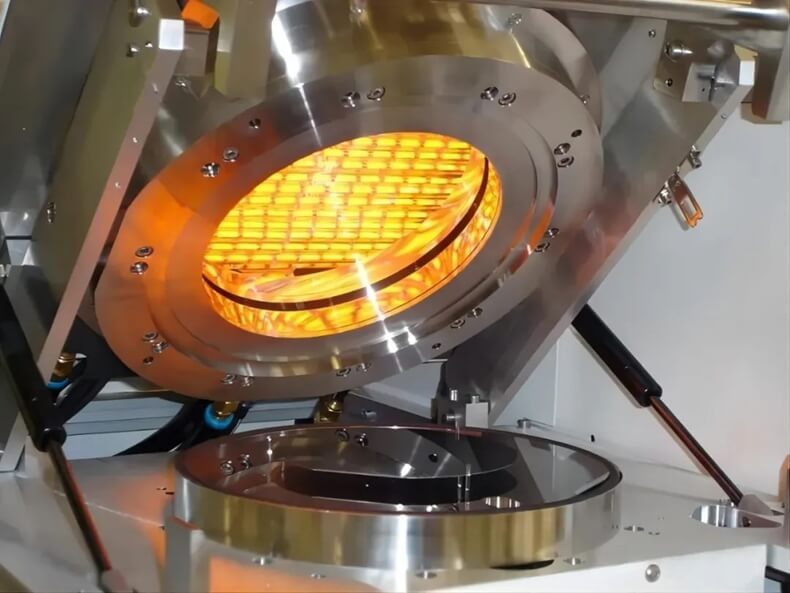
If you’ve spent any time in semiconductor processing, you know the pain of the heating bottleneck. Most of the old-school setups rely on forced air. You’ve seen it: those massive blowers cranking away, trying to push hot air around to hit a specific temperature. The problem? Air is just bad at moving heat. It’s slow. You end up sitting there for minutes, just waiting for the chamber to finally reach the set-point. It’s a waste of time. The physics of the wait Infrared (IR) heaters change the whole conversation. Instead of trying to warm up the air so the air can warm up the part, IR just hits the substrate directly with electromagnetic radiation. There’s no “warm-up” phase for the air. The energy transfer happens almost instantly. Plus, in a cleanroom, this is a huge win. You can ditch the giant ducts and the high-velocity wind. Forced air tends to kick up particulates, which is the last thing you want. IR stays still. You get a cleaner workspace and a ramp-up that actually feels fast. Making it work in your layout When you switch to IR, you’re basically cutting out the “time tax” on every single wafer. You can trigger heat pulses in seconds. It gives you a level of control over the thermal profile that air systems just can’t touch. It’s a lifesaver when you’re tight on space but need a ton of heat. But here’s the catch: IR is all about line-of-sight. If your part has weird geometry or deep pockets, the radiation won’t hit every spot evenly. You can’t just “blow” heat into a corner. You’ll need to be smart about where you place your lamps or use reflectors to bounce that energy into the shadows. The reality on the shop floor Swapping a forced-air oven for an IR array isn’t just about the power specs. It’s about how much stuff you can actually get through the door. You stop fighting air turbulence. You stop waiting around for the chamber to catch up. If you’re trying to scale up your output, there’s a reason IR has become the go-to. It just moves the heat faster.