Keeping Infrared Heaters Safe in Wet Spots
Putting infrared lamps in a steamy bathroom or a damp pergola sounds great until you realize you’re mixing high heat with water vapor. That’s a recipe for short circuits and leakage currents. When steam condenses on a heating element, it basically builds a bridge for electricity to go where it shouldn’t. To stop that from happening, we focus on two big things: the barrier and the seals.
Getting the Materials Right
Standard quartz tubes just don’t cut it in wet zones. We use specialized coatings or sealed envelopes to keep the live filament completely tucked away from the outside world. The goal is simple: keep the electricity inside the tube, no matter how much moisture is clinging to the surface. We put these units through some pretty brutal voltage tests to make sure the insulation doesn’t just snap under pressure.
The Danger Zone: Terminations
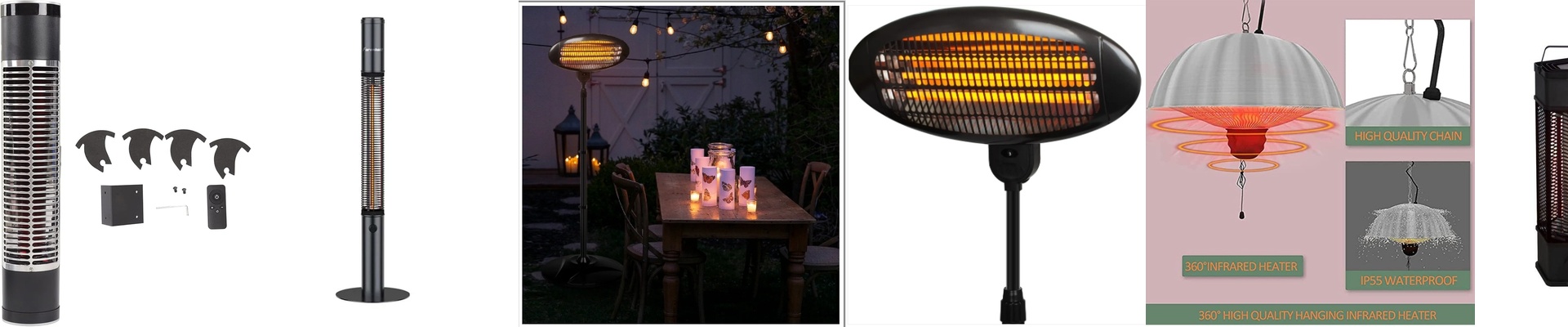
Here’s the thing: the most common place these heaters fail is right where the wire hits the lamp. In a humid bathroom, moisture loves to creep into those connectors. We’ve moved away from open-air connections. Instead, we use potted terminals or gaskets that are hermetically sealed. If you’re the one wiring these up,stick to IP65-rated housings. Even a tiny gap in the seal will let corrosion in, and before you know it, your contact points are burnt out.
The Honest Trade-offs
Now, there’s a catch. Heavy-duty insulation and waterproof boxes make the heater bulkier. You also lose a tiny bit of that direct heat because the protective layers block a small slice of the infrared waves. It’s a balancing act. If you go overboard with the waterproofing, you might actually trap too much heat around the internal wires, which can melt the cable insulation over time. Just make sure your ventilation is actually capable of handling the heat buildup.