Keeping Bathrooms Warm Without Blinding Your Guests
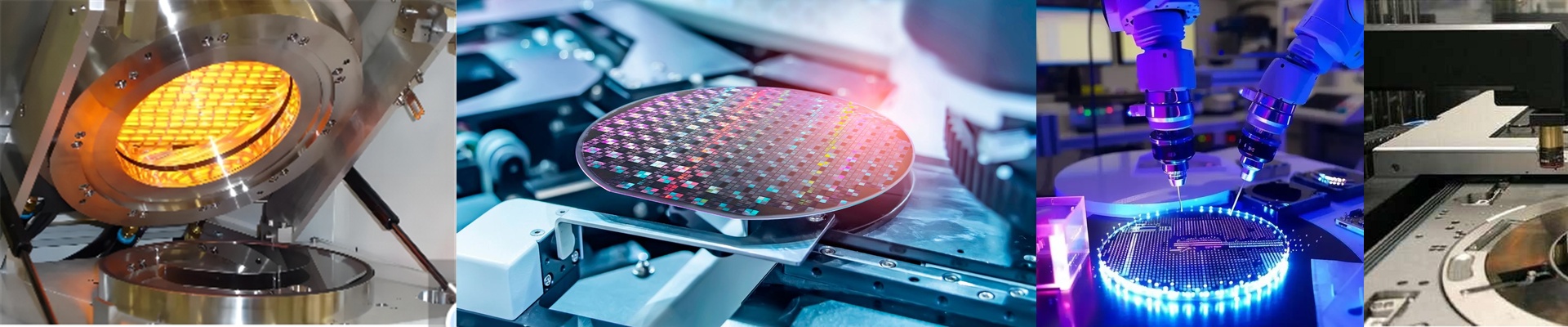
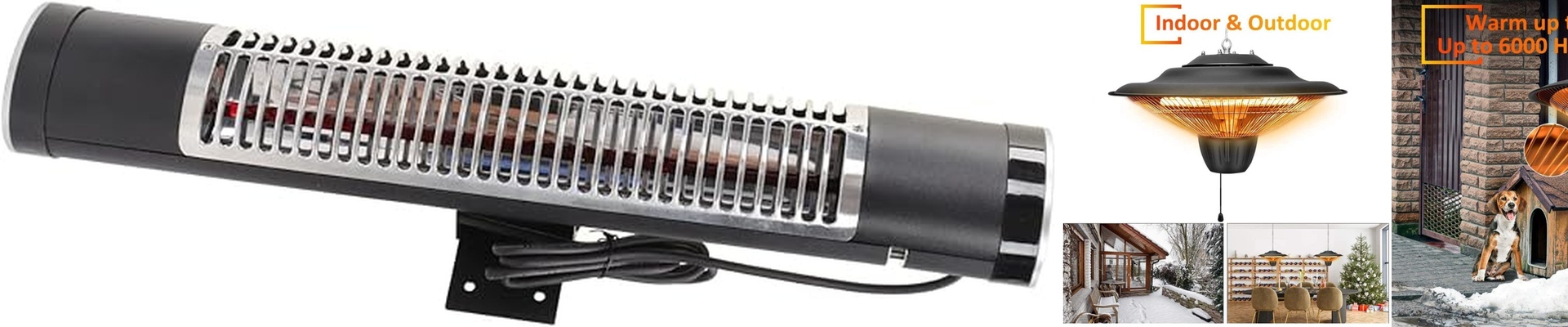
Designing a heater for a bathroom is a bit of a balancing act. You want it to be powerful enough to kick in the heat instantly, but you also have to deal with the chaos of a wet environment. That’s why we use an IP55 enclosure. It basically keeps the dust and water splashes from messing with the electronics. But honestly? The water isn’t the hardest part. The real headache is the light. Standard short-wave infrared lamps can be blinding. It’s a harsh, white glare that’s not just annoying—it can actually be dangerous for sensitive eyes, especially for babies. Dealing with the glare We solved this by tweaking the light spectrum. Instead of that raw, blinding flash, we use filtered quartz tubes and special coatings. The goal here is to kill the visible light but keep the heat waves. It means the warmth hits your skin, but your eyes don’t take a hit. You get all the cozy vibes without feeling like you’re staring into a spotlight. The build Everything is tucked into that IP55 chassis. We used tight gaskets and seals to make sure shower steam stays on the outside. Plus, we went with tempered glass and heat-resistant polymers so the thing doesn’t crack when it heats up and cools down over and over. A few things to keep in mind for installation Here is the thing: these units provide radiant heat. They don’t waste time warming up the air in the room; they warm you. Because that IP55 seal is so tight, the internal electronics don’t have a lot of airflow. This means you can’t just jam the unit into a recessed ceiling without any breathing room. If it’s too cramped, the drivers will overheat and the thermal cutout will trip, shutting the whole thing down. Give it some space. And one last tip: while we’ve softened the light, the heat is still very intense. Mount the unit at least 2.2 meters high. It keeps things safe and prevents any accidental skin burns for the little ones.