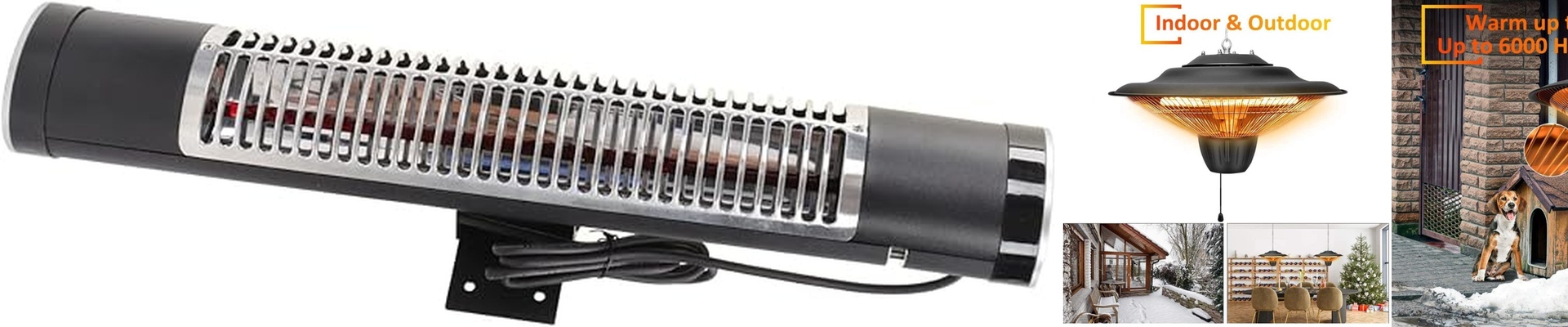

Why Your Bathroom Heater Doesn’t Just Explode
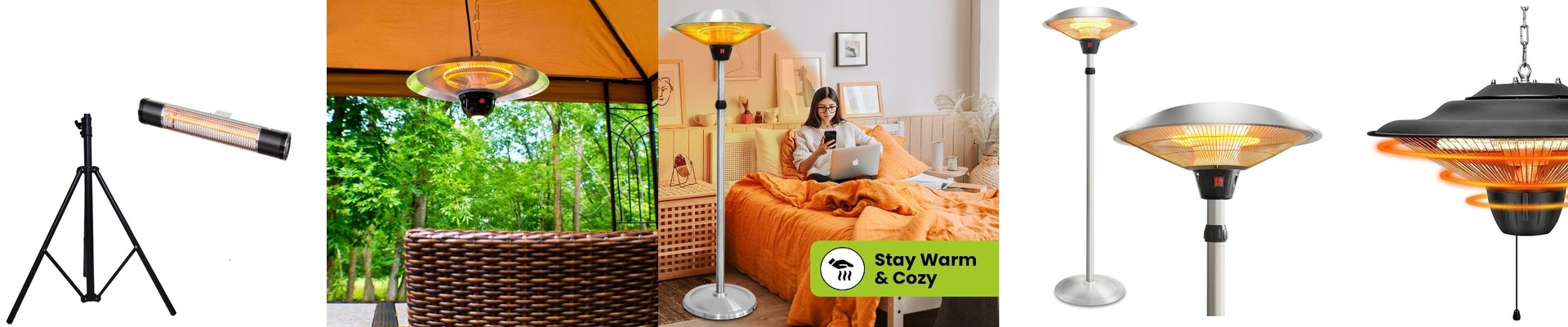
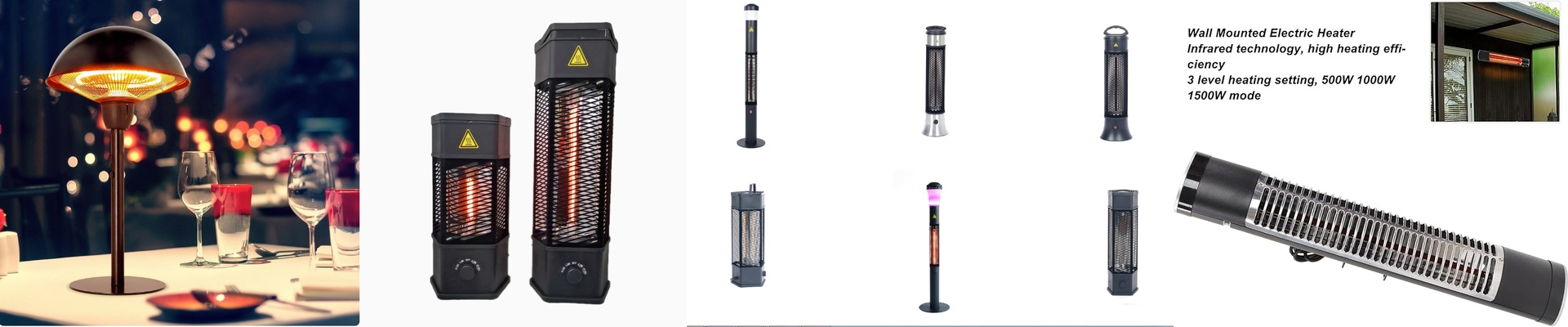
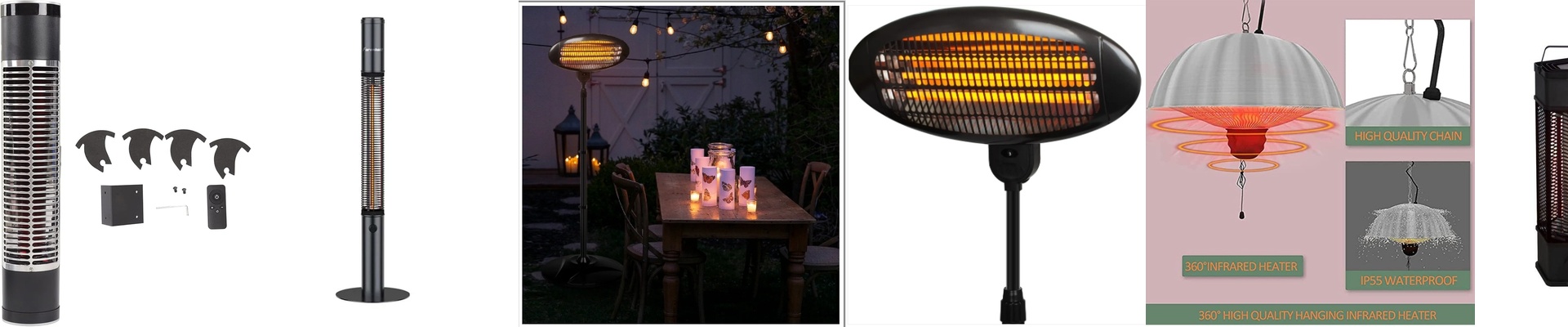
Let’s be honest: bathrooms are a nightmare for electronics. You’ve got steam everywhere, water splashing, and constant humidity. When it comes to staying warm, we go with infrared heating because it hits you instantly. It doesn’t waste time warming up the air; it just warms you. But there’s a catch. The glass tube is usually the first thing to give out. If you’ve ever dropped a cold drink into a hot pan, you know what happens. Standard quartz glass hates that kind of shock. One cold droplet hitting a scorching hot tube, and crack. That’s why we use explosion-proof quartz. Now, “explosion-proof” sounds a bit dramatic. It doesn’t mean the lamp is invincible. It just means that if the glass does break, it won’t shatter into a thousand tiny needles. Instead, it stays mostly together or breaks into dull chunks. It’s all about making sure you aren’t dealing with glass shards while you’re trying to enjoy a shower. Inside the tube, there’s a tungsten filament swimming in a halogen gas mix. This is a clever bit of chemistry that keeps the filament from wearing thin too quickly, so the bulb actually lasts. It packs a ton of heat into a tiny space, which is exactly what you need when you’re mounting things in a ceiling. Of course, the heat is only half the battle. We tuck everything into waterproof housings with tight seals. This keeps the moisture away from the electrical guts while the quartz does the heavy lifting of pumping out the heat. But it’s a balancing act. High-wattage lamps pull a lot of power. If you’re installing a few of these, you can’t just use any old wire—you need the thick stuff, or you’ll see a drop in voltage. And since these things get seriously hot, airflow is everything. If the ventilation is blocked, the whole housing can overheat. If that happens, those waterproof seals can start to degrade. It’s a simple trade-off: you want maximum heat, but you’ve got to give the unit room to breathe.