Getting Your Heat Right in a Smart Fab
If you’re putting together an Industry 4.0 smart Fab, you’ve probably realized that the old way of just “heating the air” doesn’t cut it anymore. You need something surgical. That’s why most of us lean on high-efficiency infrared (IR) systems. They hit the target directly, which means you aren’t wasting energy trying to warm up the entire room.
Let the Data Do the Heavy Lifting
In a modern setup, we don’t just flip a switch and hope for the best. We need the heat to talk to the PLC controllers in real-time. IR emitters are great here because they react almost instantly. You can tweak the power output the second a sensor picks up a change. It saves you from that annoying thermal lag you get with old-school ovens, and more importantly, it keeps you from accidentally frying your wafers.
The Nitty-Gritty of Semiconductors
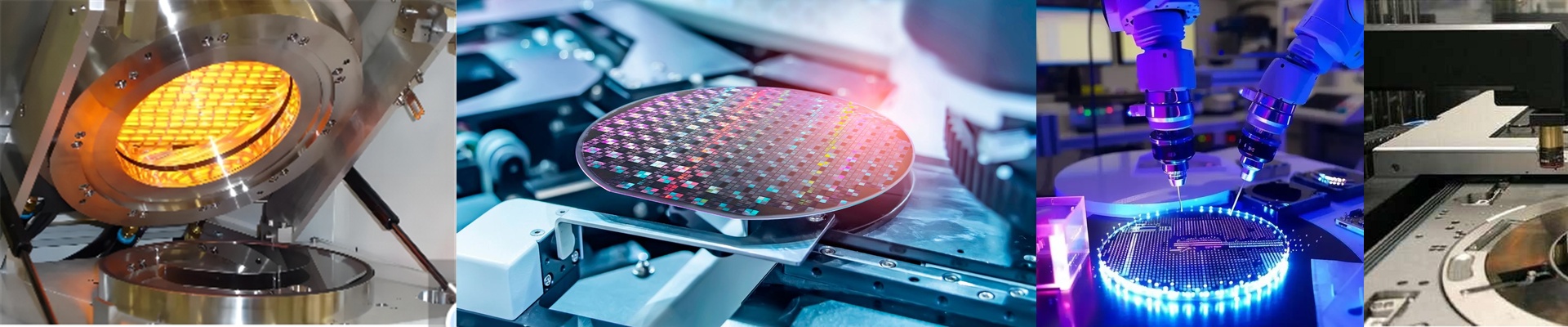
When you’re working with semiconductors, you need a ton of heat packed into a tiny space. I usually go with short-wave IR emitters. They dig deep into the substrate, making sure the core of the material hits the right temperature without scorching the surface. But be careful with your power supply. It has to be a perfect match for the emitter’s voltage and wattage. Here’s the catch: if you push high wattage through a narrow tube, the heat flux jumps. If your cooling manifolds aren’t sized right to handle that, your emitter will burn out in minutes. It’s a fast way to ruin your day.
The Trade-off: Precision vs. Upkeep
Using IR is a win for energy bills because you’re only heating the workpiece. But it’s not “set it and forget it.” Those high-output quartz lamps wear out. You’ve got to keep a close eye on the operational hours and swap the tubes before the output dips too low and messes with your process. One last tip: use shielded cables. If you don’t, the EMI will mess with your data sensors and give you ghost readings. Once you’ve got the wiring sorted and the PID loops calibrated, the whole thing just slots right into your workflow, replacing those clunky, inefficient thermal blocks.