Getting Your Smart Fab’s Heat Under Control
If you’re building a Smart Fab, you’ve probably realized that those old-school heating systems just don’t cut it anymore. You can’t run a high-tech, data-driven floor using legacy gear. You need something that actually keeps up. That’s where infrared (IR) comes in. It’s simply the fastest way to get a wafer up to temp, which makes it a no-brainer when you’re trying to tighten up your thermal profiling.
How IR Actually Works
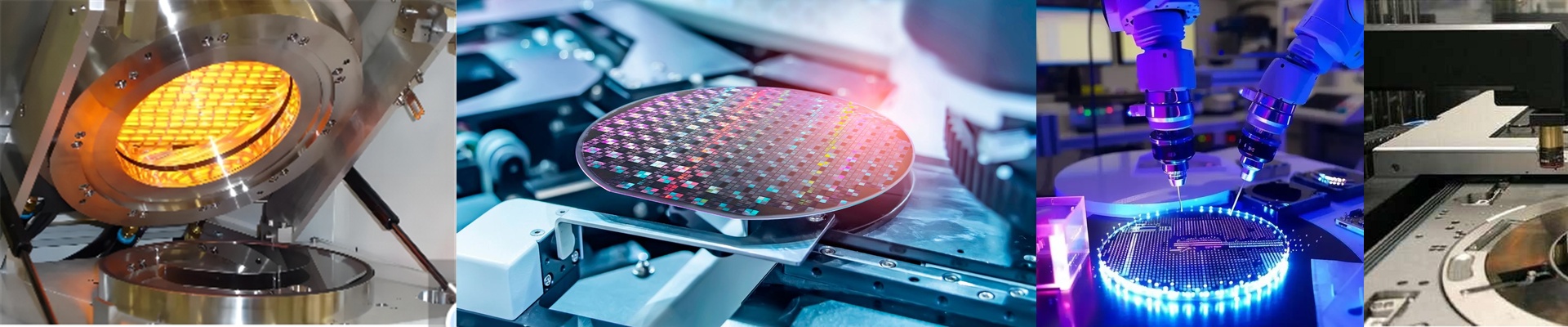
Here’s the thing: we use short-wave IR emitters because they don’t mess around. Unlike convection—which is basically just heating up the air and hoping for the best—IR sends energy straight to the wafer surface. No middleman. Because you aren’t wasting time heating up the entire chamber, the ramp-up is incredibly fast. You save energy, and you save time.
Making it “Smart”
When people talk about “digital integration,” it usually sounds like a sales pitch. But in the real world, it just means a feedback loop that actually works. We build these systems to talk directly to your PLC controllers. They watch the surface temperature in real-time and tweak the power using SCRs. The result? You can keep your temperature stable within ±1°C. It’s a huge relief because you don’t have to worry about wafers warping or uneven dopant activation. It just stays flat and consistent.
The Engineering Headache (And how to fix it)
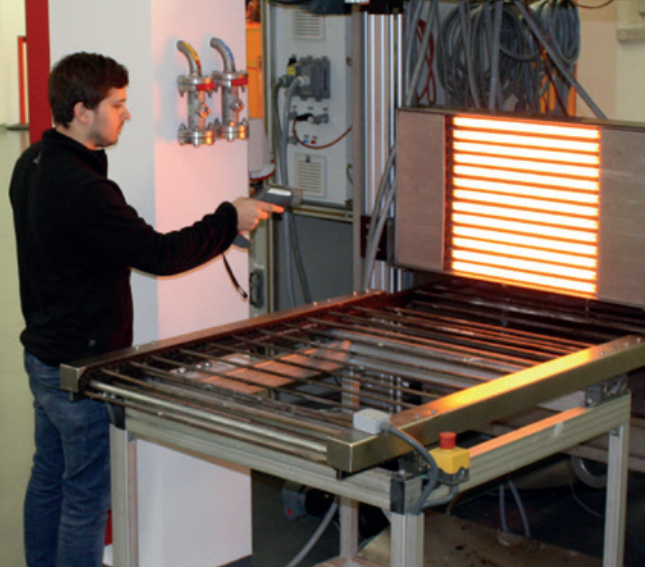
Now, it’s not all magic. High-density IR arrays put out a massive amount of heat. If you aren’t careful, that heat starts soaking into the rest of your chassis. If your cooling manifold isn’t ready for that kind of radiant load, you’ll start seeing your baseline temperatures drift. It’s frustrating. To stop this, we use mounts with low thermal conductivity. It basically puts a “wall” between the heater and the fab’s frame so the heat stays where it belongs.
Why Bother Switching?
Replacing those clunky resistive heaters with IR units does more than just speed things up—it clears up space. These are basically drop-in replacements. You can cut your warm-up times by 60%, which means your equipment spends less time idling and more time actually producing. For any engineer trying to modernize their process, it’s probably the easiest win you can get.