
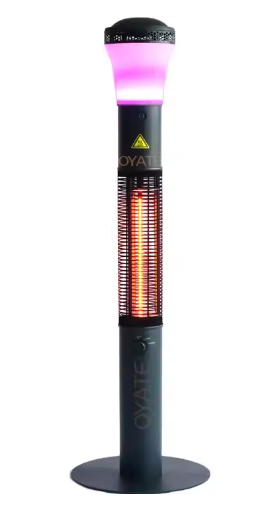
Why Most Outdoor Heaters Die (And How We Fixed It)
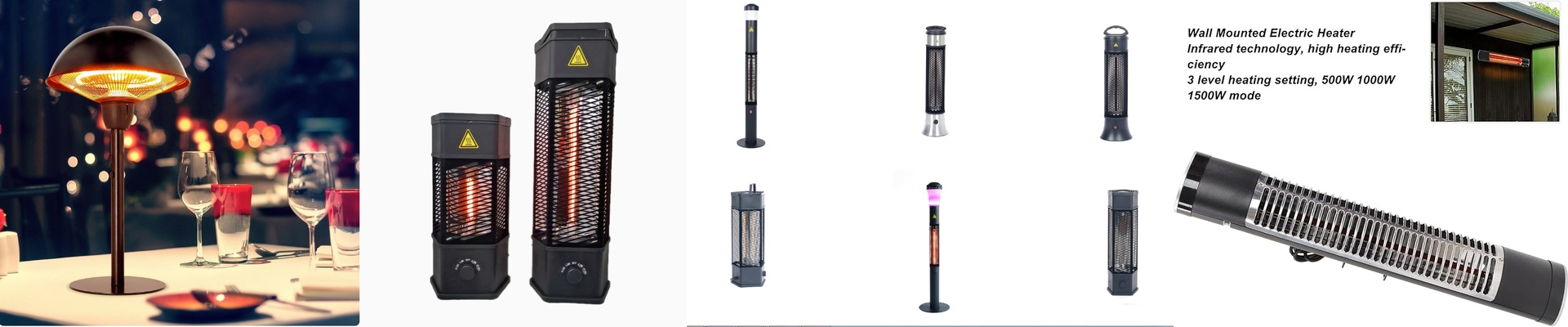
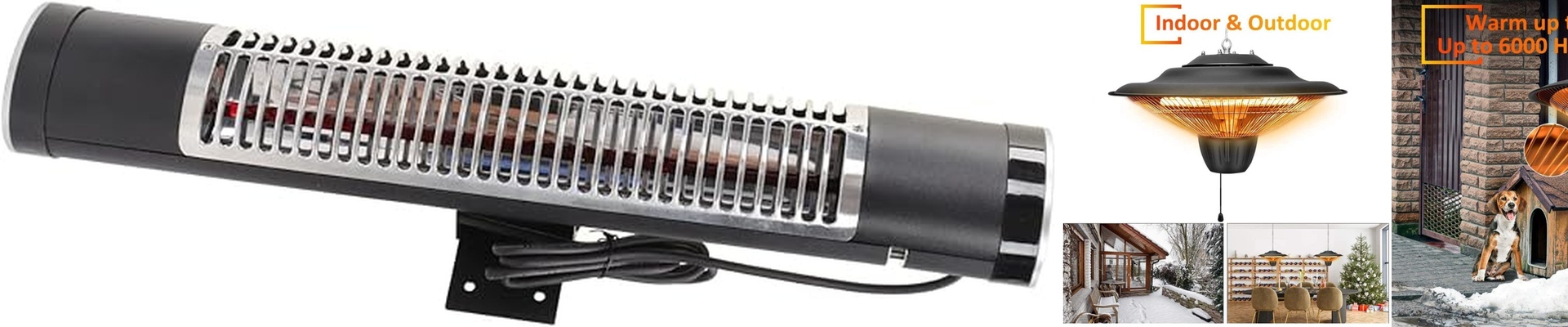
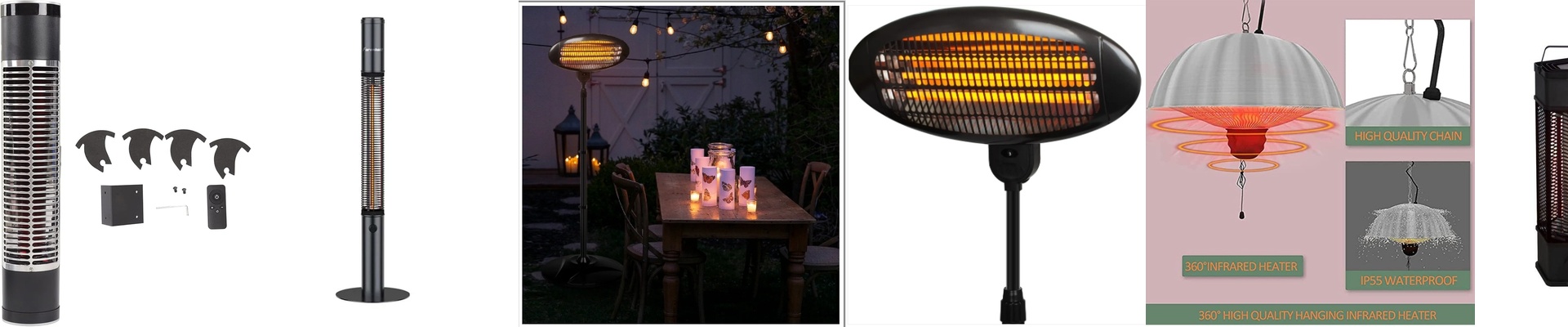
If you’ve ever put an infrared heater outside, you know the struggle. You’re basically fighting a war against humidity and rain every single day. Most units fail for the same reason: water gets inside the electronics, and that’s usually the end of the road. The problem with water and heat. Here’s the thing about heating elements. They get incredibly hot—we’re talking 600°C. If a tiny, cold drop of rain hits a tube that hot? Thermal shock. The glass cracks, the filament pops, and suddenly your heater is just a fancy piece of scrap metal. To stop that from happening, we focused on the chassis. We used splash-proof housing and tight gaskets to keep the guts of the machine bone-dry. We also tackled the fogging issue. When a reflector fogs up, the heat doesn’t push out properly. You end up wasting power and feeling a chill anyway. Keeping the rain out. We spent a lot of time obsessing over the seals, especially where the wires enter the unit and where the housing meets. We used high-temperature silicone because it doesn’t degrade under heat. It means no rain or mist leaking into the junction box. No short circuits. No nasty corrosion on the contact points. It just works. A quick heads-up on airflow. Now, there’s a trade-off. When you seal something this tightly to keep water out, you lose some of that natural airflow used to cool the internal electronics. Just make sure you don’t block the vents when you’re mounting the bracket. If you choke the airflow, the internal controller might throttle the power to keep itself from overheating. Give it some room to breathe. Set it and forget it. At the end of the day, a waterproof build means your halogen tube and reflector actually last. You won’t spend your weekends swapping out burnt-out lamps. These things are built to take a beating from the weather. Just wire them into a proper GFCI circuit, and you can stop worrying about the rain and actually enjoy your patio.