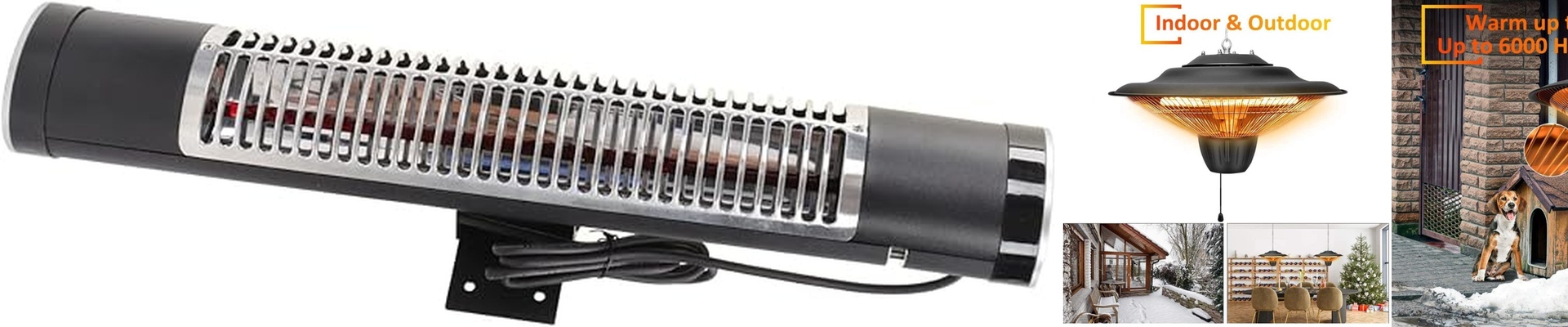
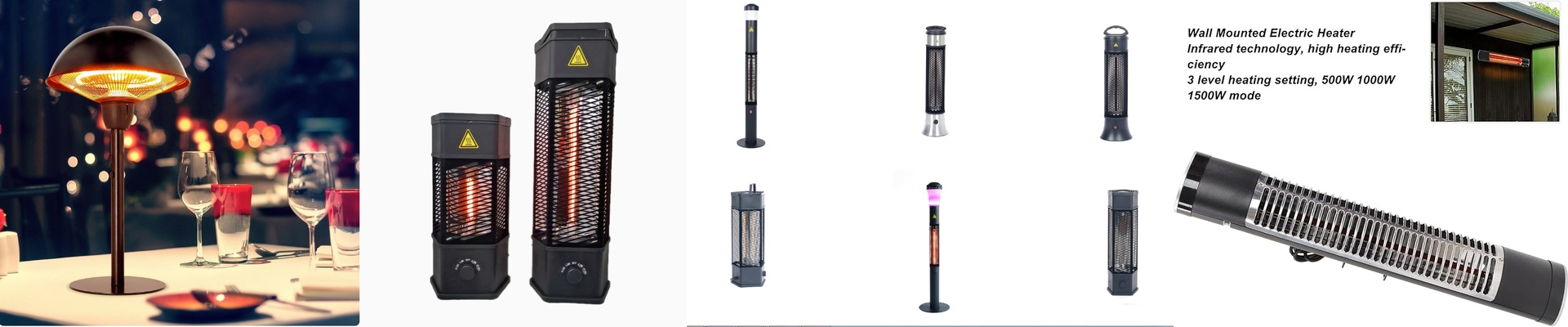
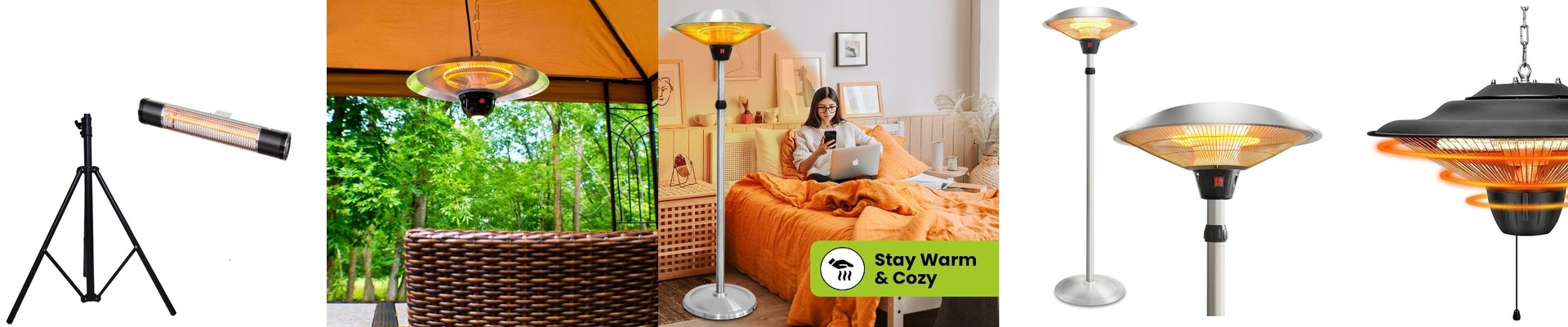
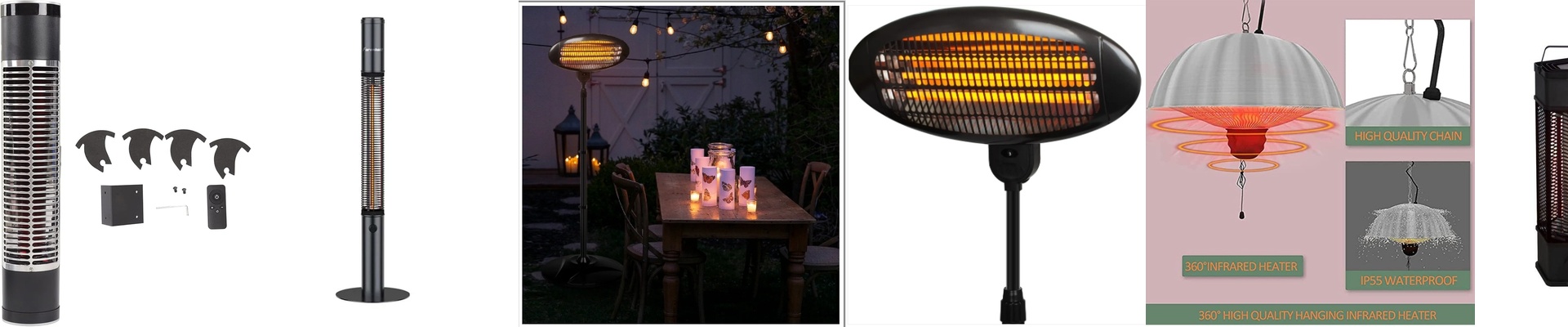
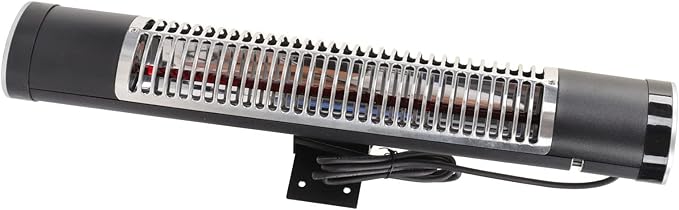
Every time a customer looks at your patio, shivers, and decides to eat inside (or go home), you’re losing money. It’s that simple. To stop that from happening, you need heat that actually works the second you turn it on, regardless of what the weather is doing. That’s why we use IP65-rated infrared heaters. Now, that sounds like a bunch of technical jargon, but all it really means is that these things are built like tanks. They’re dust-tight and can handle water jets. You can mount them right out in the open and not spend your whole night worrying that a bit of rain or snow is going to fry the circuits. Here is the cool part about how they actually work. Most heaters try to warm up the air. But if you’re outdoors, the wind just carries that warmth away. It’s a waste. These infrared units are different. They send out shortwave radiation—basically, they heat the people and the furniture directly. It feels like standing in the sun on a crisp autumn day. You flip the switch, and you feel the warmth instantly. Even if there’s a draft, your guests stay cozy because you aren’t trying to fight the wind. When it comes to getting these installed, we build them for the heavy lifting of a commercial space. We use industrial voltages to keep the current low, which stops the cables from getting too hot. You can put them on the walls or hang them from the ceiling. They don’t take up much space, but the heat reaches deep into the seating area. One quick heads-up:don’t just plug these into a regular wall outlet. If you hook up a row of 2kW heaters to a standard residential breaker, you’re going to trip it almost immediately. Make sure your electrical panel can actually handle the load before you start mounting them. At the end of the day, this is about your bottom line. If you can bump the temperature on your patio up by 5 or 10 degrees, people stay. They linger. They order that extra round of drinks or a few more appetizers because they’re comfortable. Sure, the hardware costs something upfront. But when you can use every single table you own all winter long? The equipment usually pays for itself in just a few weeks of peak season.