Why Carbon Fiber IR is the Secret Sauce for Smart Fabs
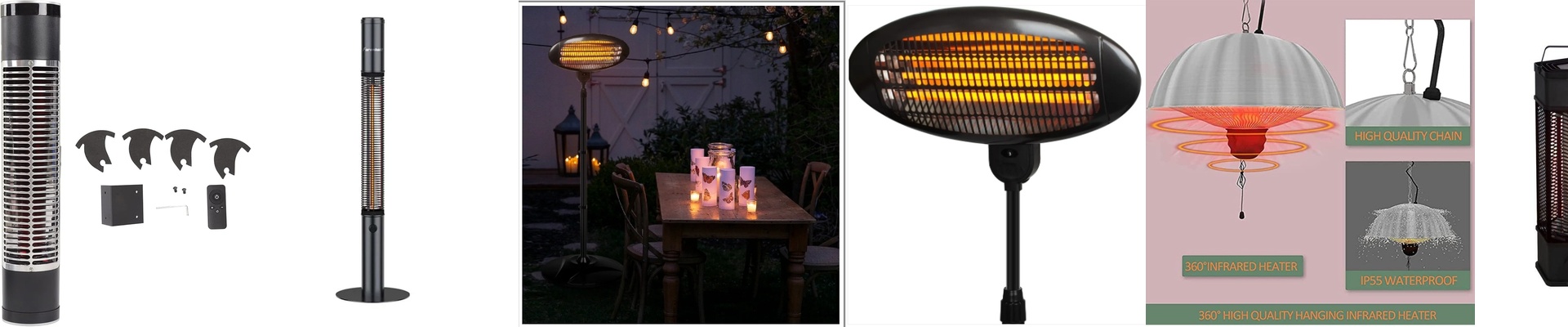
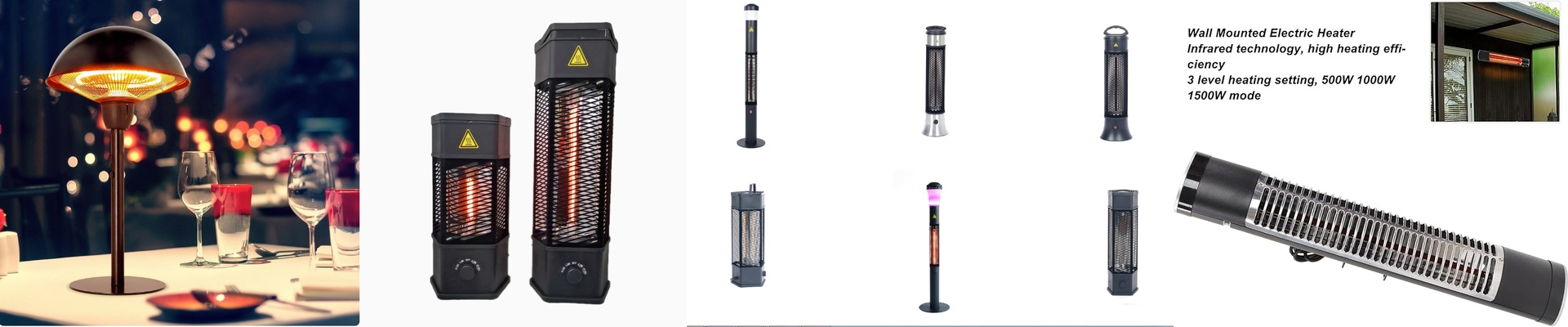
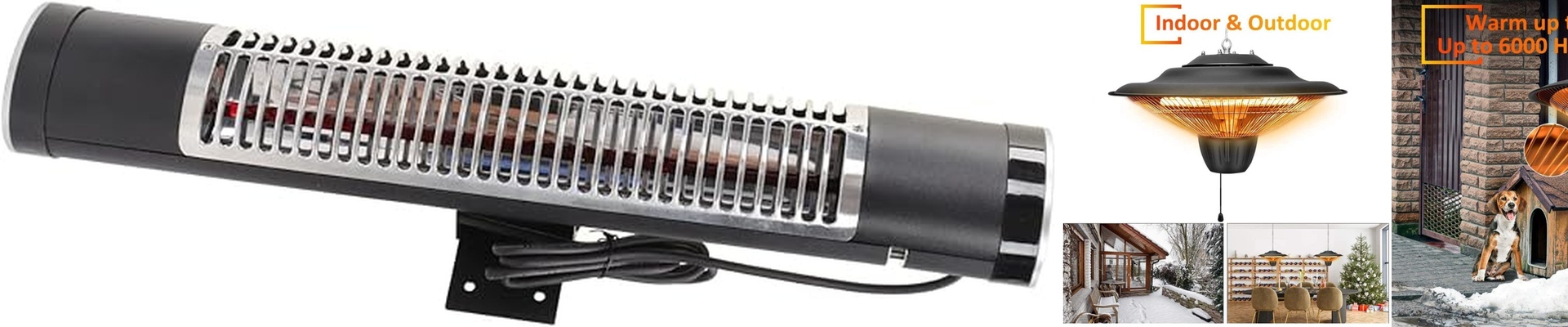
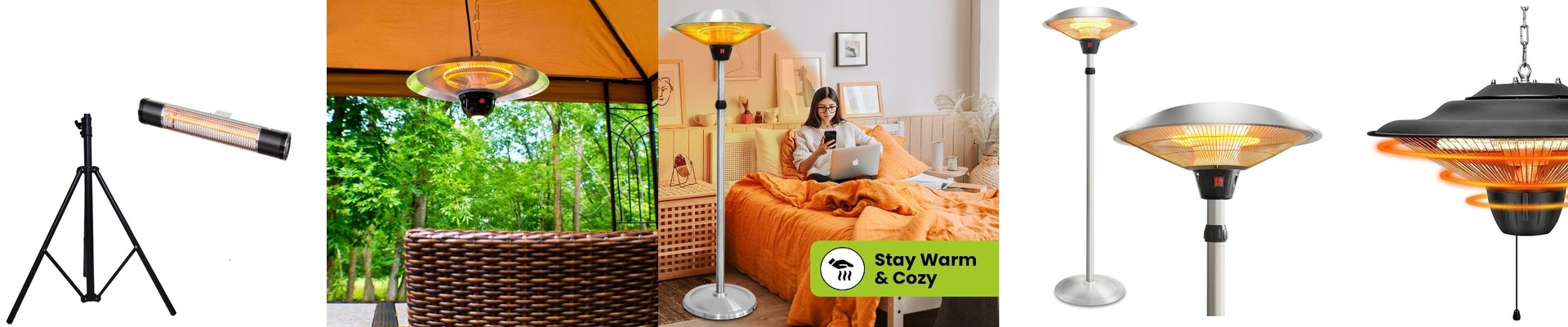
If you’re planning a new smart Fab, you probably know the drill. Everything has to be connected, fast, and precise. But here’s where a lot of people trip up: the heating. Most old-school heating elements are slow. They take forever to warm up and even longer to cool down. Plus, they don’t talk to your software very well, which makes creating a digital twin feel like a nightmare. That’s why we’ve moved to carbon fiber infrared (IR) lamps.
How it actually works
Think of standard metal coils like a space heater—they warm up the air, and then the air warms up your part. It’s inefficient. Carbon fiber is different. It sends heat straight to the substrate. No middleman, no wasted energy heating the air around it. The result?**It’s fast.**Really fast. Because you aren’t pumping unnecessary heat into the room, your cleanroom AC doesn’t have to work overtime to keep things cool. It just makes the whole environment feel more stable.
Getting your data in sync
A smart Fab is only as good as its feedback loop. If your sensors pick up a tiny temperature drift, you can’t afford to wait minutes for a convection oven to catch up. Our IR systems plug right into your PLC power supplies. We can tweak the power in milliseconds. It kills that annoying “thermal inertia” you deal with in traditional setups. You can map out exactly where the heat is going and make sure every single wafer gets the exact same treatment. It takes the guesswork out of the process.
A few things to watch out for
Now, it’s not all magic. High-density IR arrays pack a massive punch in a tiny footprint. You’ve got to make sure your wiring can handle the peak load. If your power distribution is weak, you’ll hit voltage drops. And be careful with the wattage—if you push it too hard without the right shielding, you might bake the sensitive electronics sitting nearby. We usually suggest pairing these lamps with closed-loop PID controllers. It stops the temperature from overshooting the mark. Switching to direct IR heating basically turns your thermal process from a blunt instrument into a precision tool. It just makes your layout cleaner and your life easier.