Why We’re Swapping Hot Air for IR in Bio-Sensor Labs
When you’re building bio-sensors, the curing and drying stages are where things usually get tedious. For years, the standard has been hot air circulation. But honestly? It’s a slog. The problem is that air-based systems spend way too much time heating up the empty space around the sensor before the sensor itself actually gets warm. It’s a waste of time and energy. That’s why we’re moving toward infrared (IR) lamps.
The “Waiting Game” Problem
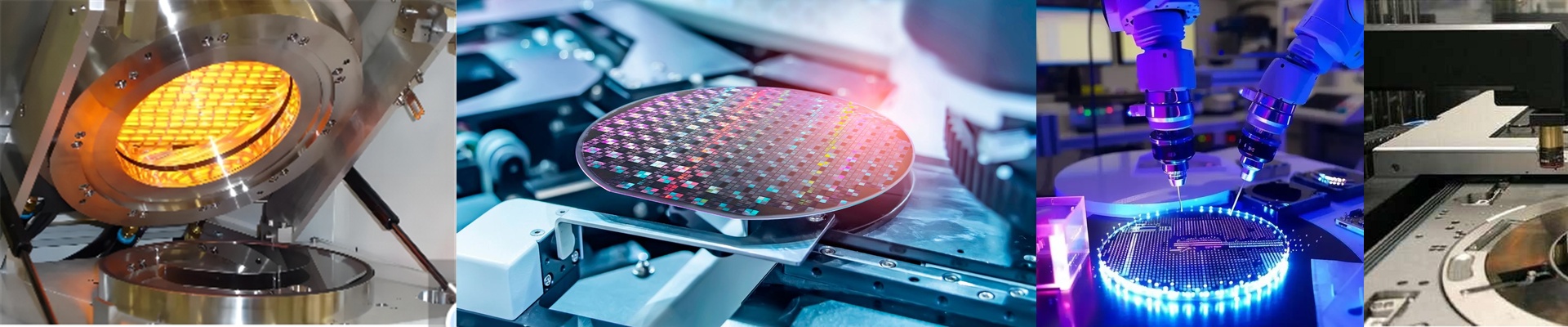
Think about how hot air works. You have to heat the air, and then the air has to heat the sensor. It’s like trying to warm up a room with a space heater before you step inside—there’s this massive lag. IR is different. It’s radiant energy. The photons hit the substrate directly. In the world of semiconductor processing, this is a huge win. You aren’t sitting around waiting for a chamber to “soak.” The ramp-up is almost instant. Plus, since thin-film bio-sensors are incredibly delicate, getting them in and out of the heat faster means those organic layers don’t have time to burn or degrade.
Saving Floor Space
One of the best parts? Your footprint shrinks. You can ditch the massive blowers and the clunky ducting needed to push hot air around. Instead, you just wire the lamps directly over your conveyor belt. Simple. Now, you can’t just blast them with max power. If you cram too much wattage into one spot, you’ll get hot spots that warp the substrate. It’s all about finding that sweet spot between how the lamps are spaced and how fast the conveyor is moving.
The Catch (Because there’s always one)
IR is fast, but it’s directional. Unlike hot air, which wraps around a part like a blanket, IR only heats what it can “see.” If your sensor has a complex 3D shape, you’re going to have “shadows” where the heat doesn’t hit. We usually fix this with reflectors to bounce the energy into those hidden nooks. And here is the most important part: you have to nail your cooling zones. Because IR delivers such concentrated energy, the parts stay hot. If you don’t pull that heat out quickly after the IR zone, the residual warmth can drift and mess up your sensor’s calibration. You’ve got to cool it down fast to lock everything in.