Drying Wafers Without the Waste
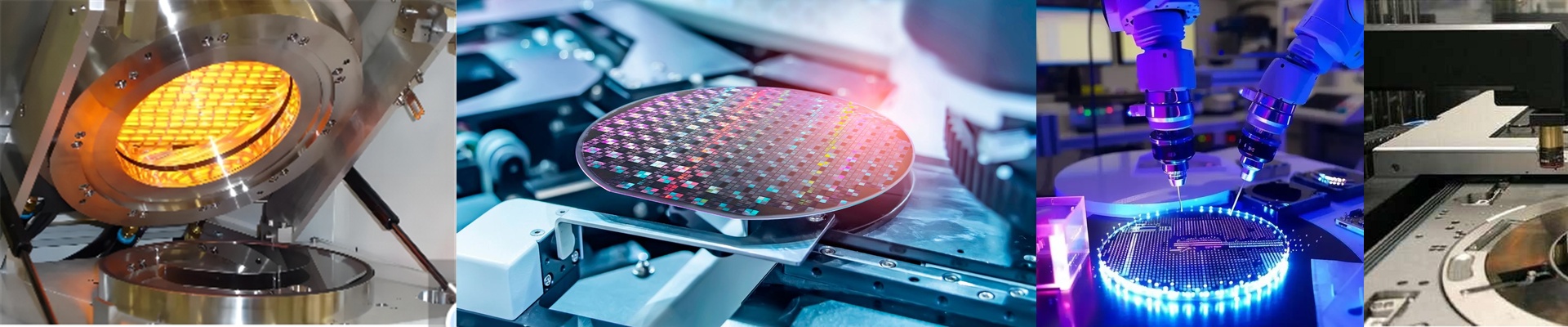
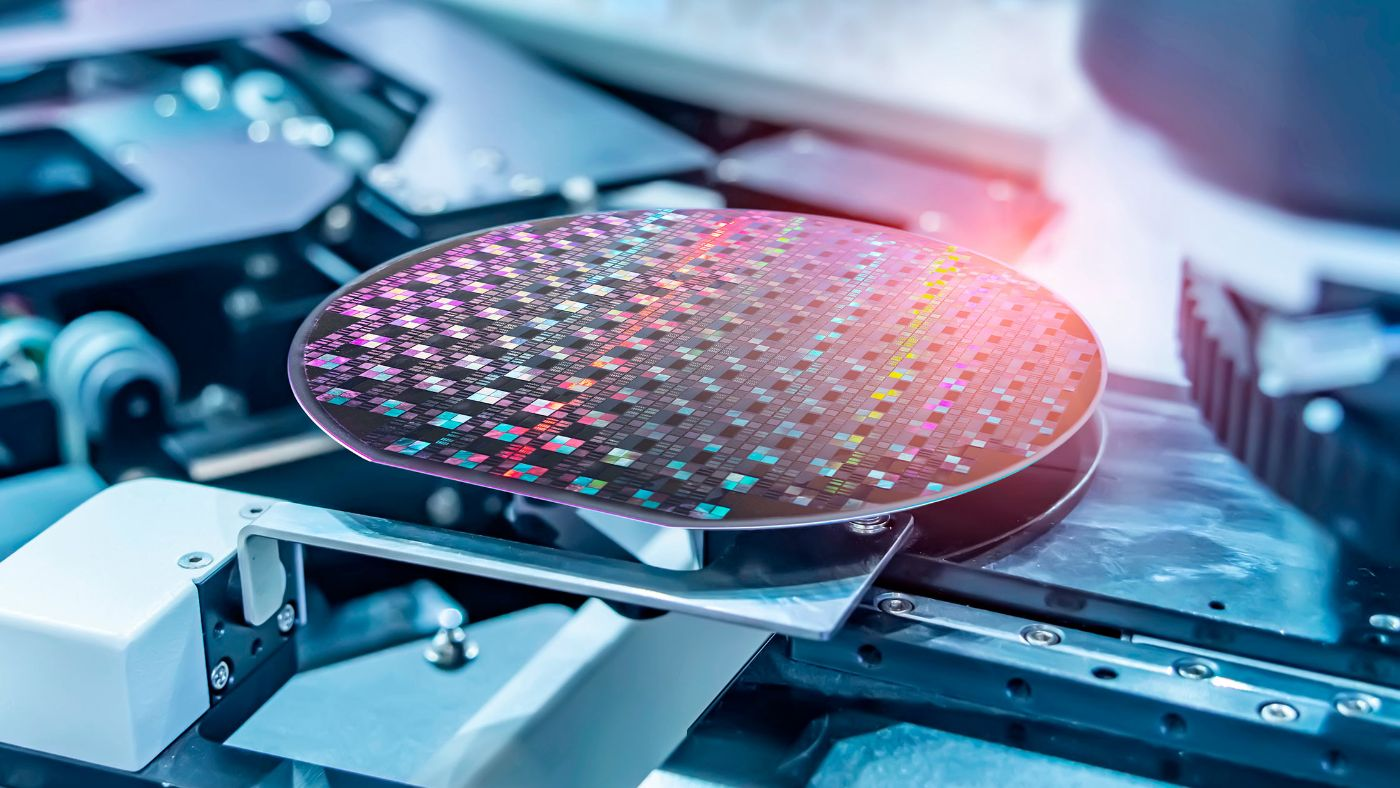
Let’s be honest: old-school convection ovens are a bit of a nightmare for modern semiconductor fabs. They’re bulky, they gulp energy, and they just don’t fit with the move toward lead-free, eco-friendly standards. That’s why we’ve moved to waterproof infrared (IR) lamps for the rinse stage. Instead of trying to heat up a massive volume of air—which is basically a waste of electricity—these lamps go straight for the liquid. It’s a much smarter way to work. How it actually works Think of it this way: hot air is slow. IR radiation is different. It uses electromagnetic waves that dive right into the rinse liquid on the wafer, making the water molecules vibrate and vanish almost instantly. Now, because these lamps live in a high-humidity environment, we can’t just use any bulb. We use sealed quartz envelopes and moisture-resistant terminations. If we didn’t, the filaments would oxidize and burn out in a matter of days. Nobody wants to be replacing lamps every Tuesday. Doing right by the planet Most traditional drying setups rely on fossil fuels or giant HVAC systems that eat power for breakfast. IR lamps run on electricity. If you’re plugged into a renewable grid, your carbon footprint basically disappears. Plus, there are no nasty VOCs or chemical solvents floating around. It’s just clean energy doing the heavy lifting. The tricky part It’s not all plug-and-play, though. High-intensity lamps are great for keeping the line moving fast, but that heat is intense. If the lamp is too close to the wafer, you risk thermal stress on the substrate. You have to get the gap exactly right. A little calibration goes a long way in making sure you don’t overheat the silicon. Saving your floor space The best part? These systems have a tiny footprint. You get the same drying power as a massive convection tunnel, but it takes up a fraction of the room. That means more breathing room in your cleanroom and way less headache when it comes to piping your rinse water. It’s a simple, electrical fix for a messy chemical problem.