Why we use Infrared Curing for Biosensors
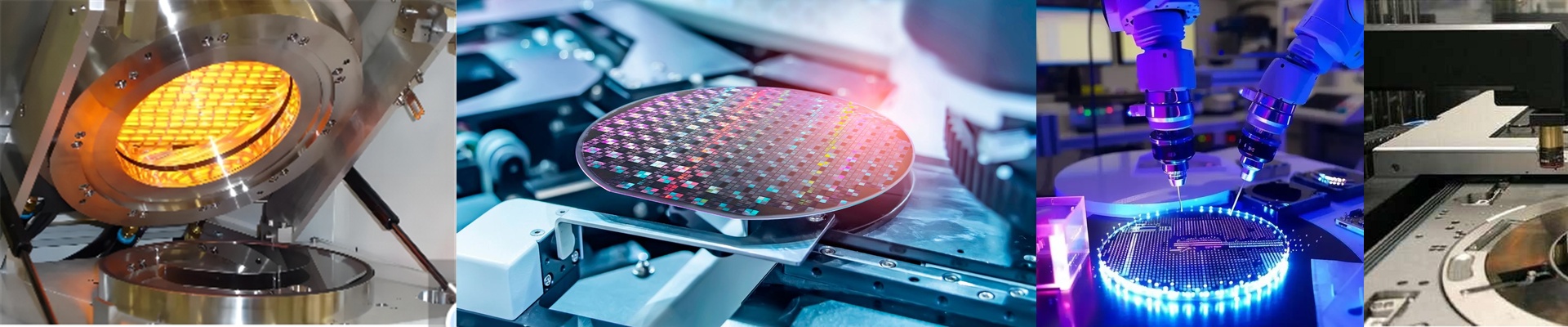
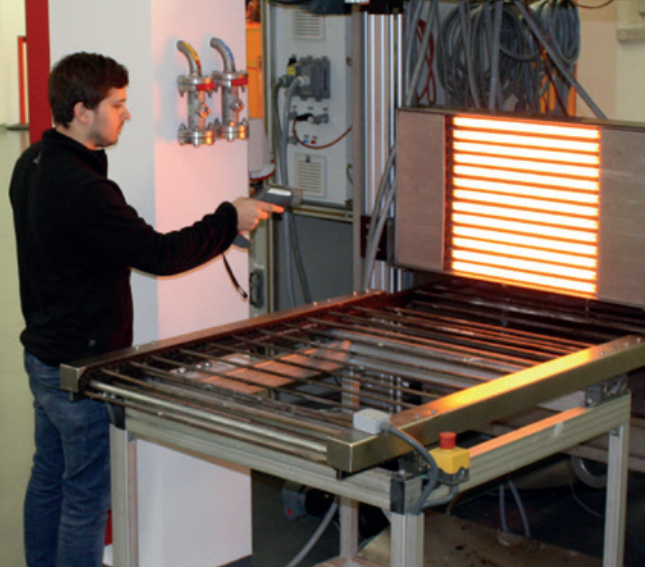
When you’re building biosensors, the thermal processing part is a bit of a tightrope walk. You need to cure your polymers and bonding agents, but you can’t afford to mess up the substrate. That’s why we use IR lamps. Instead of blowing hot air around, these lamps use radiation to move energy. It means we can ditch the forced-air systems and chemical solvents that usually leave annoying residues all over the wafer. The problem with old-school ovens Standard drying ovens are basically big hot boxes. They heat up the entire room just to get the product warm. In a lead-free line, that’s a nightmare because cross-contamination happens way too easily. IR emitters are different. They’re closed systems. No combustion gases, no weird fumes—just clean heat. It’s a much kinder way to handle fabrication, and it actually fits with the “green” direction the whole industry is heading. Getting the heat where it matters We set these lamps up to pack a lot of punch into a tiny space. By tweaking the wavelength—usually leaning toward short-wave IR—the heat sinks into the biosensor layers almost instantly. It’s fast. Really fast. Because the ramp-up is so quick, you aren’t wasting power. You get your parts through the line faster without needing a massive, power-hungry preheat oven taking up half the room. The catch (because there’s always one) Now, this isn’t a “set it and forget it” kind of tool. The heat is aggressive. If your substrate is too thin, or if your timer is off by just a few seconds, you’re in trouble. You could warp the sensor housing or literally burn right through the organic layers. It happens. To stop that from happening, you have to pair the lamps with solid PID controllers and thermocouple feedback. You need to know exactly when to stop before you overshoot the temperature. The bottom line Moving to IR means we stop relying on heavy-metal catalysts and messy solvents. It keeps the cleanroom air actually clean and knocks a chunk off the energy bill. For anyone trying to hit global environmental specs without slowing down production, this is the way to do it.