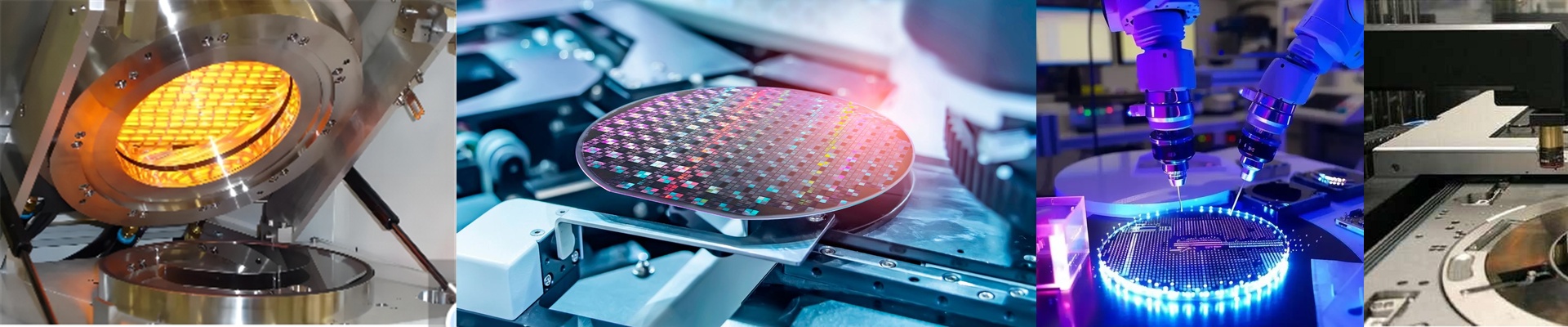
A Better Way to Dry MEMS Wafers
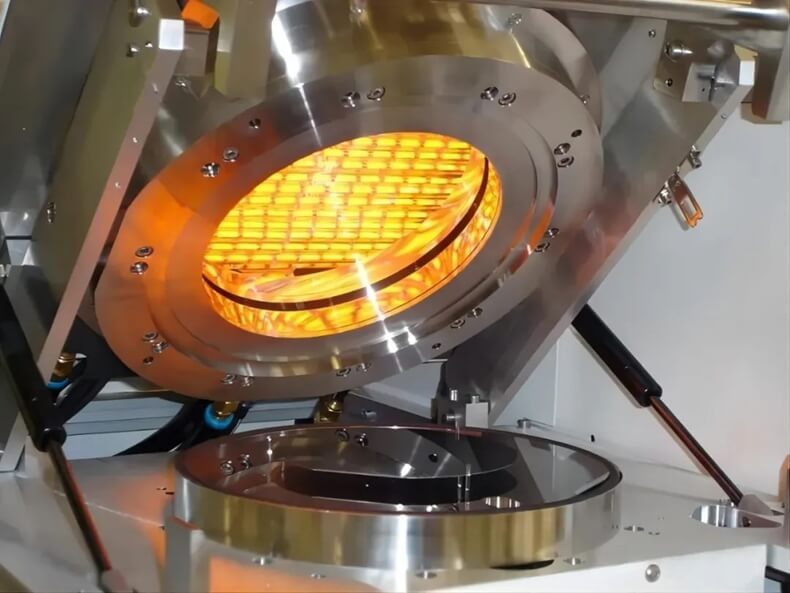
Let’s be honest: drying MEMS sensor wafers is a pain. You need the moisture gone, but you can’t leave any residue behind, and you definitely can’t stress the material with wild temperature swings. For a long time, we just threw them in convection ovens and hoped for the best. But there’s a much smarter way. We’ve shifted to short-wave infrared (IR) heating. Instead of heating up a giant chamber of air just to dry a tiny wafer, IR goes straight for the water molecules. It’s cleaner, faster, and way more efficient. Speed and Power The difference in speed is wild. We’re talking about dropping your cycle times from minutes down to seconds. Because the heat flux is so concentrated, it hits the wafer surface and gets to work immediately. Plus, your electricity bill will thank you. You aren’t wasting kilowatts heating empty space. If your fab is chasing those green certifications or trying to hit carbon neutrality goals, this is one of the easiest wins you can get. The Gear Under the Hood We build these heaters with high-purity quartz envelopes. Why? Because they can handle the shock of rapid heating and cooling without cracking. We also coat the lamps to tune the emission spectrum. This ensures the heat is hitting the wafer at the exact wavelength needed to kick the water off. Setting it up is pretty straightforward. You can plug these into your existing layout using standard industrial connectors. But here is a heads-up: these lamps pack a lot of punch. You need to make sure your cooling manifold is up to the task. If your heat exchangers can’t pull that ambient heat away from the electronics, you’re going to fry your components. What This Actually Changes Once you make the switch, you can get rid of those massive air-handling units and loud, high-pressure blowers. Your floor space opens up and your power draw drops. There is one catch, though. Distance matters. If the lamp is too close to the wafer, you’ll get hot spots, and that’s a recipe for disaster. To fix that, we suggest using a closed-loop PID controller. It keeps the surface temperature steady within a $\pm 2^\circ\text{C}$ window, so you can sleep easy knowing your wafers are safe.