Why we switched to IR for growing Carbon Nanotubes
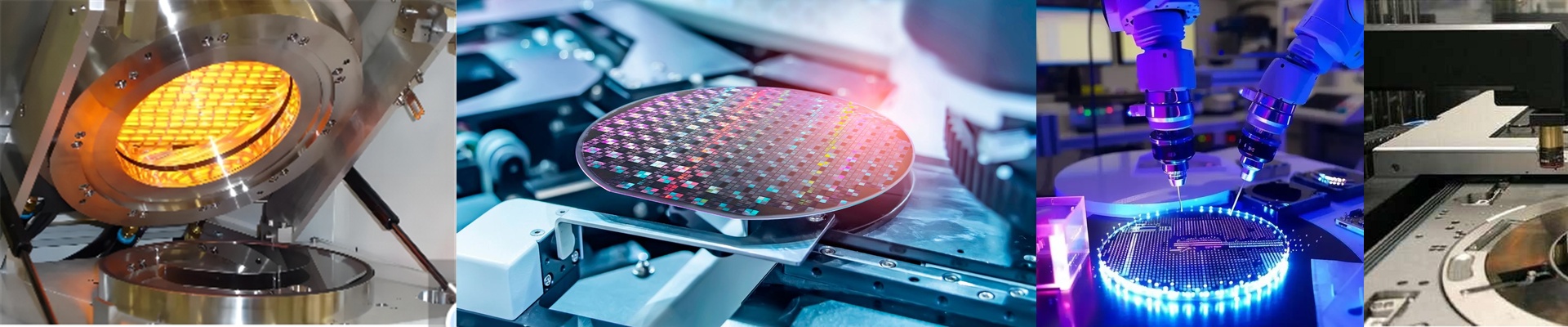
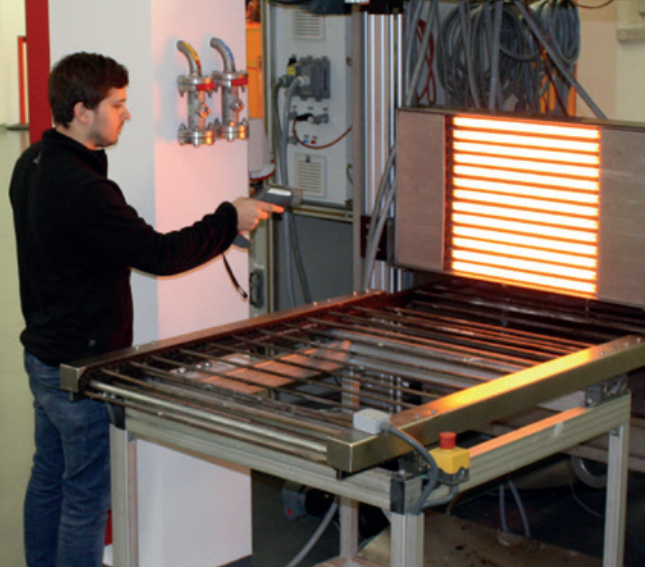
If you’ve ever worked with CNT fabrication, you know the struggle. You need the heat to be perfect—not “close enough,” but exact—or the whole batch is junk. For a long time, everyone just used those massive resistive furnaces. But honestly? They’re energy hogs. You spend half your power just heating up a giant metal box and the air inside it before the substrate even feels a thing. That’s why we moved to shortwave infrared (IR) heating. Getting the heat where it actually matters The beauty of IR is that it doesn’t care about the air. It sends radiant energy straight to the target. It’s fast. Really fast. Instead of waiting around for a chamber to soak in heat, we can hit our temperature setpoints almost instantly. This means we aren’t burning through kilowatts of power just to keep a room warm. We put the energy exactly where the nanotubes are growing and nowhere else. The gear we use We stick with quartz-halogen lamps. Why? Because they can handle the stress. When you’re cycling temperatures rapidly, cheap materials crack. Quartz doesn’t. Plus, the halogen cycle keeps the filament from evaporating, so the lamps actually last. We keep the footprint tight to keep the clean room tidy. We also specifically use shortwave IR. Medium or long-wave options just don’t penetrate the substrate the way we need them to. If you don’t get that penetration, you end up with “hot spots” across the wafer, and that’s a nightmare for nanotube alignment. The reality of the shop floor From a green perspective, this is a win. Cutting out the convection waste makes the whole line leaner. It feels good to run a factory that isn’t just throwing energy into the wind. But here’s the catch: these IR arrays put out an incredible amount of radiant heat. If you get lazy with your cooling manifolds or skimp on the heat shields, you’ll fry your sensors and melt your wiring in no time. The energy savings are great, but you have to be obsessive about your thermal management. If you aren’t, you’re just trading a high power bill for a pile of burnt-out equipment.