Stop the Nightmare: Keeping Your Wafers Clean When Heaters Fail
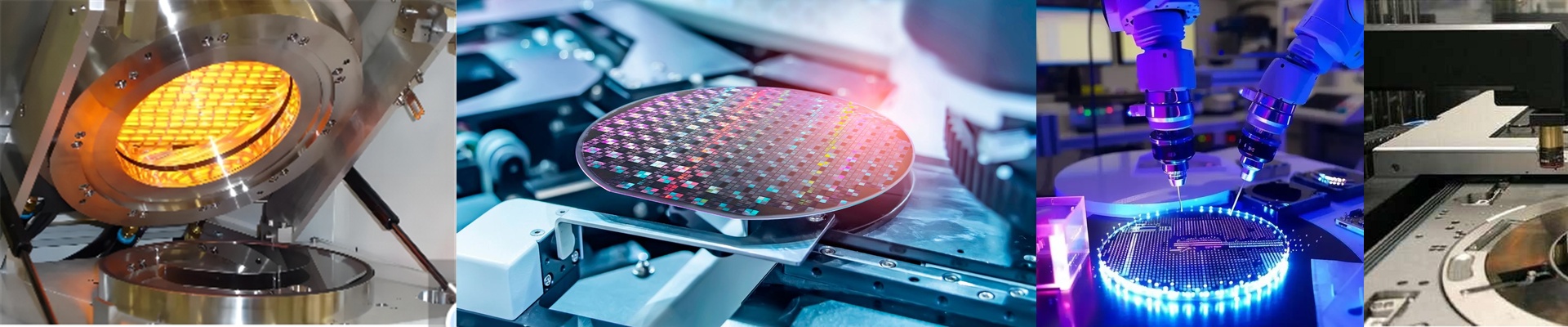
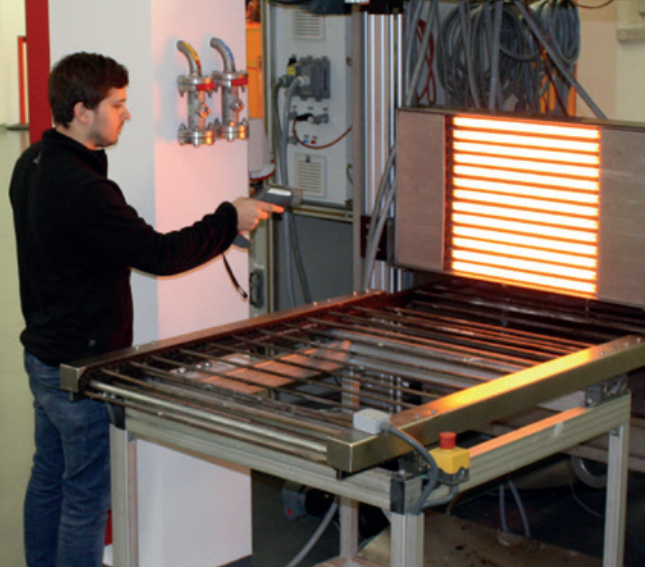
If you’ve ever worked in a semiconductor clean room, you know the feeling. An infrared lamp bursts, and suddenly you’ve got glass shards and tungsten filaments raining down on a wafer lot. It’s an absolute disaster. Instant contamination. Instant scrap. We’ve all been there, which is why we build our trolley heaters to handle the chaos of high-load production without letting that happen. Dealing with the “Pop” Here’s the thing: we don’t just hope the lamps hold up. That’s a gamble you can’t afford. Instead, we tuck the infrared elements inside a reinforced cage or a high-purity quartz sleeve. If a lamp cracks from thermal shock or just hits its limit and burns out, the sleeve catches everything. The debris stays put. It doesn’t wander into your transport path, and your wafers stay clean. It turns a potential catastrophe into a contained, boring little failure. The Science of Not Snapping We use a specific grade of quartz glass that doesn’t freak out when temperatures change quickly. It has a low coefficient of thermal expansion, which is a fancy way of saying it won’t snap when you ramp up the heat or let things cool down fast. We also spend a lot of time on the centering. If the heating element is slightly off, you get “hot spots” on the tube wall. That weakens the glass. By balancing the wattage density, we keep the glass in a safe zone where it can actually do its job without wearing out. Keeping Things Simple When a lamp finally does die, you don’t want to spend half your shift fixing it. We use standardized connectors so you can just pull the dead one out and pop a new one in. No fussing with the trolley’s alignment. It’s quick. One heads-up, though: high-wattage lamps put out a ton of radiant heat. If that heat soaks into the trolley frame, your rails can warp. Once that happens, your wafer positioning is shot. Make sure your cooling fans or heat sinks are up to the task. We’ll give you all the thermal output data you need so you can pick the right cooling setup for your specific rig.