Getting Temperature Right in IR Semi Systems
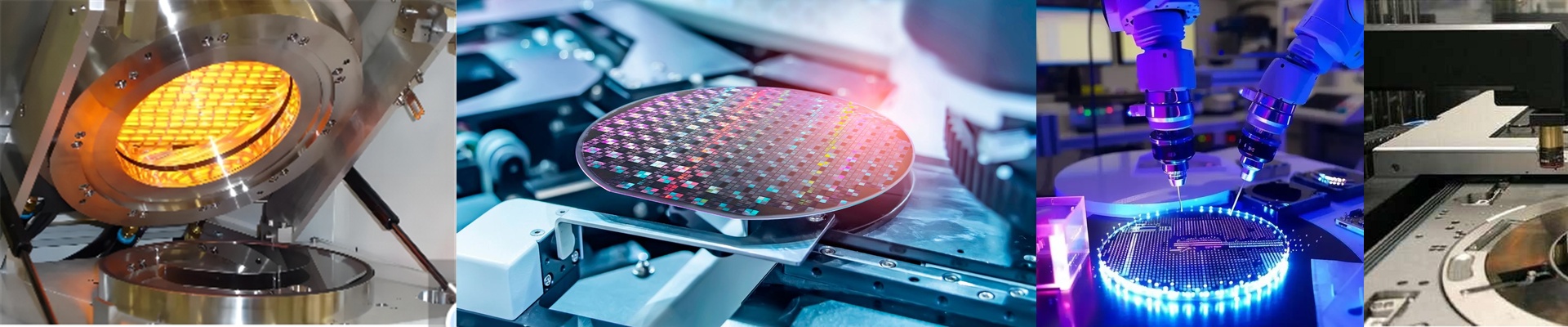
If we actually want to lower the carbon footprint in semiconductor fab, we have to stop wasting energy. That’s why we’ve moved toward infrared (IR) heating lamps instead of those old-school resistive ovens. The logic is simple: IR puts the heat directly into the wafer. But here’s the catch. The whole “green” benefit disappears if your control loop is sloppy. That’s where your thermocouple earns its keep.
Why speed is everything
In these heaters, a basic temperature reading isn’t enough. We need a live, breathing stream of data to stop the system from overshooting. Think about it: if your thermocouple is sluggish, those IR lamps just keep blasting heat even after you’ve hit your target. You’re burning through kilowatts for no reason, and worse, you’re risking a ruined wafer. To stop that, we stick with high-grade Type K or Type N probes. We use thin-wall sheathing because it cuts down the thermal lag. It just reacts faster.
Dealing with the heat and the “drift”
High-wattage IR lamps are brutal. They create these intense pockets of heat that would melt a standard probe. We use ceramic-insulated junctions to keep the leads from falling apart under the constant bombardment of IR radiation. If that insulation gives out, you get signal drift. And drift is a nightmare. It leads to “hunting,” where your PID controller starts panicking—swinging the power up and down, up and down. It’s an efficiency killer and it puts a ton of unnecessary stress on your power supplies.
The balancing act: Speed vs. Survival
You naturally want the probe as close to the wafer as possible. That gives you the fastest response. But there’s a trade-off. The closer you get, the more the thermocouple takes a beating. A thinner probe is lightning-fast, sure, but it’ll burn out way sooner. You have to find that sweet spot between how often you sample your data and how often you’re okay with replacing parts. One last tip: use a shielded configuration. It blocks the EMI coming off the lamp drivers. It means your energy savings are based on actual, clean data—not just electrical noise playing tricks on your sensors.