Why Your Bathroom Heater Doesn’t Just Shatter
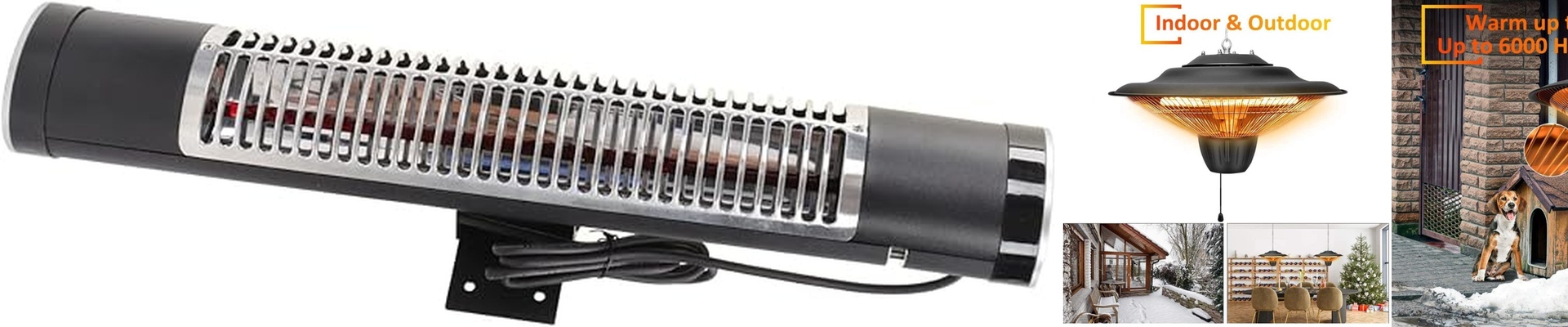
Bathrooms are a nightmare for electronics. You’ve got steam everywhere, wild temperature swings, and electricity—a combination that usually ends badly. When we build towel rails, we use infrared quartz lamps because they give you that instant, cozy heat without having to wait for the whole room to warm up. But here’s the real worry: what happens when a tiny drop of cold water hits a tube that’s glowing at 600°C? Normally, that’s a recipe for a disaster. The glass shrinks too fast in one spot and—pop—it shatters. To stop that from happening, we don’t just use any glass. We use high-purity fused silica or add a reinforced outer sleeve. It’s basically a safety blanket for the heater. It means if you splash some water on it while you’re stepping out of the shower, the unit stays intact instead of causing an electrical short. Inside the tube, there’s a tungsten filament doing all the heavy lifting. The quartz keeps it from burning out while letting the heat beam straight through to your towel. We spend a lot of time tweaking the wattage here. You want your towel bone-dry and warm, but you don’t want it smelling like burnt fabric. We aim for a high power density so it heats up fast, but we make sure the outer housing is built to handle that heat so you don’t accidentally burn your skin. When it comes to the actual build, we keep it simple. We use standard connectors so that if a filament eventually gives out, you can just swap it for a new one without tearing the whole bathroom apart. Now, there is a small trade-off. That protective “explosion-proof” sleeve blocks a tiny bit of the heat. You lose a sliver of efficiency, but honestly? That’s a price I’m happy to pay for the peace of mind knowing the thing won’t explode. And of course, we make sure the grounding is rock solid. In a room full of humidity, that’s the only way to keep things truly safe.