Why We Obsess Over Insulation Testing for UHP Heater Lamps
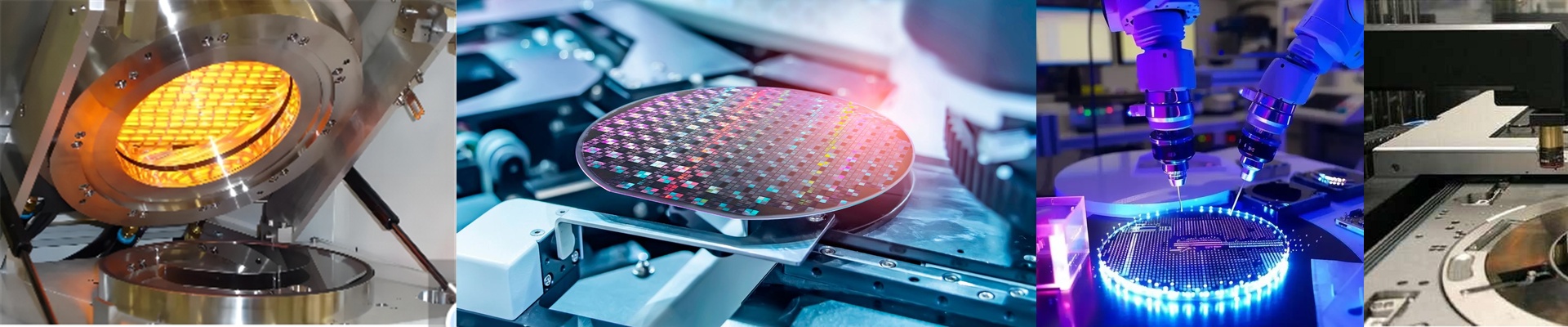
When you’re dealing with Ultra High Purity (UHP) heater lamps, you’re working with extreme heat and zero room for error. If you’re plugging these into semiconductor or pharma gear, the stakes are high. One tiny electrical leak? That’s it. You’ve just scrapped a whole batch of wafers or ruined a sterile room. It’s a nightmare nobody wants.
We test every single one. No exceptions.
Some shops do “sample checks.” They test one out of every ten lamps and hope for the best. We don’t do that. Every single tube that leaves our floor goes through a full voltage withstand and insulation resistance test. We hit the insulation barriers and the quartz envelope with a high-voltage stress test to hunt for micro-cracks or impurities in the glass. If there’s a pinhole leak or a bit of junk in the seal, the lamp will arc. We’d much rather find that out here in our shop than have you find it out inside your machine.
The trade-off you should know about
Here’s the thing: getting that kind of high insulation resistance takes a specific kind of quartz and some very precise sealing. It makes the lamps incredibly safe electrically, but it also makes them a bit more sensitive to physical knocks. They aren’t indestructible. When you’re installing them, just be gentle. Avoid hitting the end-caps, keep the seals intact, and you’ll be golden.
Sleep better at night
At the end of the day, strict quality control is about avoiding the “surprise” ground fault that kills your productivity and puts your equipment offline. When we tell you every lamp is tested, we’re taking the gamble out of your power distribution. You can wire these into your controllers and trust that the insulation will hold up, even when things get blistering hot. It keeps your gear safe and your output steady. Simple as that.